THE ADVENTURE COLLECTIVE® · Independent discovery and booking for outdoor travel

Ride a restored World War II Jeep from village bocage to the wind-swept sands of Utah Beach. In two hours a local guide stitches together battlefield facts, personal stories, and landscape details for a compact but vivid Normandy history immersion.
Ride a restored World War II Jeep from village bocage to the wind-swept sands of Utah Beach. In two hours a local guide stitches together battlefield facts, personal stories, and landscape details for a compact but vivid Normandy history immersion.
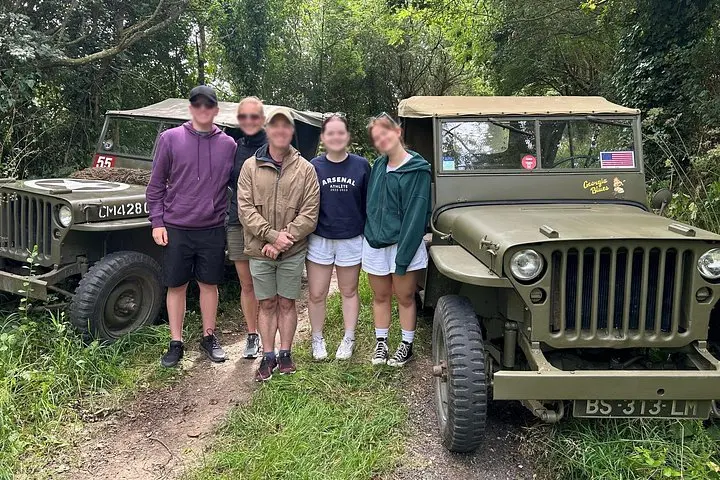
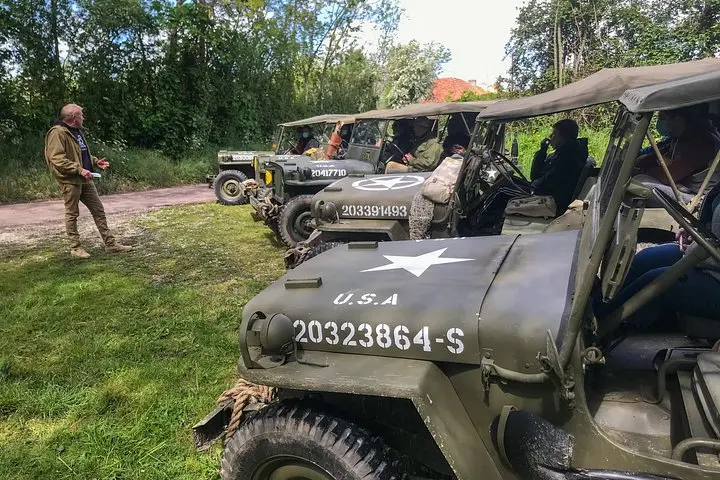
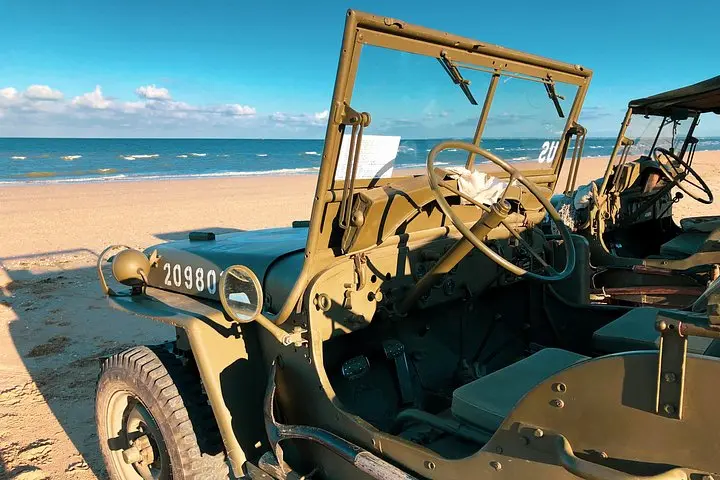
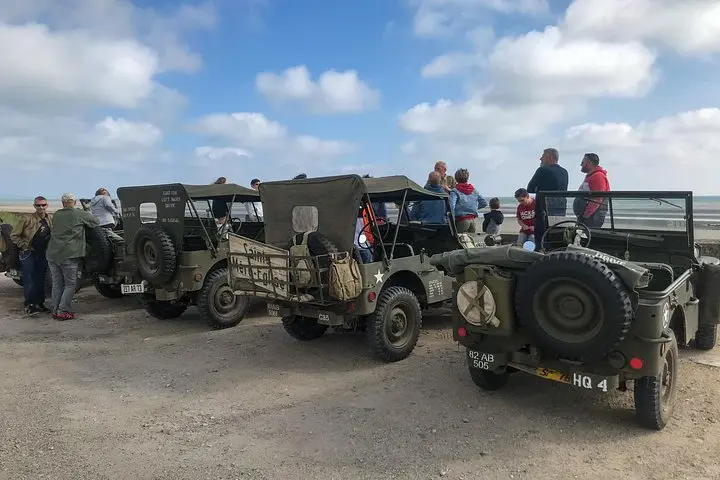
A restored Willys crunches along bocage lanes, hedge rows closing in as the guide points to a ruined farmhouse where paratroopers once regrouped. The salt air from Utah Beach drifts inland; in two hours you move from quiet village squares to the flat, wind-scoured shoreline that still holds concrete pieces of the Atlantic Wall.
Verified experiences and guided adventures in the surrounding area.
Operated by Normandy Discovery Tours · Sainte-Mère-Église, Normandy
A restored Willys crunches along bocage lanes, hedge rows closing in as the guide points to a ruined farmhouse where paratroopers once regrouped. The salt air from Utah Beach drifts inland; in two hours you move from quiet village squares to the flat, wind-scoured shoreline that still holds concrete pieces of the Atlantic Wall.
This short, private tour threads history through landscape. Normandy’s geology — chalky cliffs, tidal flats and ribbon-like rivers — shaped both the 1944 approaches and the villages that predate the war by centuries. Sainte-Mère-Église, famed for the paratrooper John Steele, and the crash site at Beuzeville-au-Plain are stops that pair human stories with the terrain: bocage hedgerows that funneled troop movement and wide beaches that invited armored landings.
Local guides are often Normandy-born and blend oral history with documented events, delivering anecdotes about small villages, family farms, and the cost of liberation. Cultural notes: many sites are active memorials where silence is observed; museums in nearby towns offer deeper context.
Practical guidance: the ride is comfortable but bumpy — wear sturdy shoes and weatherproof layers; the jeep allows off-road access but stays on permitted routes. Bring photo ID, a charged camera, and water. Tours run in most weather; check cancellation terms and book ahead in summer. This experience is ideal for history-minded travelers who want an up-close, mobile view of D-Day landscapes without long walks.
The tour lasts about two hours and typically visits Sainte-Mère-Église, Beuzeville-au-Plain crash site, the airborne sector trees, and Utah Beach with Atlantic Wall remains.
Yes — vehicles are restored World War II Jeeps fitted for safety and comfort while retaining historic appearance; rides can be bumpy on country lanes.
Yes; infants must sit on laps per operator policy. The tour is family-friendly but includes visits to solemn memorials where supervision is expected.
Full refunds are available if you cancel at least 24 hours before departure; no refund within 24 hours of the tour start.
Normandy Discovery Tours operates guided outdoor trips and adventures with an emphasis on safety, stewardship, and memorable experiences.
A restored Willys crunches along bocage lanes, hedge rows closing in as the guide points to a ruined farmhouse where paratroopers once regrouped. The salt air from Utah Beach drifts inland; in two hours you move from quiet village squares to the flat, wind-scoured shoreline that still holds concrete pieces of the Atlantic Wall.
A restored Willys crunches along bocage lanes, hedge rows closing in as the guide points to a ruined farmhouse where paratroopers once regrouped. The salt air from Utah Beach drifts inland; in two hours you move from quiet village squares to the flat, wind-scoured shoreline that still holds concrete pieces of the Atlantic Wall.
This short, private tour threads history through landscape. Normandy’s geology — chalky cliffs, tidal flats and ribbon-like rivers — shaped both the 1944 approaches and the villages that predate the war by centuries. Sainte-Mère-Église, famed for the paratrooper John Steele, and the crash site at Beuzeville-au-Plain are stops that pair human stories with the terrain: bocage hedgerows that funneled troop movement and wide beaches that invited armored landings.
Local guides are often Normandy-born and blend oral history with documented events, delivering anecdotes about small villages, family farms, and the cost of liberation. Cultural notes: many sites are active memorials where silence is observed; museums in nearby towns offer deeper context.
Practical guidance: the ride is comfortable but bumpy — wear sturdy shoes and weatherproof layers; the jeep allows off-road access but stays on permitted routes. Bring photo ID, a charged camera, and water. Tours run in most weather; check cancellation terms and book ahead in summer. This experience is ideal for history-minded travelers who want an up-close, mobile view of D-Day landscapes without long walks.