THE ADVENTURE COLLECTIVE® · Independent discovery and booking for outdoor travel

Trace Prague’s toughest chapters on this four-hour walking tour: from the site of the city’s giant Stalin statue to the church catacombs where Operation Anthropoid’s gun battle still shows its scars. History is literal and close—bring sturdy shoes and curiosity.
Trace Prague’s toughest chapters on this four-hour walking tour: from the site of the city’s giant Stalin statue to the church catacombs where Operation Anthropoid’s gun battle still shows its scars. History is literal and close—bring sturdy shoes and curiosity.
The tram rattles away from Palladium and the city opens like a map—cobblestones, low-slung riverfronts, and the clipped greenery of parks where history still leaves its marks. You step into a Prague that remembers loudly: lunch in a tiled tavern, a beer garden with stories of a young Martina Navrátilová, then the hollowed site where a colossal Stalin statue once stood.
Verified experiences and guided adventures in the surrounding area.
Operated by Bohemian Alternative Tours · Prague, Prague
The tram rattles away from Palladium and the city opens like a map—cobblestones, low-slung riverfronts, and the clipped greenery of parks where history still leaves its marks. You step into a Prague that remembers loudly: lunch in a tiled tavern, a beer garden with stories of a young Martina Navrátilová, then the hollowed site where a colossal Stalin statue once stood.
The tour threads together political history and local memory. Expect grounded history: the rise and fall of totalitarian regimes, the life of a Czechoslovak lawyer-activist persecuted by Nazis and later by Communists, and the 1942 Operation Anthropoid—Reinhard Heydrich’s assassination and the desperate gun battle that followed in the crypts of Saints Cyril and Methodius. The Vltava riverbank offers a quiet counterpoint; Naplavka’s promenade speaks to Prague’s living culture rather than its wounds.
Geology and city form matter here—Prague’s river corridor and modest hills shaped where fortifications and monuments were placed, and tramlines make the city walkable yet varied in grade and surface. Guides point out bullet marks in catacombs, stories of sculptors conscripted to build propaganda, and the neighborhood scenes where locals still meet for beer.
Practicalities: the tour lasts about four hours, includes a 24-hour public transport ticket and lunch, and covers several short tram rides and cobbled walks. Bring comfortable shoes, a photo-ready respect for memorial sites, and an ID if you plan to sample local beer. Timing your visit for morning light makes the catacombs’ textures and riverside views more immediate.
The group meets at Palladium (Náměstí Republiky) and finishes on Naplavka waterfront by the Vltava River.
Yes—a 24-hour ticket for Prague tram, metro and bus is included in the tour price.
The tour is rated easy but includes cobblestones, stairs and short tram rides; those with limited mobility should check with the operator in advance.
Lunch and at least one drink are included; alcoholic options are available for over-18s and dietary needs can be accommodated if stated at booking.
Bohemian Alternative Tours operates guided outdoor trips and adventures with an emphasis on safety, stewardship, and memorable experiences.


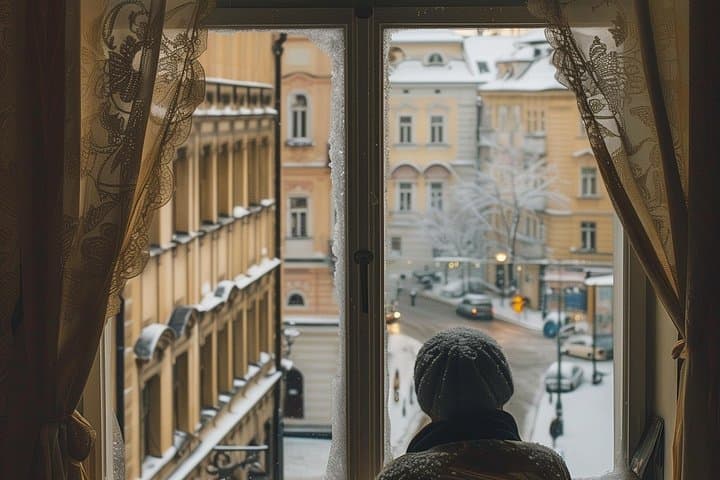

The tram rattles away from Palladium and the city opens like a map—cobblestones, low-slung riverfronts, and the clipped greenery of parks where history still leaves its marks. You step into a Prague that remembers loudly: lunch in a tiled tavern, a beer garden with stories of a young Martina Navrátilová, then the hollowed site where a colossal Stalin statue once stood.
The tram rattles away from Palladium and the city opens like a map—cobblestones, low-slung riverfronts, and the clipped greenery of parks where history still leaves its marks. You step into a Prague that remembers loudly: lunch in a tiled tavern, a beer garden with stories of a young Martina Navrátilová, then the hollowed site where a colossal Stalin statue once stood.
The tour threads together political history and local memory. Expect grounded history: the rise and fall of totalitarian regimes, the life of a Czechoslovak lawyer-activist persecuted by Nazis and later by Communists, and the 1942 Operation Anthropoid—Reinhard Heydrich’s assassination and the desperate gun battle that followed in the crypts of Saints Cyril and Methodius. The Vltava riverbank offers a quiet counterpoint; Naplavka’s promenade speaks to Prague’s living culture rather than its wounds.
Geology and city form matter here—Prague’s river corridor and modest hills shaped where fortifications and monuments were placed, and tramlines make the city walkable yet varied in grade and surface. Guides point out bullet marks in catacombs, stories of sculptors conscripted to build propaganda, and the neighborhood scenes where locals still meet for beer.
Practicalities: the tour lasts about four hours, includes a 24-hour public transport ticket and lunch, and covers several short tram rides and cobbled walks. Bring comfortable shoes, a photo-ready respect for memorial sites, and an ID if you plan to sample local beer. Timing your visit for morning light makes the catacombs’ textures and riverside views more immediate.