THE ADVENTURE COLLECTIVE® · Independent discovery and booking for outdoor travel

Beat the tour buses with an early-start private drive from Xi'an to the Terracotta Army, then walk into Tang-era romance at Huaqing Palace. This practical day trip combines archaeological spectacle with imperial gardens and hot springs.
Beat the tour buses with an early-start private drive from Xi'an to the Terracotta Army, then walk into Tang-era romance at Huaqing Palace. This practical day trip combines archaeological spectacle with imperial gardens and hot springs.
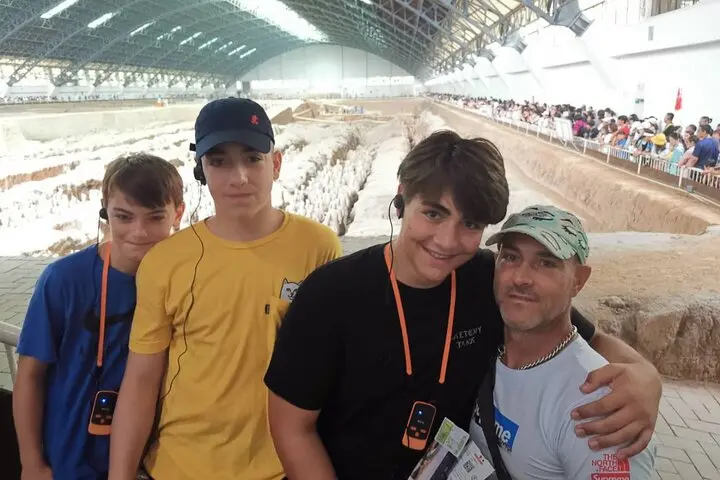
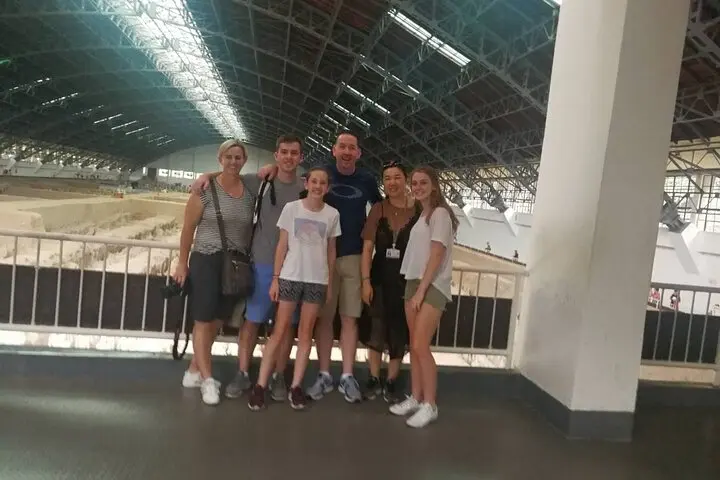
The van eases out of Xi'an before sunrise and the road climbs toward the eastern shoulder of Mount Li. Morning light slants across a field where rows of earthen soldiers keep watch—their painted faces long faded but their ranks still imposing. You'll spend the first half of the day inside the purpose-built museum, moving through the three pits where excavation and conservation happen in full view.
Verified experiences and guided adventures in the surrounding area.
Operated by Stefanie's XiAn Private Tour · Xi'an, Shaanxi
The van eases out of Xi'an before sunrise and the road climbs toward the eastern shoulder of Mount Li. Morning light slants across a field where rows of earthen soldiers keep watch—their painted faces long faded but their ranks still imposing. You'll spend the first half of the day inside the purpose-built museum, moving through the three pits where excavation and conservation happen in full view.
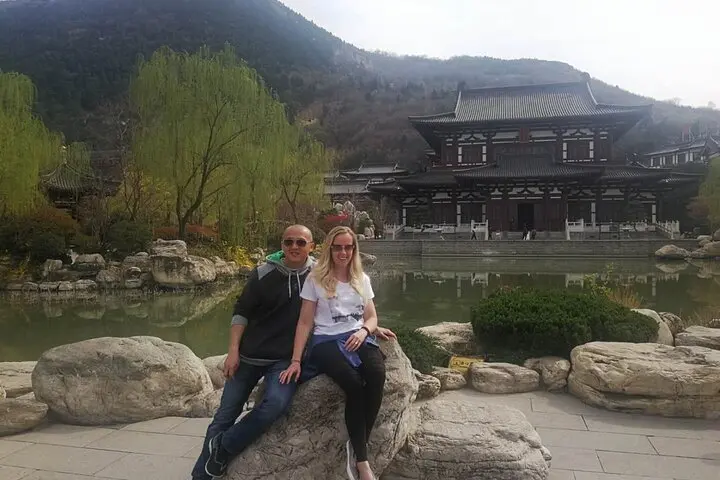
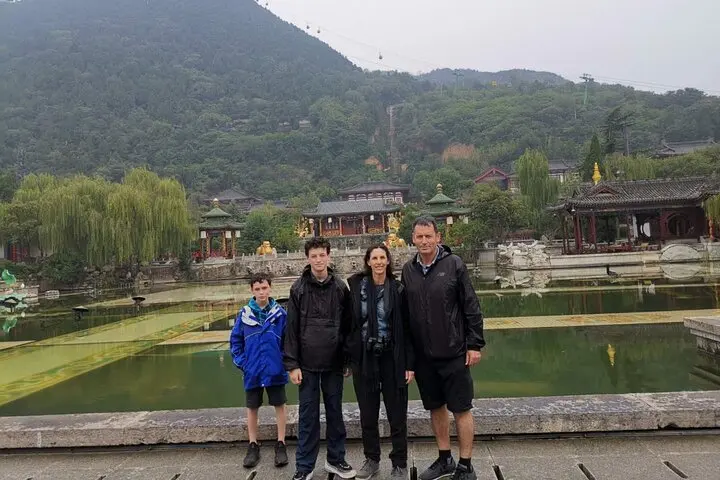
This landscape is as much geology as history: the loess-strewn slopes of the Qin heartland preserved burial crafts for two millennia. The Terracotta Army was commissioned by Qin Shi Huang to guard the afterlife; walking between partially restored chariots and infantry gives a sense of scale and social order in early imperial China. In the afternoon the route drops into the Huaqing Palace complex at the mountain’s base—Tang-era pavilions, thermal pools and gardens where imperial ritual and romance converge in stories of Emperor Xuanzong and Yang Yuhuan.
Expect museum-style pathways, some uneven stone and stairs at both sites. A local guide (often an art historian) will frame artifacts and legends while a private driver handles logistics and timing. Practical matters: arrive early to avoid coach crowds, wear sturdy shoes for mixed surfaces, and carry a reusable bottle—the site provides water but lines form for amenities. The tour is wheelchair accessible in main areas but historic terraces include steps. With layered clothing for mountain breezes and a camera ready, the day balances archaeology, imperial culture and quiet moments beside steaming springs.
Tickets are not included by default on many bookings—confirm with the operator; most private tours will arrange or advise on ticketing during booking.
Main museum areas and viewing platforms are wheelchair accessible, but some excavation terraces and historic garden slopes have stairs—check specifics with your provider if mobility is a concern.
Expect several hours of walking and standing across museum galleries and palace grounds, including stairs—comfortable shoes and regular breaks are recommended.
Public access to historic pools is typically interpretive; modern bathing facilities, if offered, are separate—ask your guide about current access rules.
Stefanie's XiAn Private Tour operates guided outdoor trips and adventures with an emphasis on safety, stewardship, and memorable experiences.
The van eases out of Xi'an before sunrise and the road climbs toward the eastern shoulder of Mount Li. Morning light slants across a field where rows of earthen soldiers keep watch—their painted faces long faded but their ranks still imposing. You'll spend the first half of the day inside the purpose-built museum, moving through the three pits where excavation and conservation happen in full view.
The van eases out of Xi'an before sunrise and the road climbs toward the eastern shoulder of Mount Li. Morning light slants across a field where rows of earthen soldiers keep watch—their painted faces long faded but their ranks still imposing. You'll spend the first half of the day inside the purpose-built museum, moving through the three pits where excavation and conservation happen in full view.
This landscape is as much geology as history: the loess-strewn slopes of the Qin heartland preserved burial crafts for two millennia. The Terracotta Army was commissioned by Qin Shi Huang to guard the afterlife; walking between partially restored chariots and infantry gives a sense of scale and social order in early imperial China. In the afternoon the route drops into the Huaqing Palace complex at the mountain’s base—Tang-era pavilions, thermal pools and gardens where imperial ritual and romance converge in stories of Emperor Xuanzong and Yang Yuhuan.
Expect museum-style pathways, some uneven stone and stairs at both sites. A local guide (often an art historian) will frame artifacts and legends while a private driver handles logistics and timing. Practical matters: arrive early to avoid coach crowds, wear sturdy shoes for mixed surfaces, and carry a reusable bottle—the site provides water but lines form for amenities. The tour is wheelchair accessible in main areas but historic terraces include steps. With layered clothing for mountain breezes and a camera ready, the day balances archaeology, imperial culture and quiet moments beside steaming springs.