THE ADVENTURE COLLECTIVE® · Independent discovery and booking for outdoor travel

Fly from Shanghai to Xi’an for a focused, private day that places you in front of the Terracotta Warriors, tours the Big Wild Goose Pagoda and City Wall, and samples the Muslim Quarter. This fast-paced option packs the region’s highlights into an 11–13 hour cultural sprint.
Fly from Shanghai to Xi’an for a focused, private day that places you in front of the Terracotta Warriors, tours the Big Wild Goose Pagoda and City Wall, and samples the Muslim Quarter. This fast-paced option packs the region’s highlights into an 11–13 hour cultural sprint.
You step off the plane into the low, dry air of the Guanzhong plain and the day snaps into focus: line after line of life-sized warriors frozen in mid-formation, their faces turned toward you as if waiting for orders. The Terracotta Army dominates the morning—three large pits of figures and horses that reveal the military planning and funerary craft of Qin Shi Huang, China’s first emperor.
Verified experiences and guided adventures in the surrounding area.
Operated by Terracotta Warriors Tour · Xi'an, Shaanxi
You step off the plane into the low, dry air of the Guanzhong plain and the day snaps into focus: line after line of life-sized warriors frozen in mid-formation, their faces turned toward you as if waiting for orders. The Terracotta Army dominates the morning—three large pits of figures and horses that reveal the military planning and funerary craft of Qin Shi Huang, China’s first emperor.
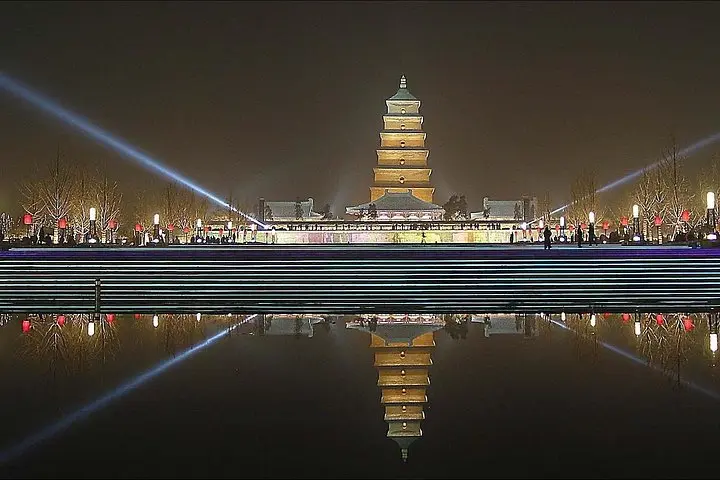
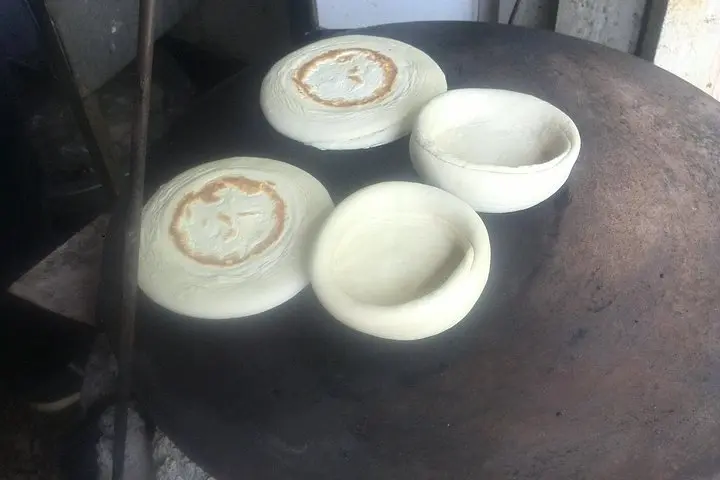
The route moves from Qin-era burial art to Tang and later layers of Xi’an’s past: the Big Wild Goose Pagoda, rebuilt after earthquakes as a center of Buddhist learning; the raised loop of the Ming-era City Wall stretching roughly 13.7 km around the old town; and the scent and bustle of the Muslim Quarter, where Hui food culture and merchant traditions remain daily practice.
Geologically the region sits on the loess plateau fed by the Yellow River’s long sediment, a landscape that shaped early agriculture and the city’s strategic importance. Culturally, Xi’an was the eastern terminus of the Silk Road—a crossroads you feel in the food, calligraphy, and mosque courtyards.
Practicalities: this private one-day flight option runs about 11–13 hours door-to-door with airport transfers, a licensed English guide, and lunch included. Expect 2–4 km of walking across uneven surfaces and some stairs at the sites; bring sturdy shoes, layers for changing temperatures, a fully charged phone, and passport documentation (photos required at booking). The pace is brisk—plan for an early departure, modest clothing for religious sites, and cash or cards for souvenirs and snacks.
Yes — round-trip airfare from Shanghai to Xi’an and round-trip Xi’an airport pick up and drop off are included in the tour price.
Plan for roughly 2–4 km of walking across uneven ground and stairs while visiting the Terracotta pits, pagoda area, and sections of the City Wall; the pace is brisk to fit all sites into the day.
Infants and small children can use strollers, but note that infants must sit on an adult’s lap during flights and some areas have stairs where strollers aren’t practical.
This tour is sold as all sales final with no refunds for cancellations, so confirm travel details before booking.
Terracotta Warriors Tour operates guided outdoor trips and adventures with an emphasis on safety, stewardship, and memorable experiences.
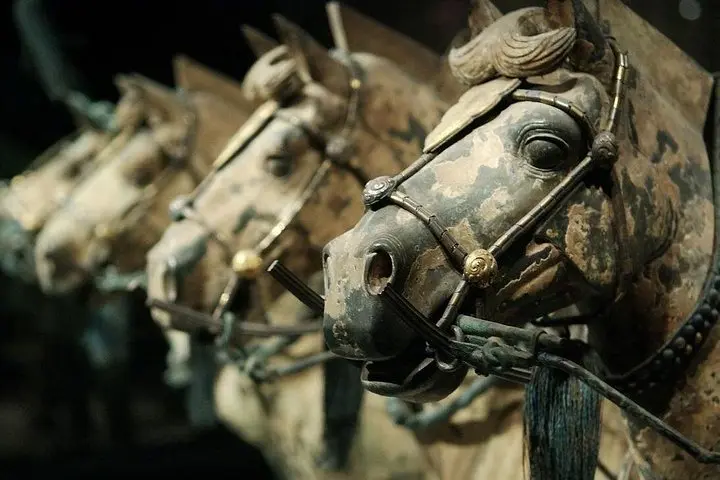

You step off the plane into the low, dry air of the Guanzhong plain and the day snaps into focus: line after line of life-sized warriors frozen in mid-formation, their faces turned toward you as if waiting for orders. The Terracotta Army dominates the morning—three large pits of figures and horses that reveal the military planning and funerary craft of Qin Shi Huang, China’s first emperor.
You step off the plane into the low, dry air of the Guanzhong plain and the day snaps into focus: line after line of life-sized warriors frozen in mid-formation, their faces turned toward you as if waiting for orders. The Terracotta Army dominates the morning—three large pits of figures and horses that reveal the military planning and funerary craft of Qin Shi Huang, China’s first emperor.
The route moves from Qin-era burial art to Tang and later layers of Xi’an’s past: the Big Wild Goose Pagoda, rebuilt after earthquakes as a center of Buddhist learning; the raised loop of the Ming-era City Wall stretching roughly 13.7 km around the old town; and the scent and bustle of the Muslim Quarter, where Hui food culture and merchant traditions remain daily practice.
Geologically the region sits on the loess plateau fed by the Yellow River’s long sediment, a landscape that shaped early agriculture and the city’s strategic importance. Culturally, Xi’an was the eastern terminus of the Silk Road—a crossroads you feel in the food, calligraphy, and mosque courtyards.
Practicalities: this private one-day flight option runs about 11–13 hours door-to-door with airport transfers, a licensed English guide, and lunch included. Expect 2–4 km of walking across uneven surfaces and some stairs at the sites; bring sturdy shoes, layers for changing temperatures, a fully charged phone, and passport documentation (photos required at booking). The pace is brisk—plan for an early departure, modest clothing for religious sites, and cash or cards for souvenirs and snacks.