THE ADVENTURE COLLECTIVE® · Independent discovery and booking for outdoor travel

Spend a full day outside Xi'an exploring two of Shaanxi’s most revealing archaeological sites: the Terracotta Warriors’ grand pits and the quieter Hanyangling Museum. This private tour pairs close-up interpretation with door-to-door transport for a focused cultural day trip.
Spend a full day outside Xi'an exploring two of Shaanxi’s most revealing archaeological sites: the Terracotta Warriors’ grand pits and the quieter Hanyangling Museum. This private tour pairs close-up interpretation with door-to-door transport for a focused cultural day trip.
You step out before sunrise on a quiet Xi'an morning, the city shrinking behind you as the road pushes toward Lintong's low, loess-streaked hills.
Verified experiences and guided adventures in the surrounding area.
Operated by Stefanie's XiAn Private Tour · Xi'an, Shaanxi
You step out before sunrise on a quiet Xi'an morning, the city shrinking behind you as the road pushes toward Lintong's low, loess-streaked hills.
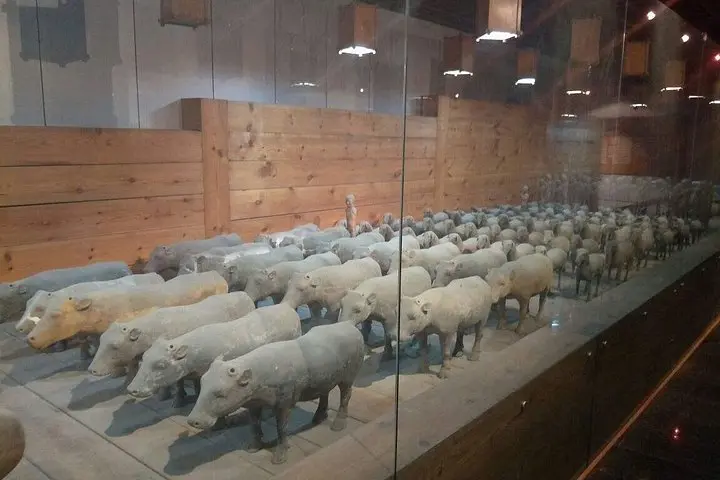
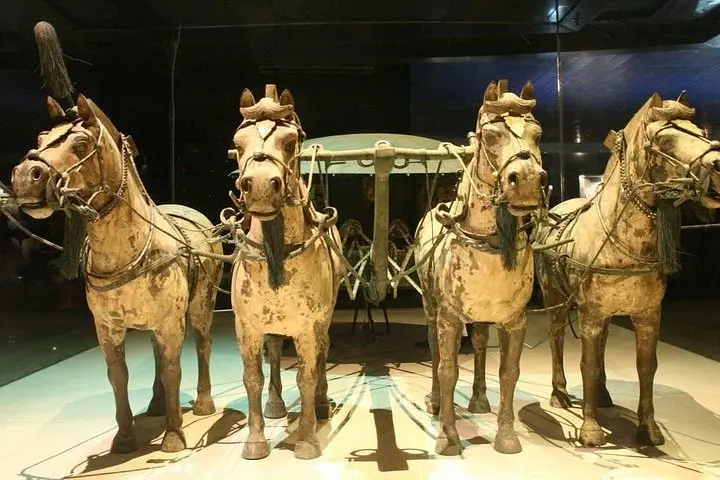
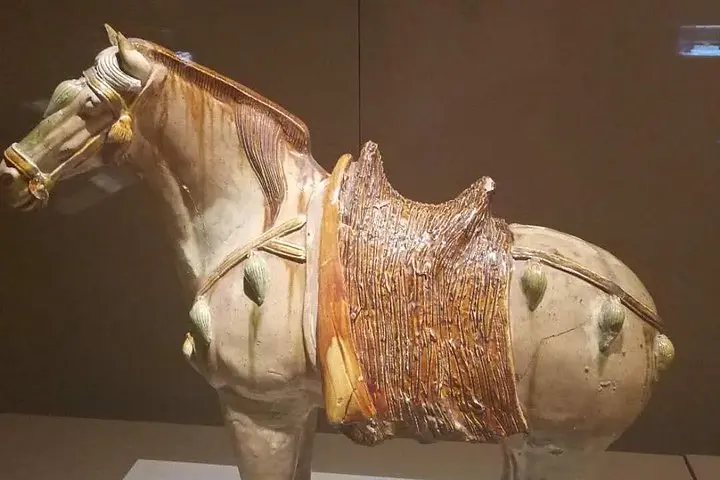
By midmorning the Terracotta Warriors fill your vision: ranks of life-sized figures frozen in motion, their clay faces turned toward a long-ago frontier. The air here carries the cool dust of excavation and the low murmur of guides translating imperial ambition into human detail. Later, a short drive brings you to a family still living in a traditional cave dwelling—stone ceilings that hold summer cool and winter warmth—before the day closes at Hanyangling, an underground Han dynasty mausoleum where smaller clay figures reflect everyday life rather than military might.
These sites map two different chapters in Chinese statecraft: Qin Shi Huang’s militarized unification and the Han dynasty’s stabilization and domestic culture. Geologically, the loess plateau around Xi'an preserved these tombs, creating dry conditions that protected fragile artifacts until modern digs began in the 20th century.
Practical guidance: expect an 8‑hour day with several hundred meters of walking across uneven floors and museum ramps. Carry a refillable water bottle, wear comfortable closed-toe shoes with good tread, and plan for sunscreen or a light rain shell depending on season. Photography rules vary—your guide will point out restricted areas—and museum security enforces distance from displays.
This private itinerary compresses time and logistics so you can focus on the scenes, stories, and small details that make these two mausoleums far more than stone and clay.
Admission fees are typically not included—confirm with your booking and your guide will advise on ticket arrangements.
Wheelchair access is available for many areas, but some historic paths and outdoor pit edges have limited accessibility; notify the operator in advance.
Lunch is usually at a local restaurant at your own expense; guides can recommend dishes and accommodate dietary needs if advised ahead of time.
Travel time between Xi'an and the Terracotta Warriors is roughly 45–60 minutes one way; Hanyangling sits closer to the city and is reached within 30–45 minutes depending on traffic.
Stefanie's XiAn Private Tour operates guided outdoor trips and adventures with an emphasis on safety, stewardship, and memorable experiences.
You step out before sunrise on a quiet Xi'an morning, the city shrinking behind you as the road pushes toward Lintong's low, loess-streaked hills.
You step out before sunrise on a quiet Xi'an morning, the city shrinking behind you as the road pushes toward Lintong's low, loess-streaked hills.
By midmorning the Terracotta Warriors fill your vision: ranks of life-sized figures frozen in motion, their clay faces turned toward a long-ago frontier. The air here carries the cool dust of excavation and the low murmur of guides translating imperial ambition into human detail. Later, a short drive brings you to a family still living in a traditional cave dwelling—stone ceilings that hold summer cool and winter warmth—before the day closes at Hanyangling, an underground Han dynasty mausoleum where smaller clay figures reflect everyday life rather than military might.
These sites map two different chapters in Chinese statecraft: Qin Shi Huang’s militarized unification and the Han dynasty’s stabilization and domestic culture. Geologically, the loess plateau around Xi'an preserved these tombs, creating dry conditions that protected fragile artifacts until modern digs began in the 20th century.
Practical guidance: expect an 8‑hour day with several hundred meters of walking across uneven floors and museum ramps. Carry a refillable water bottle, wear comfortable closed-toe shoes with good tread, and plan for sunscreen or a light rain shell depending on season. Photography rules vary—your guide will point out restricted areas—and museum security enforces distance from displays.
This private itinerary compresses time and logistics so you can focus on the scenes, stories, and small details that make these two mausoleums far more than stone and clay.