THE ADVENTURE COLLECTIVE® · Independent discovery and booking for outdoor travel

Explore the archaeological heart of Shaanxi with an English-speaking guide who connects artifacts to the region's dynastic history and geological context. This 3–4 hour tour clarifies major finds and offers practical insights into conservation and local archaeology.
Explore the archaeological heart of Shaanxi with an English-speaking guide who connects artifacts to the region's dynastic history and geological context. This 3–4 hour tour clarifies major finds and offers practical insights into conservation and local archaeology.
You step from Xi'an's humid streets into a cool, quiet hall where pottery and bronze whisper of lives long buried. Light falls along stone tools, and the guide's English places each shard on a timeline: bones of settlements, the sudden grandeur of imperial tombs, the hands that crafted silk and bronze.
Verified experiences and guided adventures in the surrounding area.
Operated by Xi'an Food Tour · Xi'an, Shaanxi
You step from Xi'an's humid streets into a cool, quiet hall where pottery and bronze whisper of lives long buried. Light falls along stone tools, and the guide's English places each shard on a timeline: bones of settlements, the sudden grandeur of imperial tombs, the hands that crafted silk and bronze.
The museum traces a century of archaeological discovery in Shaanxi Province — the cradle of several Chinese dynasties and the staging ground for finds like the terracotta figures at nearby Lintong. Geology here is part of the story: loess plains and river terraces preserved organic materials and sealed chambers for millennia, feeding a rich archive of early urban life and funerary practice.
Culturally, exhibits connect regional craft to wider routes: pottery types, burial customs, and inscriptions that point to early Silk Road exchange. Small galleries show conservation work and field photographs, offering a practical glimpse at how artifacts are recovered and stabilized.
Practical guidance: book the 3–4 hour English-speaking tour to get context for objects you might otherwise skim; the museum is best visited in the morning to avoid coach arrivals. Wear comfortable shoes — exhibits are spread across multiple halls with stairs — and allow time for temporary exhibitions and the conservation viewing window. Photography rules vary; check with the guide. The tour often includes bottled water and timed admissions, so arrive 10–15 minutes early with passport details ready. A museum visit here gives you a dense, grounded portrait of Shaanxi’s past — precise, evidential, and surprisingly immediate.
Yes — this product provides an English-speaking guide who explains exhibits, fieldwork, and conservation in accessible terms.
Plan for 3–4 hours to cover the main halls, temporary exhibits, and any conservation viewing areas included on the itinerary.
Admission and listed transportation are included in the tour price; confirm pickup details at booking and bring ID for ticketing.
Parts of the museum have ramps and elevators, but there may be older sections with stairs; notify the operator of accessibility needs when booking.
Xi'an Food Tour operates guided outdoor trips and adventures with an emphasis on safety, stewardship, and memorable experiences.
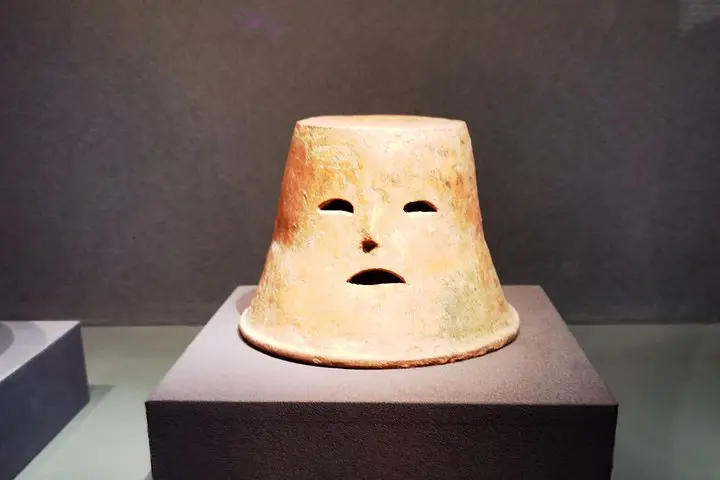
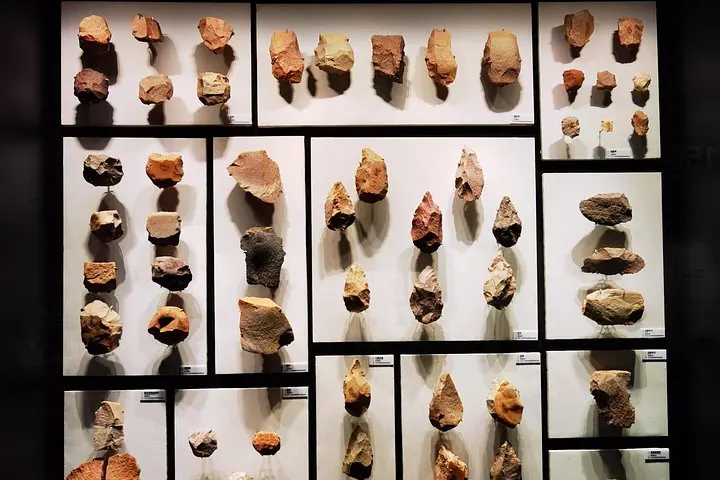
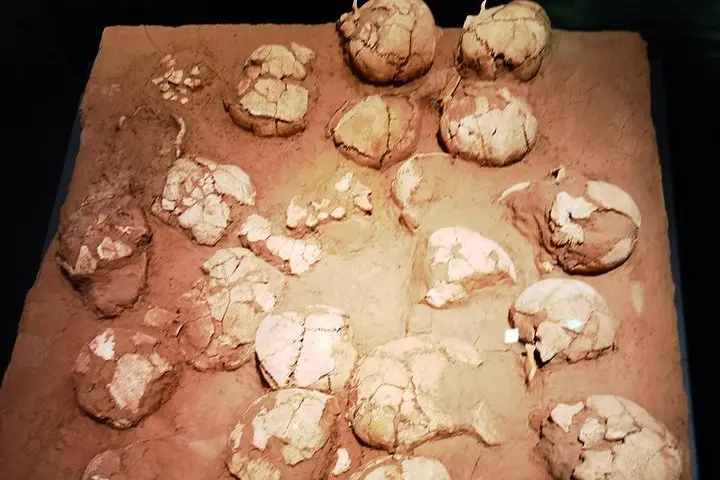
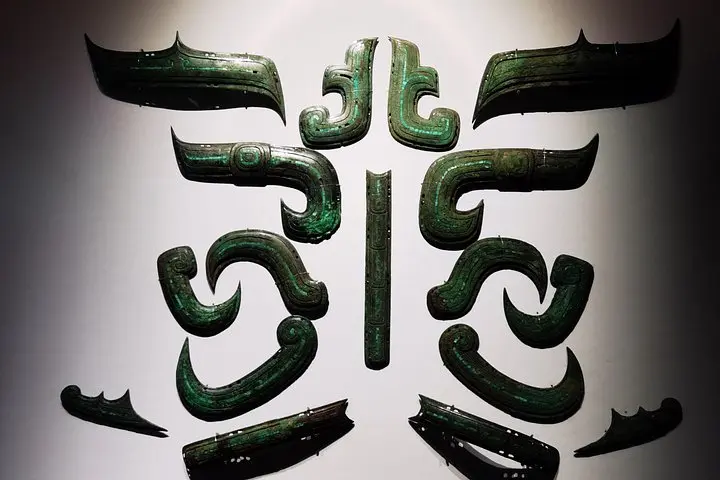
You step from Xi'an's humid streets into a cool, quiet hall where pottery and bronze whisper of lives long buried. Light falls along stone tools, and the guide's English places each shard on a timeline: bones of settlements, the sudden grandeur of imperial tombs, the hands that crafted silk and bronze.
You step from Xi'an's humid streets into a cool, quiet hall where pottery and bronze whisper of lives long buried. Light falls along stone tools, and the guide's English places each shard on a timeline: bones of settlements, the sudden grandeur of imperial tombs, the hands that crafted silk and bronze.
The museum traces a century of archaeological discovery in Shaanxi Province — the cradle of several Chinese dynasties and the staging ground for finds like the terracotta figures at nearby Lintong. Geology here is part of the story: loess plains and river terraces preserved organic materials and sealed chambers for millennia, feeding a rich archive of early urban life and funerary practice.
Culturally, exhibits connect regional craft to wider routes: pottery types, burial customs, and inscriptions that point to early Silk Road exchange. Small galleries show conservation work and field photographs, offering a practical glimpse at how artifacts are recovered and stabilized.
Practical guidance: book the 3–4 hour English-speaking tour to get context for objects you might otherwise skim; the museum is best visited in the morning to avoid coach arrivals. Wear comfortable shoes — exhibits are spread across multiple halls with stairs — and allow time for temporary exhibitions and the conservation viewing window. Photography rules vary; check with the guide. The tour often includes bottled water and timed admissions, so arrive 10–15 minutes early with passport details ready. A museum visit here gives you a dense, grounded portrait of Shaanxi’s past — precise, evidential, and surprisingly immediate.