THE ADVENTURE COLLECTIVE® · Independent discovery and booking for outdoor travel

Combine a heart-racing hike on Mount Huashan’s exposed ridges with a contemplative visit to the Terracotta Warriors on this private two-day tour from Xi’an. Expect steep stone steps, cable-car options, and deep cultural contrasts between mountain temples and imperial tombs.
Combine a heart-racing hike on Mount Huashan’s exposed ridges with a contemplative visit to the Terracotta Warriors on this private two-day tour from Xi’an. Expect steep stone steps, cable-car options, and deep cultural contrasts between mountain temples and imperial tombs.
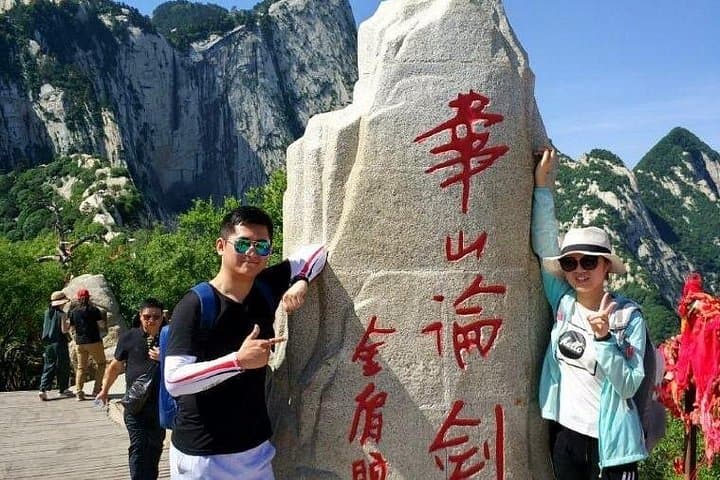
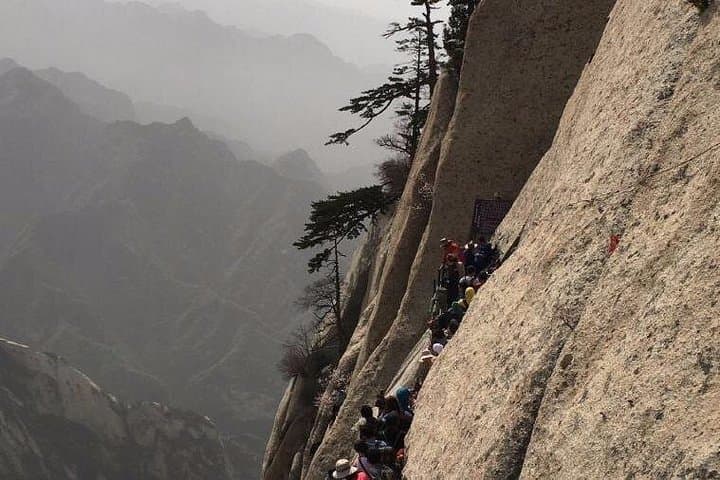
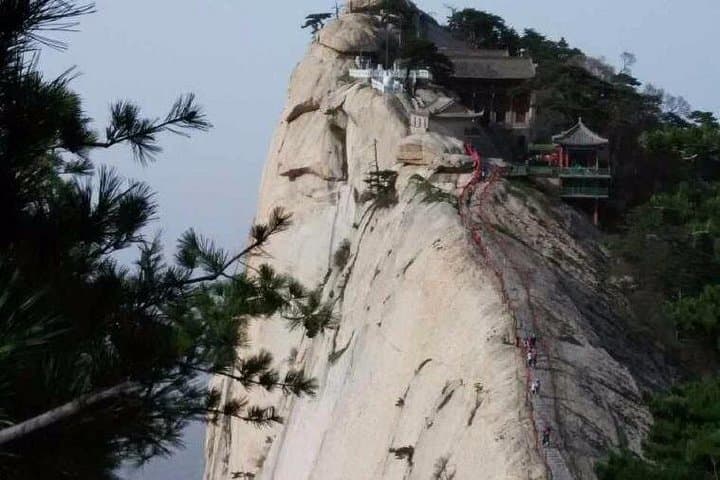
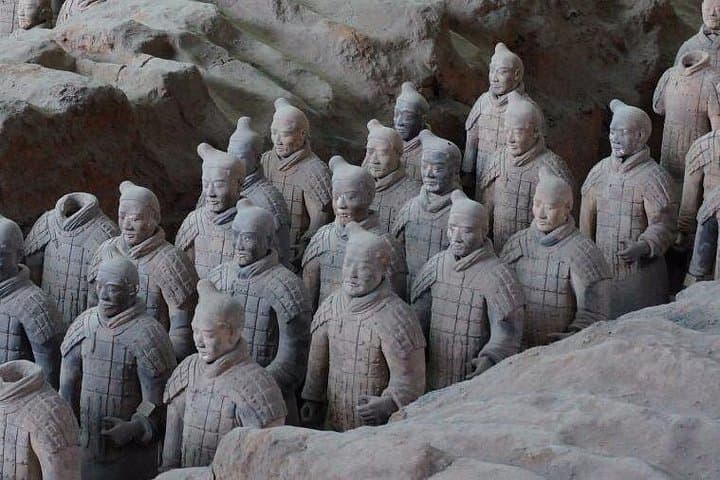
You step out of a morning haze in Xi’an and the city’s pulse drops away as the road pushes east toward Mount Huashan. On day one the mountain rises like a challenge, sheer faces and knife-edge ridges daring you upward; cable cars climb for a fast taste, but many hikers still choose the old stone steps and exposed ladder runs to reach the peaks. Day two shifts from high alpine exposure to archaeological weight—rows of life-sized terracotta figures in Lintong that quietly assert two millennia of imperial scale, followed by a slow walk or bike ride atop Xi’an’s 13.7 km ancient city wall.
Verified experiences and guided adventures in the surrounding area.
Operated by China Tour Search · Xi'an, Shaanxi
You step out of a morning haze in Xi’an and the city’s pulse drops away as the road pushes east toward Mount Huashan. On day one the mountain rises like a challenge, sheer faces and knife-edge ridges daring you upward; cable cars climb for a fast taste, but many hikers still choose the old stone steps and exposed ladder runs to reach the peaks. Day two shifts from high alpine exposure to archaeological weight—rows of life-sized terracotta figures in Lintong that quietly assert two millennia of imperial scale, followed by a slow walk or bike ride atop Xi’an’s 13.7 km ancient city wall.
Geology here is abrupt: Huashan’s granite towers and vertical joints create narrow aretes and natural staircases that form routes used for centuries by Daoist pilgrims and hermits. The Terracotta Army, built for Qin Shi Huang in the 3rd century BCE, reveals ancient casting techniques and imperial logistics. Between sites, the Muslim Quarter offers a practical cultural contrast—street food, artisans, and local cave homes carved into the loess plateau.
Practical guidance: plan sturdy hiking shoes, layered clothing, and 2–3 liters of water for the mountain day; expect several thousand steep stone steps and exposed sections where balance matters. Start early to avoid peak crowds, consider the cable car for descent, and leave time to acclimate to crowds at the museum. A private guide and round-trip transfer make logistics simple; bring cash for snacks and tip for local performers if you enjoy the Tang-era music option.
Expect a challenging hike with many steep stone steps and exposed sections; cable cars shorten the ascent or descent but you should be steady on your feet.
Yes—this tour includes admission to the Terracotta Warriors Museum and visits are guided to the main pits.
The tour is private and can accommodate families, but the Huashan peaks may be unsuitable for young children or travelers with mobility or heart issues; alternatives exist such as cable-car-only visits.
Early starts on both days help; spring and autumn offer the best weather and clearer views, while summer can be busy and hot in the lowlands.
China Tour Search operates guided outdoor trips and adventures with an emphasis on safety, stewardship, and memorable experiences.
You step out of a morning haze in Xi’an and the city’s pulse drops away as the road pushes east toward Mount Huashan. On day one the mountain rises like a challenge, sheer faces and knife-edge ridges daring you upward; cable cars climb for a fast taste, but many hikers still choose the old stone steps and exposed ladder runs to reach the peaks. Day two shifts from high alpine exposure to archaeological weight—rows of life-sized terracotta figures in Lintong that quietly assert two millennia of imperial scale, followed by a slow walk or bike ride atop Xi’an’s 13.7 km ancient city wall.
You step out of a morning haze in Xi’an and the city’s pulse drops away as the road pushes east toward Mount Huashan. On day one the mountain rises like a challenge, sheer faces and knife-edge ridges daring you upward; cable cars climb for a fast taste, but many hikers still choose the old stone steps and exposed ladder runs to reach the peaks. Day two shifts from high alpine exposure to archaeological weight—rows of life-sized terracotta figures in Lintong that quietly assert two millennia of imperial scale, followed by a slow walk or bike ride atop Xi’an’s 13.7 km ancient city wall.
Geology here is abrupt: Huashan’s granite towers and vertical joints create narrow aretes and natural staircases that form routes used for centuries by Daoist pilgrims and hermits. The Terracotta Army, built for Qin Shi Huang in the 3rd century BCE, reveals ancient casting techniques and imperial logistics. Between sites, the Muslim Quarter offers a practical cultural contrast—street food, artisans, and local cave homes carved into the loess plateau.
Practical guidance: plan sturdy hiking shoes, layered clothing, and 2–3 liters of water for the mountain day; expect several thousand steep stone steps and exposed sections where balance matters. Start early to avoid peak crowds, consider the cable car for descent, and leave time to acclimate to crowds at the museum. A private guide and round-trip transfer make logistics simple; bring cash for snacks and tip for local performers if you enjoy the Tang-era music option.