THE ADVENTURE COLLECTIVE® · Independent discovery and booking for outdoor travel

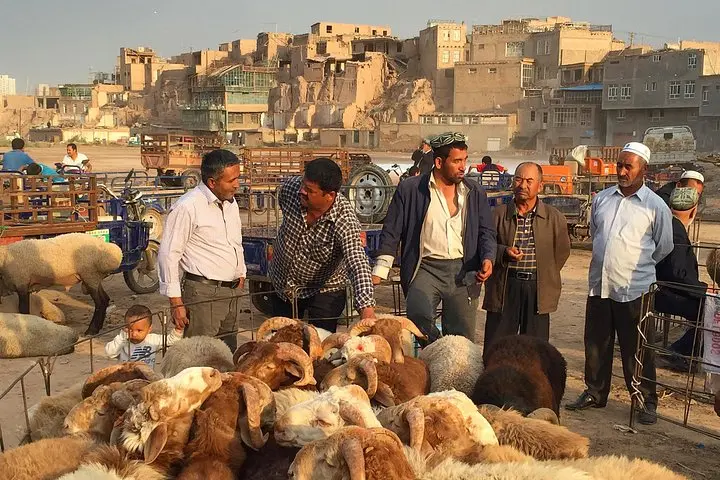
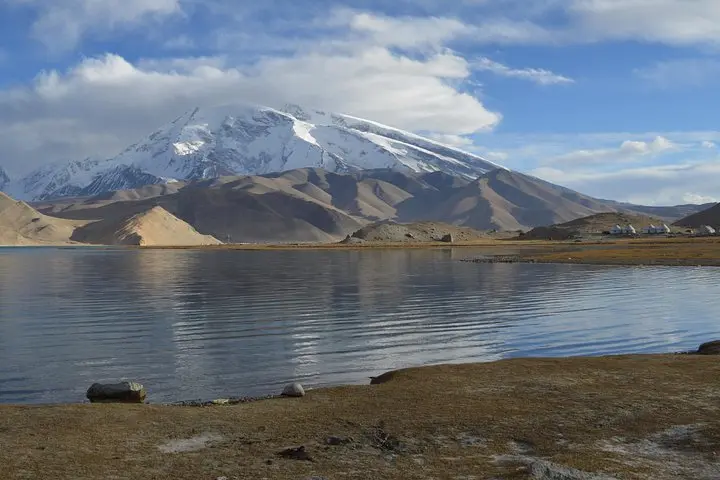
Cross deserts and high mountain passes from Kashgar to Urumqi on an 11‑day Silk Road overland route. Expect livestock markets, Karakul’s high‑altitude lake, Taklamakan sand dunes and well‑preserved Buddhist sites in Turpan and Kucha.
Cross deserts and high mountain passes from Kashgar to Urumqi on an 11‑day Silk Road overland route. Expect livestock markets, Karakul’s high‑altitude lake, Taklamakan sand dunes and well‑preserved Buddhist sites in Turpan and Kucha.
Dawn in Kashgar smells of spiced tea and grilled lamb as your convoy slides away from the old town into open desert. Dust rises from the road, then falls behind you while the Pamir and Karakoram peaks loom like silent wayfinders; later the route bends into the sun-baked basin of Turpan and the cool, high blue of Heavenly Lake. This is an overland passage where empire routes become asphalt and ancient ruins sit beside modern bazaars.
Verified experiences and guided adventures in the surrounding area.
Operated by Silk Road Expeditions · Kashgar, Xinjiang
Dawn in Kashgar smells of spiced tea and grilled lamb as your convoy slides away from the old town into open desert. Dust rises from the road, then falls behind you while the Pamir and Karakoram peaks loom like silent wayfinders; later the route bends into the sun-baked basin of Turpan and the cool, high blue of Heavenly Lake. This is an overland passage where empire routes become asphalt and ancient ruins sit beside modern bazaars.
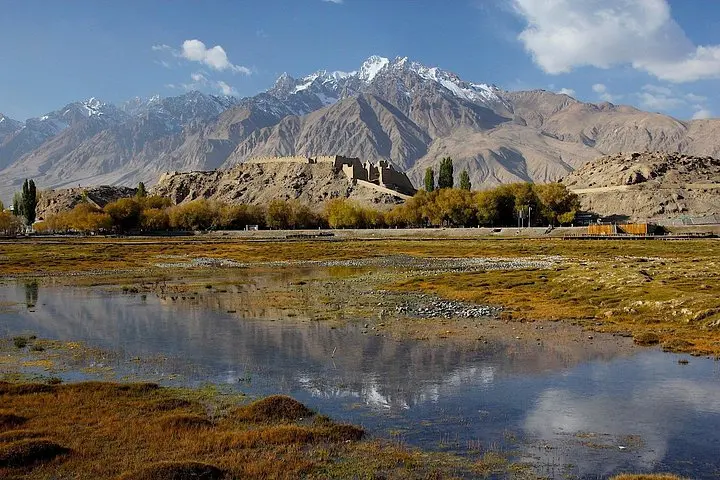
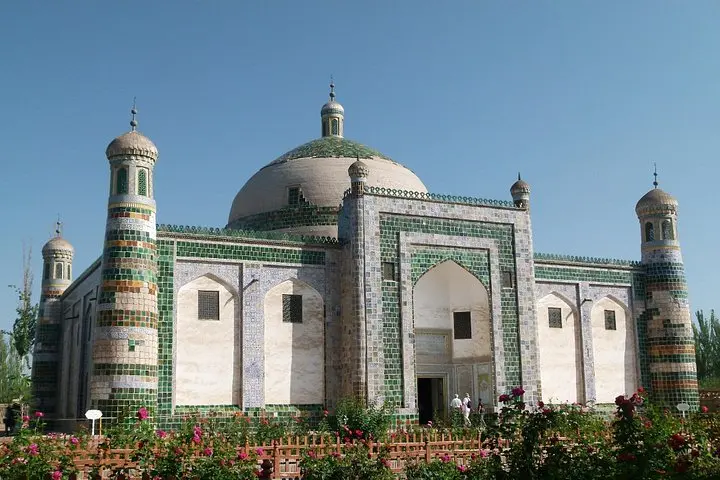
The itinerary traces the southern and middle branches of the Silk Road: market life in Kashgar, Tajik villages around Tashkorgan, the high Karakul basin beneath Muztagh Ata, a crossing of the Taklamakan’s desert highway and Buddhist grottoes and ruins in Kucha and Turpan. Geologically the trip moves from shifting sand seas to the uplifted ranges of the Pamir–Karakoram fringe and into the Turpan Depression — one of China’s lowest basins — a contrast that shaped trade, irrigation (the Karez tunnels) and settlement patterns here.
Culturally expect Uyghur cuisine, nightly bazaars, Tajik museum exhibits and mud‑brick citadels that predate Islamic change. Local guides explain permit logistics for border adjacencies and the historical role of jade, silk and Buddhism along these routes.
Practical guidance: plan for long driving days, intermittent high‑altitude walking (Karakul ~3,600 m), dusty conditions and limited cell coverage. Bring layers for wide diurnal swings, sturdy shoes for short hikes on scree and dune sand, and several days’ worth of cash for markets. Expect mostly paved roads but frequent stops and simple comforts in smaller towns.
Yes; some border‑adjacent routes require specific permits or registration. The tour includes necessary permits for the Karakoram section—confirm passport details at booking.
Expect multiple long driving days—typically 4–9 hours on road between stops; the itinerary balances driving with guided site visits.
The tour includes breakfasts (most days) and guide assistance for local dining; lunches and dinners are usually on your own except where noted.
3–4★ hotels in major towns, a sleeper train segment and basic lodging in remote stops; plan for simpler amenities outside major cities.
Silk Road Expeditions operates guided outdoor trips and adventures with an emphasis on safety, stewardship, and memorable experiences.
Dawn in Kashgar smells of spiced tea and grilled lamb as your convoy slides away from the old town into open desert. Dust rises from the road, then falls behind you while the Pamir and Karakoram peaks loom like silent wayfinders; later the route bends into the sun-baked basin of Turpan and the cool, high blue of Heavenly Lake. This is an overland passage where empire routes become asphalt and ancient ruins sit beside modern bazaars.
Dawn in Kashgar smells of spiced tea and grilled lamb as your convoy slides away from the old town into open desert. Dust rises from the road, then falls behind you while the Pamir and Karakoram peaks loom like silent wayfinders; later the route bends into the sun-baked basin of Turpan and the cool, high blue of Heavenly Lake. This is an overland passage where empire routes become asphalt and ancient ruins sit beside modern bazaars.
The itinerary traces the southern and middle branches of the Silk Road: market life in Kashgar, Tajik villages around Tashkorgan, the high Karakul basin beneath Muztagh Ata, a crossing of the Taklamakan’s desert highway and Buddhist grottoes and ruins in Kucha and Turpan. Geologically the trip moves from shifting sand seas to the uplifted ranges of the Pamir–Karakoram fringe and into the Turpan Depression — one of China’s lowest basins — a contrast that shaped trade, irrigation (the Karez tunnels) and settlement patterns here.
Culturally expect Uyghur cuisine, nightly bazaars, Tajik museum exhibits and mud‑brick citadels that predate Islamic change. Local guides explain permit logistics for border adjacencies and the historical role of jade, silk and Buddhism along these routes.
Practical guidance: plan for long driving days, intermittent high‑altitude walking (Karakul ~3,600 m), dusty conditions and limited cell coverage. Bring layers for wide diurnal swings, sturdy shoes for short hikes on scree and dune sand, and several days’ worth of cash for markets. Expect mostly paved roads but frequent stops and simple comforts in smaller towns.