THE ADVENTURE COLLECTIVE® · Independent discovery and booking for outdoor travel

Follow a private drive from Beijing to Xishuiyu Reservoir, then hike 4–5 hours along the unique Huanghuacheng Water Great Wall where masonry meets lake. This guide explains what to expect, practical logistics, and how to prepare for the terrain and weather.
Follow a private drive from Beijing to Xishuiyu Reservoir, then hike 4–5 hours along the unique Huanghuacheng Water Great Wall where masonry meets lake. This guide explains what to expect, practical logistics, and how to prepare for the terrain and weather.
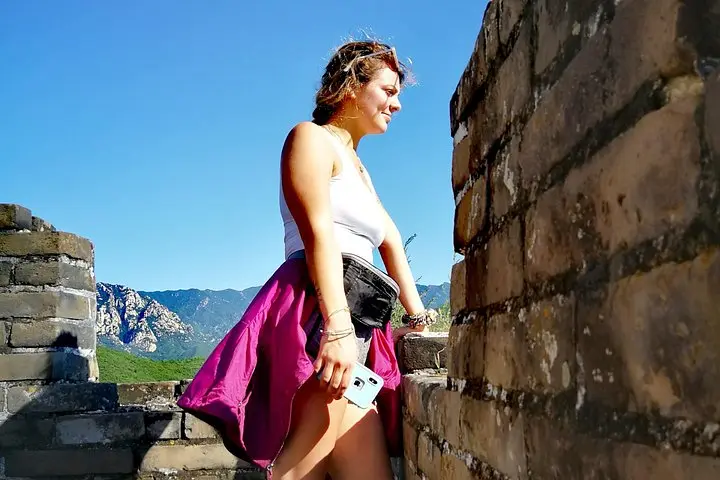
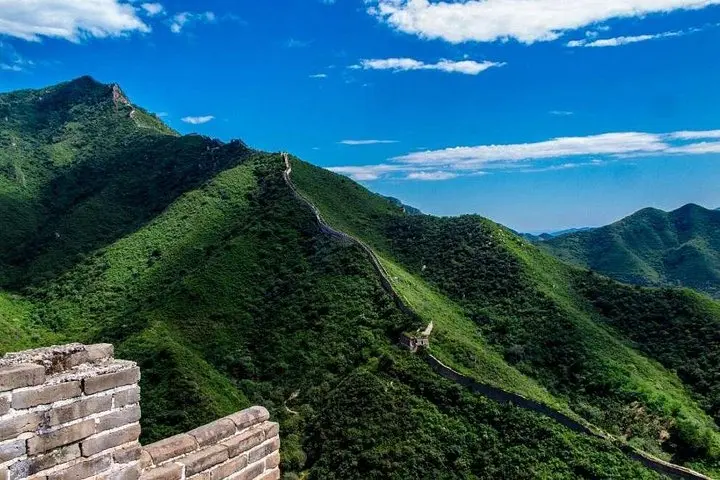
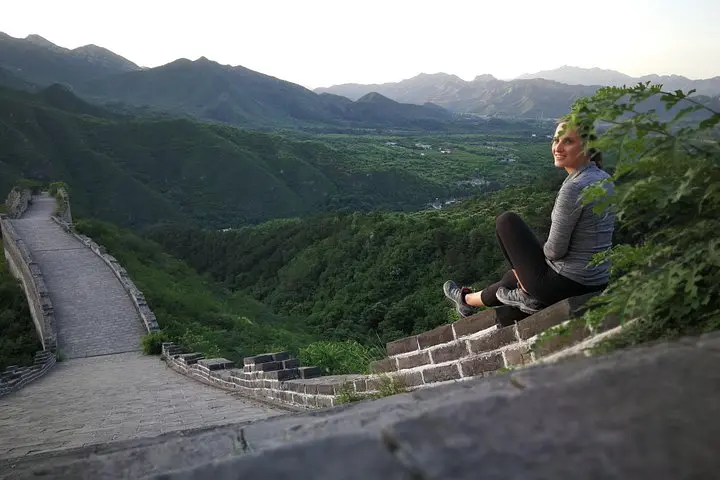
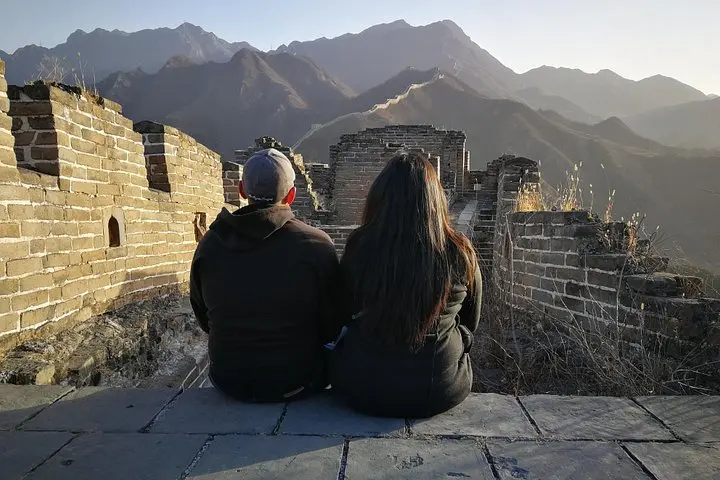
A gravel road unwinds out of Beijing and the city’s heat falls away as the private vehicle climbs toward Xishuiyu Reservoir. By the time hikers step from the car the reservoir will be below them and the Great Wall will appear, jagged and patient, where stone meets water. The hike follows original Ming-era masonry and eroded paths that alternately hug ridgelines and drop toward the lake, offering sudden clearings and quiet stretches where birds call instead of traffic.
Verified experiences and guided adventures in the surrounding area.
Operated by Wild Huanghuacheng Great Wall · Beijing, Beijing Municipality
A gravel road unwinds out of Beijing and the city’s heat falls away as the private vehicle climbs toward Xishuiyu Reservoir. By the time hikers step from the car the reservoir will be below them and the Great Wall will appear, jagged and patient, where stone meets water. The hike follows original Ming-era masonry and eroded paths that alternately hug ridgelines and drop toward the lake, offering sudden clearings and quiet stretches where birds call instead of traffic.
Huanghuacheng — the so-called Water Great Wall — has sections partially submerged where rising reservoir levels lap at the wall’s base. Geologically, the route crosses sedimentary slopes and granitic outcrops shaped by ancient rivers; culturally it sits in the outer Beijing highlands that supplied timber and labor for Ming fortifications. Local villages still cook with wood-fired stoves; lunch often features handmade dumplings and simple rural produce that reflect regional tastes.
Expect 4–5 hours on trail with steep stone steps, loose scree, and occasional laddered repairs. The guide-led format includes return transport (about 2.5 hours each way from central Beijing), entrance ticket, bottled water and a sit-down lunch at a nearby restaurant. Timing matters: mornings bring cooler air and clearer views; late afternoons can make exposed sections sun-baking and harder on the knees.
Practical tips: wear sturdy boots with ankle support, bring 1–2 liters of water, use sun protection, and allow time for photography at the submerged sections. The route rewards steady pacing and basic trail experience rather than technical climbing ability.
It’s rated moderate—expect several steep stone sections, uneven footing and 4–5 hours on trail; no technical climbing required.
Yes. The tour includes private vehicle pickup/drop-off from Beijing, bottled water, entrance ticket and a restaurant lunch.
Facilities are limited near the Great Wall access points; plan accordingly and use facilities at the trailhead or restaurant.
This tour is not recommended for pregnant travelers or those with serious back or heart problems; children should be supervised and able to handle long walks.
Wild Huanghuacheng Great Wall operates guided outdoor trips and adventures with an emphasis on safety, stewardship, and memorable experiences.
A gravel road unwinds out of Beijing and the city’s heat falls away as the private vehicle climbs toward Xishuiyu Reservoir. By the time hikers step from the car the reservoir will be below them and the Great Wall will appear, jagged and patient, where stone meets water. The hike follows original Ming-era masonry and eroded paths that alternately hug ridgelines and drop toward the lake, offering sudden clearings and quiet stretches where birds call instead of traffic.
A gravel road unwinds out of Beijing and the city’s heat falls away as the private vehicle climbs toward Xishuiyu Reservoir. By the time hikers step from the car the reservoir will be below them and the Great Wall will appear, jagged and patient, where stone meets water. The hike follows original Ming-era masonry and eroded paths that alternately hug ridgelines and drop toward the lake, offering sudden clearings and quiet stretches where birds call instead of traffic.
Huanghuacheng — the so-called Water Great Wall — has sections partially submerged where rising reservoir levels lap at the wall’s base. Geologically, the route crosses sedimentary slopes and granitic outcrops shaped by ancient rivers; culturally it sits in the outer Beijing highlands that supplied timber and labor for Ming fortifications. Local villages still cook with wood-fired stoves; lunch often features handmade dumplings and simple rural produce that reflect regional tastes.
Expect 4–5 hours on trail with steep stone steps, loose scree, and occasional laddered repairs. The guide-led format includes return transport (about 2.5 hours each way from central Beijing), entrance ticket, bottled water and a sit-down lunch at a nearby restaurant. Timing matters: mornings bring cooler air and clearer views; late afternoons can make exposed sections sun-baking and harder on the knees.
Practical tips: wear sturdy boots with ankle support, bring 1–2 liters of water, use sun protection, and allow time for photography at the submerged sections. The route rewards steady pacing and basic trail experience rather than technical climbing ability.