THE ADVENTURE COLLECTIVE® · Independent discovery and booking for outdoor travel

Glide through Xochimilco’s vibrant canals, then wander Coyoacán’s colonial squares with an optional visit to Frida Kahlo’s Casa Azul. This half-day to full-day tour blends floating gardens, street food, and art-house history for a compact Mexico City experience.
Glide through Xochimilco’s vibrant canals, then wander Coyoacán’s colonial squares with an optional visit to Frida Kahlo’s Casa Azul. This half-day to full-day tour blends floating gardens, street food, and art-house history for a compact Mexico City experience.
A bright trajinera cuts across a glassy canal, painted florals rippling as mariachi strains drift over the water. You settle into the bench as the pilot nudges past chinampa plots—small, raised agricultural islands—that still feed neighborhoods downstream. Two hours in Xochimilco feels like a different tempo of Mexico City: loud, colorful, and rooted in pre-Hispanic wetland engineering.
Verified experiences and guided adventures in the surrounding area.
Operated by Tlatoani tours · Mexico City, Ciudad de México
A bright trajinera cuts across a glassy canal, painted florals rippling as mariachi strains drift over the water. You settle into the bench as the pilot nudges past chinampa plots—small, raised agricultural islands—that still feed neighborhoods downstream. Two hours in Xochimilco feels like a different tempo of Mexico City: loud, colorful, and rooted in pre-Hispanic wetland engineering.
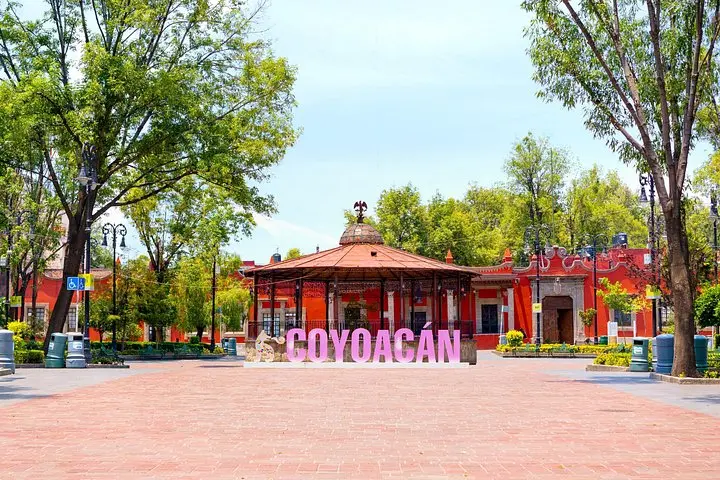
The tour moves inland to Coyoacán, where cobblestone streets narrow around the leafy Jardín Centenario and vendors sell tostadas and café de olla. Coyoacán grew from an indigenous village into a bohemian borough in the 20th century; its plaza, fountains, and baroque church reflect layered history—from colonial land grants to revolutionary-era artists who made this quarter their home.
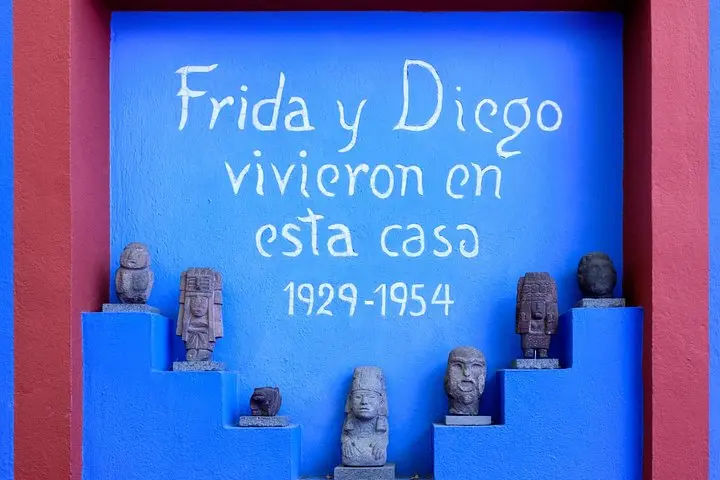
A possible final stop is the Frida Kahlo Museum, the Casa Azul, where the rooms and objects map a life of art, politics, and pain. Geology here is less about rock and more about lake basin legacy: Xochimilco occupies what was once Lake Texcoco, and the remaining canals are relics of an expansive lacustrine plain transformed by centuries of drainage and urban growth.
Practical guidance: expect 5–7 hours total, light walking on uneven cobbles and a leisurely seated boat segment. Bring sun protection, cash for food and tips, and a lightweight layer for shaded plazas. If you opt for museum entry, prebook tickets—availability varies. Travel with respect for fragile canal ecology; keep noise and litter to a minimum to help these waterways persist.
Some tour options include private transportation; check your booking selection—if not included, rideshare or taxi connections are readily available.
Yes, the tour offers an optional museum visit, but museum entry depends on ticket availability—prebook when possible.
Trajineras require stepping down into the boat and are not fully accessible; strollers may be carried by staff but check with the operator for assistance.
Food is typically not included; vendors and local stalls along the route offer snacks and meals—bring cash for purchases.
Tlatoani tours operates guided outdoor trips and adventures with an emphasis on safety, stewardship, and memorable experiences.
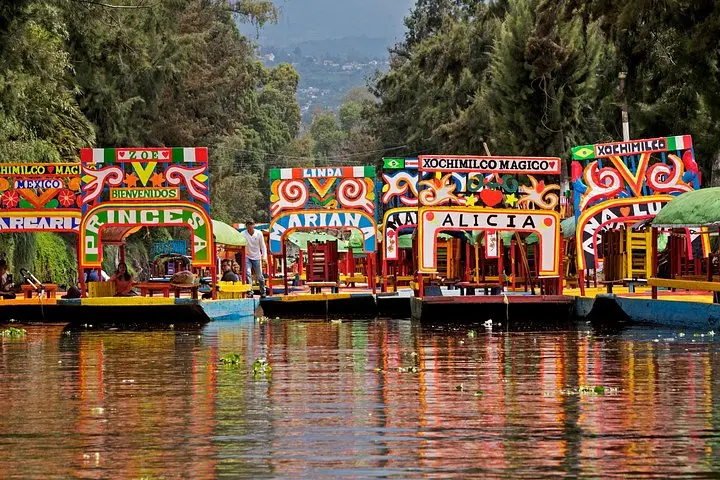
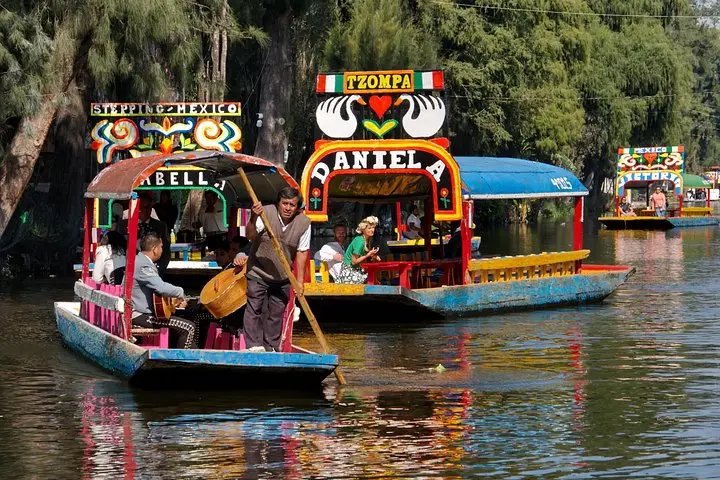
A bright trajinera cuts across a glassy canal, painted florals rippling as mariachi strains drift over the water. You settle into the bench as the pilot nudges past chinampa plots—small, raised agricultural islands—that still feed neighborhoods downstream. Two hours in Xochimilco feels like a different tempo of Mexico City: loud, colorful, and rooted in pre-Hispanic wetland engineering.
A bright trajinera cuts across a glassy canal, painted florals rippling as mariachi strains drift over the water. You settle into the bench as the pilot nudges past chinampa plots—small, raised agricultural islands—that still feed neighborhoods downstream. Two hours in Xochimilco feels like a different tempo of Mexico City: loud, colorful, and rooted in pre-Hispanic wetland engineering.
The tour moves inland to Coyoacán, where cobblestone streets narrow around the leafy Jardín Centenario and vendors sell tostadas and café de olla. Coyoacán grew from an indigenous village into a bohemian borough in the 20th century; its plaza, fountains, and baroque church reflect layered history—from colonial land grants to revolutionary-era artists who made this quarter their home.
A possible final stop is the Frida Kahlo Museum, the Casa Azul, where the rooms and objects map a life of art, politics, and pain. Geology here is less about rock and more about lake basin legacy: Xochimilco occupies what was once Lake Texcoco, and the remaining canals are relics of an expansive lacustrine plain transformed by centuries of drainage and urban growth.
Practical guidance: expect 5–7 hours total, light walking on uneven cobbles and a leisurely seated boat segment. Bring sun protection, cash for food and tips, and a lightweight layer for shaded plazas. If you opt for museum entry, prebook tickets—availability varies. Travel with respect for fragile canal ecology; keep noise and litter to a minimum to help these waterways persist.