THE ADVENTURE COLLECTIVE® · Independent discovery and booking for outdoor travel

Float canals carved by ancient engineering, harvest from living chinampas, then turn your finds into a simple Mexican lunch. This Xochimilco day trip pairs a trajinera ride and short kayak section with a community-led cooking experience and an axolotl visit.
Float canals carved by ancient engineering, harvest from living chinampas, then turn your finds into a simple Mexican lunch. This Xochimilco day trip pairs a trajinera ride and short kayak section with a community-led cooking experience and an axolotl visit.
You push off from a low dock and the trajinera rocks gently as the canal opens — reed fringes whisper against painted wood, and the smell of wet earth and herbs follows you. In Xochimilco the city’s edge softens into a living wetland where rectangular chinampa gardens float like cultivated islands and colorfully decorated boats thread historic waterways.
Verified experiences and guided adventures in the surrounding area.
Operated by Vibe Adventures · Mexico City, Mexico City
You push off from a low dock and the trajinera rocks gently as the canal opens — reed fringes whisper against painted wood, and the smell of wet earth and herbs follows you. In Xochimilco the city’s edge softens into a living wetland where rectangular chinampa gardens float like cultivated islands and colorfully decorated boats thread historic waterways.
This is an agricultural landscape that dates back to Aztec engineering: chinampas are man-made plots built on the shallow lakebed to intensify food production. The area’s geology is lacustrine — mud, peat and shallow water — which creates nutrient-rich soils and a fragile ecosystem. Culturally, canals remain a place for social life: boat vendors, seasonal festivals and family gatherings continue alongside small-scale farming.
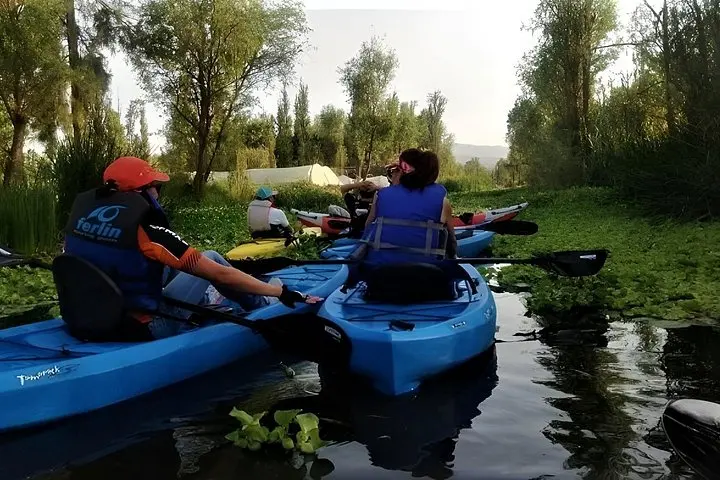
Expect a practical mix of activities: a guided trajinera ride to observe chinampas, hands-on time on a chinampa harvesting produce, a short cooking class to prepare simple Mexican dishes, a kayak section across quieter channels, and a visit to a local aquarium housing axolotls. The day is paced for accessible participation rather than strenuous effort.
Plan for variable sun and muddier footing at landings — closed-toe shoes, sun protection and a refillable water bottle matter. If you paddle, basic balance and a willingness to get slightly wet help; guides provide orientation and bilingual narration. Timing your visit for morning light reduces boat traffic and keeps temperatures comfortable. Respect the fragile waterways: carry out waste, follow guides’ safety briefings, and favor locally made food and services to support the communities maintaining this UNESCO site.
The tour runs about seven hours and typically includes round-trip transport (private option), trajinera ride, guided chinampa visit, hands-on cooking, kayak use, axolotl aquarium admission, and tastings.
No advanced experience is required; guides provide instruction and calm, shallow channels are used — basic balance and willingness to try are enough.
Local food tastings and a cooked lunch using chinampa produce are included; bring extra snacks if you have specific dietary needs and inform the operator in advance.
Wild axolotl populations are critically endangered; the trip visits a refuge/aquarium to view and learn about conservation rather than direct wild encounters.
Vibe Adventures operates guided outdoor trips and adventures with an emphasis on safety, stewardship, and memorable experiences.
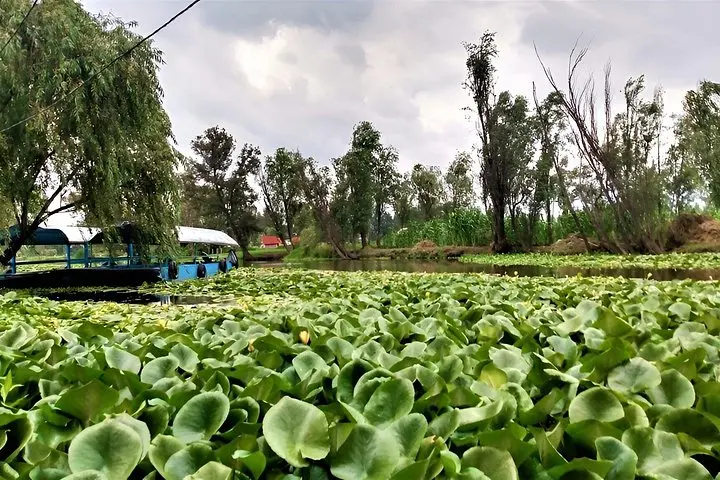
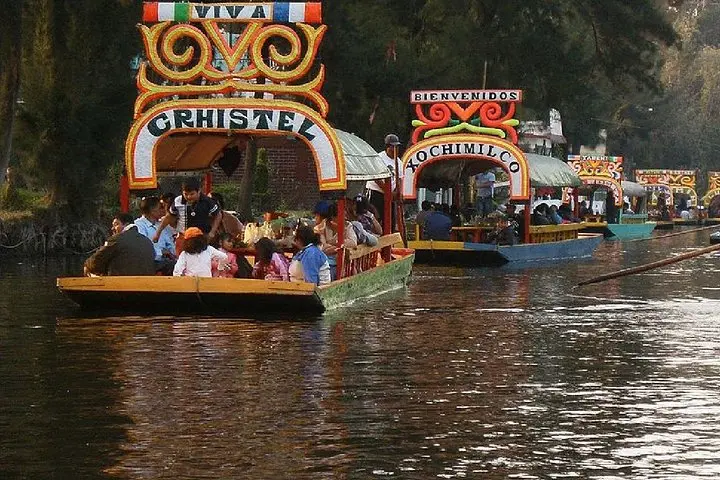
You push off from a low dock and the trajinera rocks gently as the canal opens — reed fringes whisper against painted wood, and the smell of wet earth and herbs follows you. In Xochimilco the city’s edge softens into a living wetland where rectangular chinampa gardens float like cultivated islands and colorfully decorated boats thread historic waterways.
You push off from a low dock and the trajinera rocks gently as the canal opens — reed fringes whisper against painted wood, and the smell of wet earth and herbs follows you. In Xochimilco the city’s edge softens into a living wetland where rectangular chinampa gardens float like cultivated islands and colorfully decorated boats thread historic waterways.
This is an agricultural landscape that dates back to Aztec engineering: chinampas are man-made plots built on the shallow lakebed to intensify food production. The area’s geology is lacustrine — mud, peat and shallow water — which creates nutrient-rich soils and a fragile ecosystem. Culturally, canals remain a place for social life: boat vendors, seasonal festivals and family gatherings continue alongside small-scale farming.
Expect a practical mix of activities: a guided trajinera ride to observe chinampas, hands-on time on a chinampa harvesting produce, a short cooking class to prepare simple Mexican dishes, a kayak section across quieter channels, and a visit to a local aquarium housing axolotls. The day is paced for accessible participation rather than strenuous effort.
Plan for variable sun and muddier footing at landings — closed-toe shoes, sun protection and a refillable water bottle matter. If you paddle, basic balance and a willingness to get slightly wet help; guides provide orientation and bilingual narration. Timing your visit for morning light reduces boat traffic and keeps temperatures comfortable. Respect the fragile waterways: carry out waste, follow guides’ safety briefings, and favor locally made food and services to support the communities maintaining this UNESCO site.