THE ADVENTURE COLLECTIVE® · Independent discovery and booking for outdoor travel

Cross a hand‑cranked ferry, climb a stone temple for wide jungle views, then float by canoe through a Maya ceremonial cave. This full‑day combo pairs the sun‑warmed ruins of Xunantunich with the wet, echoing passages of Barton Creek Cave.
Cross a hand‑cranked ferry, climb a stone temple for wide jungle views, then float by canoe through a Maya ceremonial cave. This full‑day combo pairs the sun‑warmed ruins of Xunantunich with the wet, echoing passages of Barton Creek Cave.
The day begins with the small, mechanical clack of a hand‑cranked ferry as it pulls you across the Mopan River, the current nudging the hull and the jungle on the far bank already murmuring with life. From the ferry landing a mile‑long ascent threads through secondary growth before opening on the limestone face of Xunantunich. Climbing El Castillo means trading humid understorey for hot stone and wind; the summit offers a panoramic edge where the surrounding canopy rolls toward the Guatemalan border and howler monkeys call like a distant alarm.
Verified experiences and guided adventures in the surrounding area.
Operated by Cayo Inland Expeditions · San Ignacio, Cayo District
The day begins with the small, mechanical clack of a hand‑cranked ferry as it pulls you across the Mopan River, the current nudging the hull and the jungle on the far bank already murmuring with life. From the ferry landing a mile‑long ascent threads through secondary growth before opening on the limestone face of Xunantunich. Climbing El Castillo means trading humid understorey for hot stone and wind; the summit offers a panoramic edge where the surrounding canopy rolls toward the Guatemalan border and howler monkeys call like a distant alarm.
Xunantunich is a Classic‑period Maya center, and the plaza and temple facades still carry glyphs and friezes that hint at a city once vested with ritual power and regional trade. The geology here is karst limestone—soft rock sculpted by water over millennia—so the same processes that left carved plazas and collapsed sinkholes also feed the subterranean network that becomes Barton Creek Cave.
After a village lunch in San Jose Succotz, the tour turns south along a scenic road that threads through Maya villages, agricultural plots and stands of cedar and mahogany. Barton Creek Cave sits at the head of a canyon and is only approachable by canoe; once you push off the bank the cave narrows and the world goes dark except for the guide’s light. Inside, stalactites and stalagmites loom like slow sculptures and the guides will point out ledges where the Maya left offerings and burial remains—archaeology and geology in close conversation.
This is a full but accessible day: roughly 8 hours door‑to‑door, with 1.5–2 hours exploring Xunantunich and about an hour canoeing in Barton Creek. The physical demands are moderate—expect uneven stone, brief stair climbs at the ruins and sitting steady in a guided canoe. Guides provide interpretation and headlamps for the cave; bring your own small flashlight if you prefer.
Practicalities: start time is 8:30am with hotel pickups around 30–60 minutes earlier. Wear sturdy closed‑toe shoes for the hike and synthetic layers for the jungle heat; insect repellent and sun protection matter. Carry a small daypack with water, your camera (with a strap), and a few Belize dollars for village purchases or tips. Travelers with spinal injuries, recent surgeries, or pregnancy should avoid the rigors of climbing and canoe transfers. The tour is weather‑dependent—heavy rain can flood the cave approach and affect access—but operators will offer alternatives or rescheduling.
In two contrasting settings—open temple plaza and deep cave passage—the combo delivers a compact lesson in Maya history, tropical karst landscapes and the living village culture of western Belize. It’s a day that asks little of technical skill but asks a lot of attention: listen to the forest, watch the rock, and leave only footprints.
The tour runs about 8 hours, typically beginning at 8:30am and returning around 4:30pm; exact pickup times are confirmed after booking.
Yes—families and older travelers often take this tour; however, children must be accompanied by adults and participants should manage uneven ground and canoe transfers.
Guides provide head and spot lights in the cave, but bringing a small personal light can help with photos and visibility.
Complimentary pickup is included within 10km of downtown San Ignacio; pickups outside that radius can be arranged for a surcharge.
Lunch is included, as is bottled water; you may want extra water, snacks, and local currency for additional purchases.
Tours are weather‑dependent—heavy rain may cancel cave access; if canceled you’ll be offered an alternative date or different tour subject to availability.
Cayo Inland Expeditions operates guided outdoor trips and adventures with an emphasis on safety, stewardship, and memorable experiences.


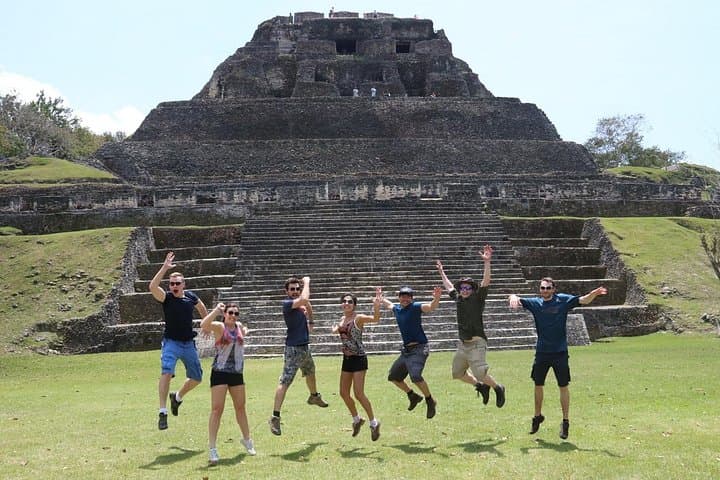

The day begins with the small, mechanical clack of a hand‑cranked ferry as it pulls you across the Mopan River, the current nudging the hull and the jungle on the far bank already murmuring with life. From the ferry landing a mile‑long ascent threads through secondary growth before opening on the limestone face of Xunantunich. Climbing El Castillo means trading humid understorey for hot stone and wind; the summit offers a panoramic edge where the surrounding canopy rolls toward the Guatemalan border and howler monkeys call like a distant alarm.
The day begins with the small, mechanical clack of a hand‑cranked ferry as it pulls you across the Mopan River, the current nudging the hull and the jungle on the far bank already murmuring with life. From the ferry landing a mile‑long ascent threads through secondary growth before opening on the limestone face of Xunantunich. Climbing El Castillo means trading humid understorey for hot stone and wind; the summit offers a panoramic edge where the surrounding canopy rolls toward the Guatemalan border and howler monkeys call like a distant alarm.
Xunantunich is a Classic‑period Maya center, and the plaza and temple facades still carry glyphs and friezes that hint at a city once vested with ritual power and regional trade. The geology here is karst limestone—soft rock sculpted by water over millennia—so the same processes that left carved plazas and collapsed sinkholes also feed the subterranean network that becomes Barton Creek Cave.
After a village lunch in San Jose Succotz, the tour turns south along a scenic road that threads through Maya villages, agricultural plots and stands of cedar and mahogany. Barton Creek Cave sits at the head of a canyon and is only approachable by canoe; once you push off the bank the cave narrows and the world goes dark except for the guide’s light. Inside, stalactites and stalagmites loom like slow sculptures and the guides will point out ledges where the Maya left offerings and burial remains—archaeology and geology in close conversation.
This is a full but accessible day: roughly 8 hours door‑to‑door, with 1.5–2 hours exploring Xunantunich and about an hour canoeing in Barton Creek. The physical demands are moderate—expect uneven stone, brief stair climbs at the ruins and sitting steady in a guided canoe. Guides provide interpretation and headlamps for the cave; bring your own small flashlight if you prefer.
Practicalities: start time is 8:30am with hotel pickups around 30–60 minutes earlier. Wear sturdy closed‑toe shoes for the hike and synthetic layers for the jungle heat; insect repellent and sun protection matter. Carry a small daypack with water, your camera (with a strap), and a few Belize dollars for village purchases or tips. Travelers with spinal injuries, recent surgeries, or pregnancy should avoid the rigors of climbing and canoe transfers. The tour is weather‑dependent—heavy rain can flood the cave approach and affect access—but operators will offer alternatives or rescheduling.
In two contrasting settings—open temple plaza and deep cave passage—the combo delivers a compact lesson in Maya history, tropical karst landscapes and the living village culture of western Belize. It’s a day that asks little of technical skill but asks a lot of attention: listen to the forest, watch the rock, and leave only footprints.