THE ADVENTURE COLLECTIVE® · Independent discovery and booking for outdoor travel

Cross a hand‑cranked ferry, climb a 130‑foot Maya pyramid, and browse a bustling local market in a single day. This tour pairs archaeology—El Castillo and a recently discovered royal tomb—with authentic San Ignacio flavors and street life.
Cross a hand‑cranked ferry, climb a 130‑foot Maya pyramid, and browse a bustling local market in a single day. This tour pairs archaeology—El Castillo and a recently discovered royal tomb—with authentic San Ignacio flavors and street life.
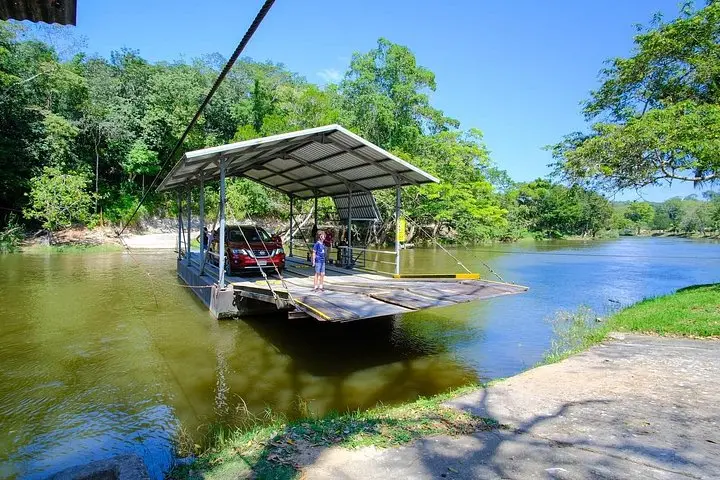
You step from a small bus into a village square, the air humid and green beyond the riverbank. A hand‑cranked ferry waits—its rope and pulley creak as it pulls you across the Mopan River—then the trail rises through low jungle to the stone heart of Xunantunich. The forest breathes around the ruins; howler monkeys mark the edges with guttural calls while motmots flash between trees.
Verified experiences and guided adventures in the surrounding area.
Operated by UNTAME BELIZE · San Ignacio, Cayo District
You step from a small bus into a village square, the air humid and green beyond the riverbank. A hand‑cranked ferry waits—its rope and pulley creak as it pulls you across the Mopan River—then the trail rises through low jungle to the stone heart of Xunantunich. The forest breathes around the ruins; howler monkeys mark the edges with guttural calls while motmots flash between trees.
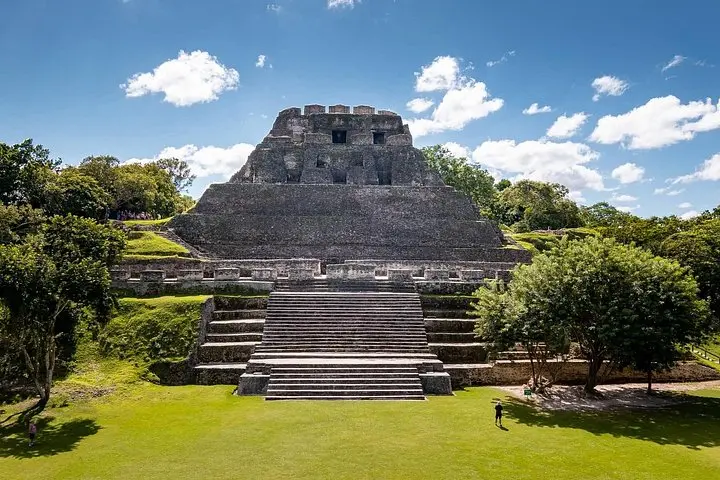
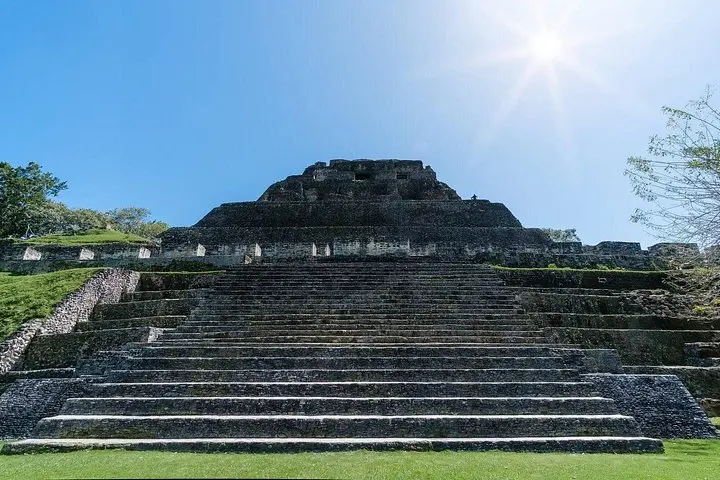
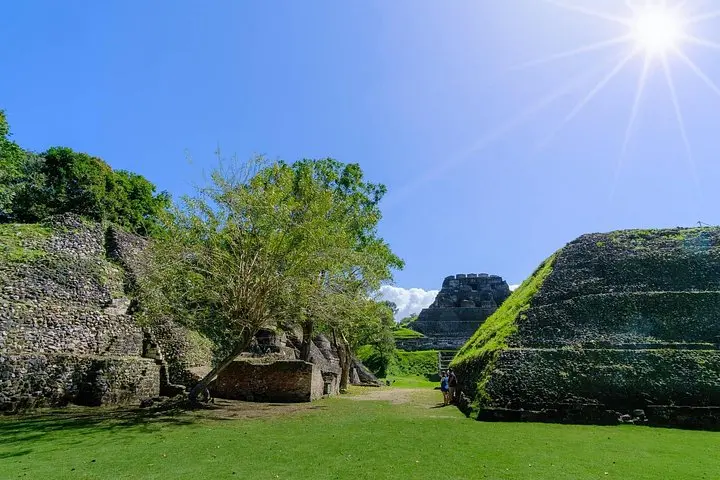
Xunantunich’s skyline is dominated by El Castillo, a 130‑foot pyramid whose summit opens a view that runs to the Guatemala highlands. The plaza and carved stelae speak to a polity that once controlled trade routes through the Cayo Valley; in 2016 archaeologists revealed one of Belize’s largest royal tombs here, deepening the site’s story. The limestone beneath your feet is part of the Maya Mountains’ western foothills—karst terrain that shaped settlement, water access, and ritual centers.
After the climb, the tour moves to San Ignacio Market: a compact hub of fresh produce, spices, and handcrafts where vendors balance baskets of citrus and peppers. It’s a good place to taste Belizean life—street coffee, handheld empanadas, and roadside banter.
Practical edge: the day runs about seven hours, with uneven stone steps and short jungle walks—sturdy shoes, sun protection, and insect repellent matter. Morning departures dodge midday heat and heavier wildlife activity. Guides often include entrance fees, bottled water, and lunch, but bring small cash for souvenirs. Expect a mix of light hiking, cultural interpretation, and vivid roadside market scenes—an accessible introduction to western Belize’s archaeology and everyday culture.
The experience lasts about seven hours with short guided walks around the ruins (roughly 1–2 miles total) and market time; expect a climb up El Castillo of several dozen steps.
The hand‑cranked ferry is operated by staff and used by locals; small children and strollers can be accommodated but ask your operator in advance for assistance.
Most organized tours include entrance fees to Xunantunich, bottled water, and a local lunch—confirm at booking if you require special meals or extras.
Yes—howler monkeys are commonly heard and occasionally seen; birdlife including toucans and motmots frequents the canopy. Wildlife sightings aren’t guaranteed but are common in the morning.
UNTAME BELIZE operates guided outdoor trips and adventures with an emphasis on safety, stewardship, and memorable experiences.
You step from a small bus into a village square, the air humid and green beyond the riverbank. A hand‑cranked ferry waits—its rope and pulley creak as it pulls you across the Mopan River—then the trail rises through low jungle to the stone heart of Xunantunich. The forest breathes around the ruins; howler monkeys mark the edges with guttural calls while motmots flash between trees.
You step from a small bus into a village square, the air humid and green beyond the riverbank. A hand‑cranked ferry waits—its rope and pulley creak as it pulls you across the Mopan River—then the trail rises through low jungle to the stone heart of Xunantunich. The forest breathes around the ruins; howler monkeys mark the edges with guttural calls while motmots flash between trees.
Xunantunich’s skyline is dominated by El Castillo, a 130‑foot pyramid whose summit opens a view that runs to the Guatemala highlands. The plaza and carved stelae speak to a polity that once controlled trade routes through the Cayo Valley; in 2016 archaeologists revealed one of Belize’s largest royal tombs here, deepening the site’s story. The limestone beneath your feet is part of the Maya Mountains’ western foothills—karst terrain that shaped settlement, water access, and ritual centers.
After the climb, the tour moves to San Ignacio Market: a compact hub of fresh produce, spices, and handcrafts where vendors balance baskets of citrus and peppers. It’s a good place to taste Belizean life—street coffee, handheld empanadas, and roadside banter.
Practical edge: the day runs about seven hours, with uneven stone steps and short jungle walks—sturdy shoes, sun protection, and insect repellent matter. Morning departures dodge midday heat and heavier wildlife activity. Guides often include entrance fees, bottled water, and lunch, but bring small cash for souvenirs. Expect a mix of light hiking, cultural interpretation, and vivid roadside market scenes—an accessible introduction to western Belize’s archaeology and everyday culture.