THE ADVENTURE COLLECTIVE® · Independent discovery and booking for outdoor travel

Walk among yakusugi—ancient Japanese cedars—on Yakushima Island with options from short boardwalk strolls to longer treks. This guided tour balances accessible forest views with deeper trail options for experienced walkers.
Walk among yakusugi—ancient Japanese cedars—on Yakushima Island with options from short boardwalk strolls to longer treks. This guided tour balances accessible forest views with deeper trail options for experienced walkers.
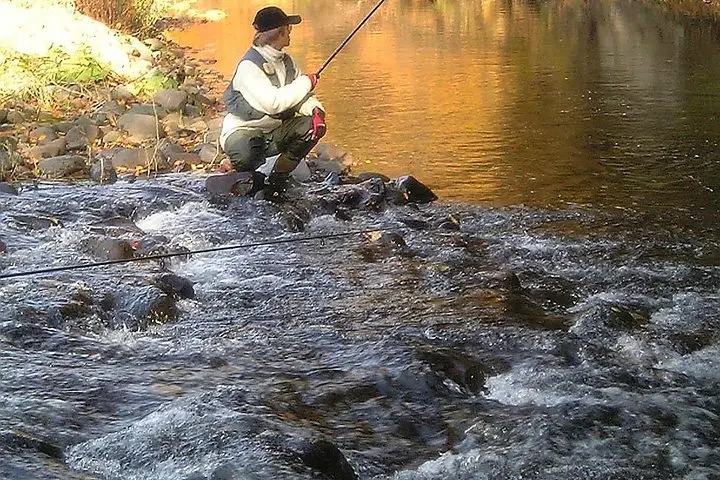
You step from the island road into a green room: trunks the width of small houses rise from carpets of moss, fog threading between branches and a creek daring you to pause. The air is damp and cool; every footfall is softened by centuries of needles and leaf litter. This is Yakushima’s cedar forest—old-growth sugi whose slow growth and island climate have created a landscape that feels both primeval and intensely present.
Verified experiences and guided adventures in the surrounding area.
Operated by Beauty of Japan · Yakushima (Miyanoura), Kagoshima Prefecture
You step from the island road into a green room: trunks the width of small houses rise from carpets of moss, fog threading between branches and a creek daring you to pause. The air is damp and cool; every footfall is softened by centuries of needles and leaf litter. This is Yakushima’s cedar forest—old-growth sugi whose slow growth and island climate have created a landscape that feels both primeval and intensely present.
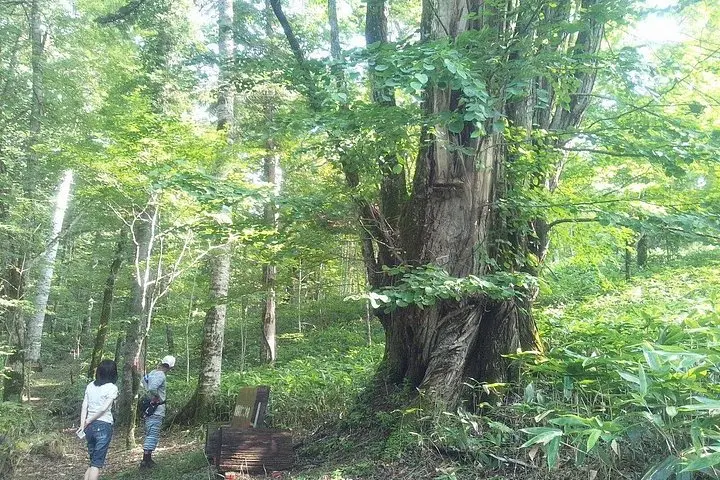
Geology and climate have shaped this place: volcanic bedrock, steep ridgelines and some of Japan’s highest annual rainfall feed temperate rainforest and laurel woods. The cedars here—some called yakusugi—can be millennia old; one, Jomon Sugi, is famous and remote. The island’s forests inspired Hayao Miyazaki’s film imagery and are protected as a UNESCO World Natural Heritage site, while local communities balance history of timber use with modern conservation.
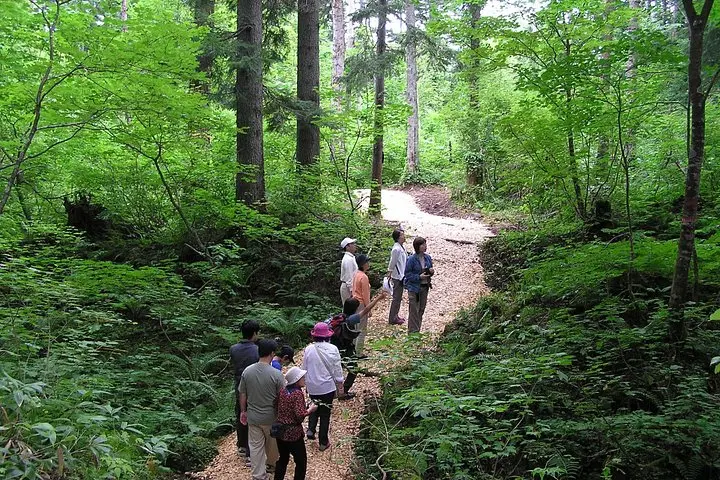
On a guided walking tour you’ll find options from an easy 1–2 hour boardwalk to a longer 4–6 hour trek that pushes deeper onto unpaved trails. Expect wet, uneven terrain, intermittent elevation gain (short routes ~2–4 km; longer routes up to 6–8 km and several hundred meters of climb), and boxed lunch provided on many tours.
Practical planning: wear waterproof layers and sturdy boots, use trekking poles on roots and steps, start early to avoid afternoon showers, and carry water and a small first-aid kit. Respect trail closures, keep to the path to protect fragile moss and root systems, and book with a certified local guide to maximize safety and stewardship.
Short, easy walks can be 1–2 hours (2–4 km) while longer routes on the same tour extend to 4–6 hours (6–8 km) depending on how deep into the forest you go.
Trails range from boardwalks and packed dirt to rooty, uneven singletrack; expect mud after rain and some steeper sections on long courses.
No special permit is required for most walking routes, but some remote sites like Jomon Sugi require longer treks and are managed—guided tours simplify logistics and minimize impact.
Short boardwalk routes are family-friendly; the longer trekking options are not recommended for those with spinal or severe cardiovascular issues and require a moderate fitness level.
Beauty of Japan operates guided outdoor trips and adventures with an emphasis on safety, stewardship, and memorable experiences.
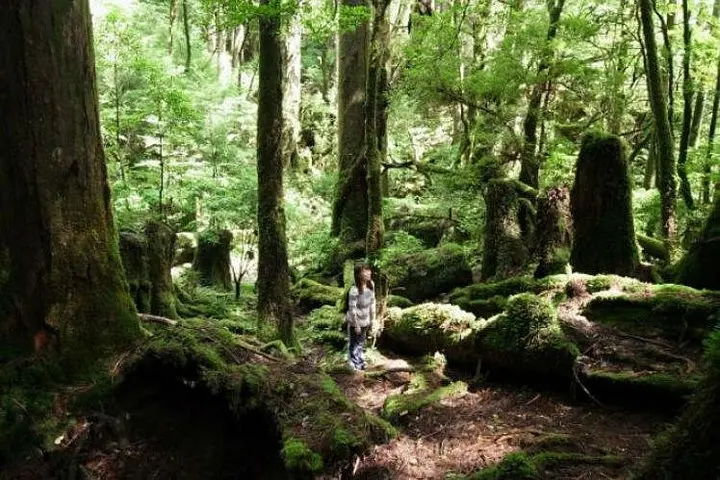
You step from the island road into a green room: trunks the width of small houses rise from carpets of moss, fog threading between branches and a creek daring you to pause. The air is damp and cool; every footfall is softened by centuries of needles and leaf litter. This is Yakushima’s cedar forest—old-growth sugi whose slow growth and island climate have created a landscape that feels both primeval and intensely present.
You step from the island road into a green room: trunks the width of small houses rise from carpets of moss, fog threading between branches and a creek daring you to pause. The air is damp and cool; every footfall is softened by centuries of needles and leaf litter. This is Yakushima’s cedar forest—old-growth sugi whose slow growth and island climate have created a landscape that feels both primeval and intensely present.
Geology and climate have shaped this place: volcanic bedrock, steep ridgelines and some of Japan’s highest annual rainfall feed temperate rainforest and laurel woods. The cedars here—some called yakusugi—can be millennia old; one, Jomon Sugi, is famous and remote. The island’s forests inspired Hayao Miyazaki’s film imagery and are protected as a UNESCO World Natural Heritage site, while local communities balance history of timber use with modern conservation.
On a guided walking tour you’ll find options from an easy 1–2 hour boardwalk to a longer 4–6 hour trek that pushes deeper onto unpaved trails. Expect wet, uneven terrain, intermittent elevation gain (short routes ~2–4 km; longer routes up to 6–8 km and several hundred meters of climb), and boxed lunch provided on many tours.
Practical planning: wear waterproof layers and sturdy boots, use trekking poles on roots and steps, start early to avoid afternoon showers, and carry water and a small first-aid kit. Respect trail closures, keep to the path to protect fragile moss and root systems, and book with a certified local guide to maximize safety and stewardship.