THE ADVENTURE COLLECTIVE® · Independent discovery and booking for outdoor travel

Drive into Yala’s mosaic of forests, wetlands and grasslands on a half‑day safari from Ella. Expect high leopard density, dense birdlife, and a guided search of watering holes and ridgelines before lunch back in town.
Drive into Yala’s mosaic of forests, wetlands and grasslands on a half‑day safari from Ella. Expect high leopard density, dense birdlife, and a guided search of watering holes and ridgelines before lunch back in town.
You climb into a low-slung safari jeep before dawn, the horizon a thin burn of light over dry grass and sal tree. The engine hums and the scrub opens like a page, each roadside pond and thorny ridge a new paragraph. Birds launch from the water’s edge as the jeep slips into an interior that alternates between dense monsoon forest and open plains that dare you to scan every shadow.
Verified experiences and guided adventures in the surrounding area.
Operated by Overa Tours · Tissamaharama, Southern Province
You climb into a low-slung safari jeep before dawn, the horizon a thin burn of light over dry grass and sal tree. The engine hums and the scrub opens like a page, each roadside pond and thorny ridge a new paragraph. Birds launch from the water’s edge as the jeep slips into an interior that alternates between dense monsoon forest and open plains that dare you to scan every shadow.
Yala National Park is Sri Lanka’s second largest protected area and one of the planet’s densest leopard habitats. The park’s geology is a patchwork of coastal dunes, freshwater tanks and lateritic soils shaped by ancient sea levels; its ecosystems host more than 200 bird species and 44 mammals, from water buffalo to sloth bears. The region bears traces of human history—ancient irrigation works and nearby temples speak to centuries of settlement and reverence for these lands.
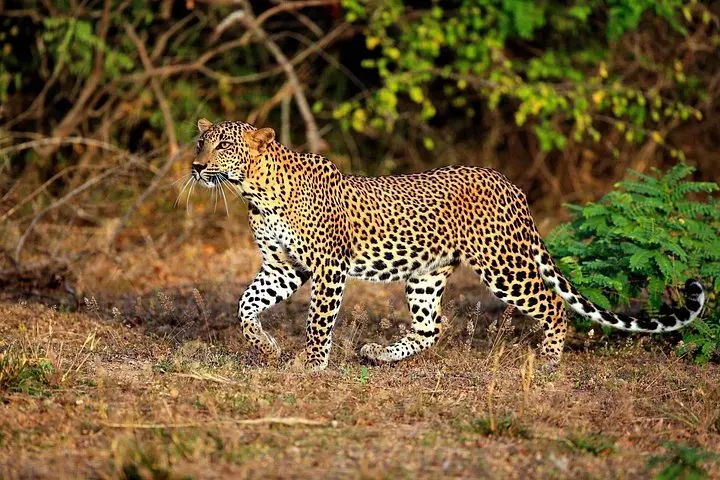
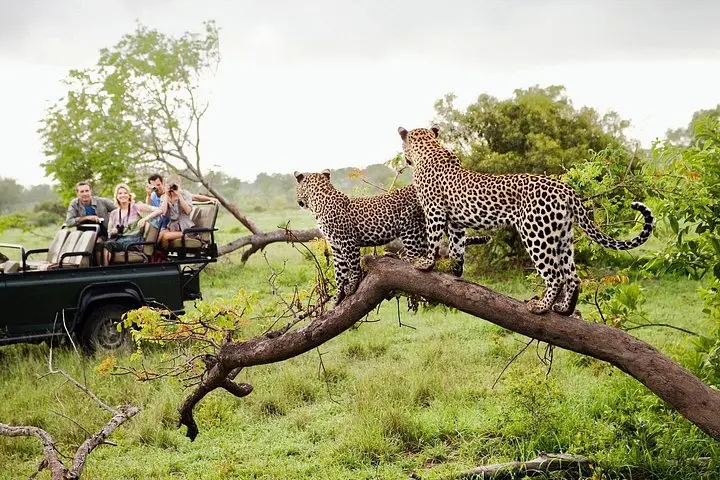
On a half‑day safari you focus on observation: slow drives, stakeouts at watering holes, and an experienced guide reading spoor and behavior. Expect bumpy tracks, close-up views of sambar deer or crocodiles sunning on riverbanks, and if luck favors you, a leopard slinking between trees.
Practical guidance: arrive with sun protection and binoculars, charge your camera and carry small cash for lunch and park permits. Wear sturdy shoes for short clambers on uneven ground, and be prepared for dust and sudden rain. Morning light is best for wildlife photography; afternoon safaris can be hotter and more active around water. Respect park rules, stay inside the vehicle, and bring reusable water—Yala is wild, and the terrain keeps its own timetable.
The guided game drive is about three hours; total trip time from Ella or Bandarawela including transfers and lunch is roughly 8–10 hours.
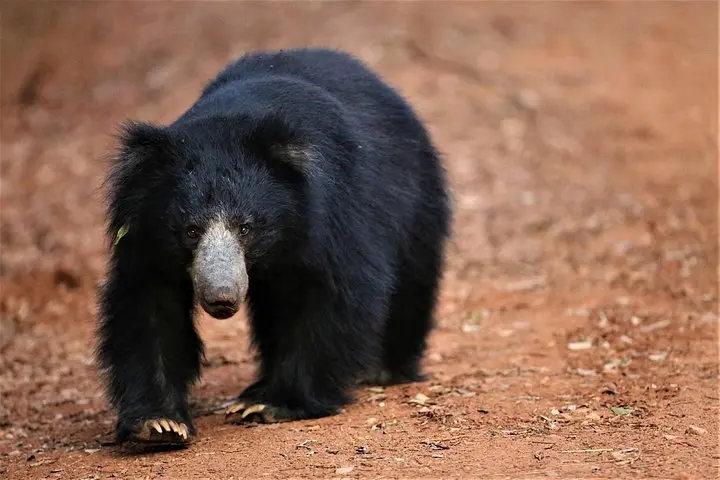
Common sightings include Sri Lankan sambar, spotted deer, water buffalo, crocodiles, many birds and, with luck, leopards and sloth bears.
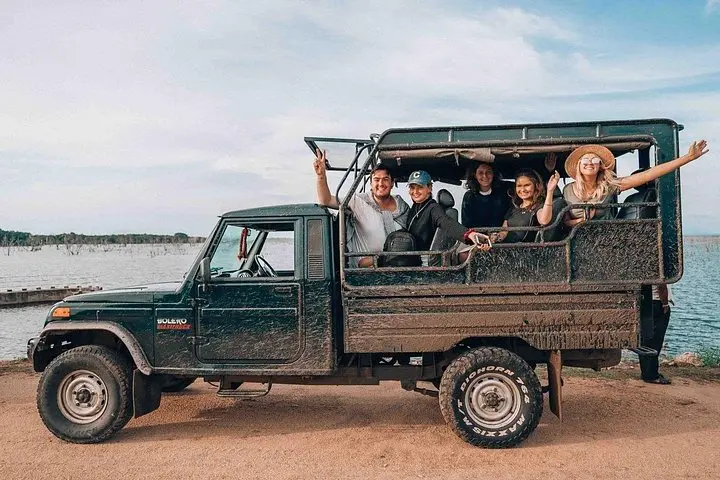
Yes—this tour includes park entrance fees, the safari jeep, refreshments, and hotel pickup from most hotels in Ella or Bandarawela.
Infants must sit on laps; the tour is not recommended for pregnant visitors or those with serious back or heart problems due to bumpy terrain.
Overa Tours operates guided outdoor trips and adventures with an emphasis on safety, stewardship, and memorable experiences.
You climb into a low-slung safari jeep before dawn, the horizon a thin burn of light over dry grass and sal tree. The engine hums and the scrub opens like a page, each roadside pond and thorny ridge a new paragraph. Birds launch from the water’s edge as the jeep slips into an interior that alternates between dense monsoon forest and open plains that dare you to scan every shadow.
You climb into a low-slung safari jeep before dawn, the horizon a thin burn of light over dry grass and sal tree. The engine hums and the scrub opens like a page, each roadside pond and thorny ridge a new paragraph. Birds launch from the water’s edge as the jeep slips into an interior that alternates between dense monsoon forest and open plains that dare you to scan every shadow.
Yala National Park is Sri Lanka’s second largest protected area and one of the planet’s densest leopard habitats. The park’s geology is a patchwork of coastal dunes, freshwater tanks and lateritic soils shaped by ancient sea levels; its ecosystems host more than 200 bird species and 44 mammals, from water buffalo to sloth bears. The region bears traces of human history—ancient irrigation works and nearby temples speak to centuries of settlement and reverence for these lands.
On a half‑day safari you focus on observation: slow drives, stakeouts at watering holes, and an experienced guide reading spoor and behavior. Expect bumpy tracks, close-up views of sambar deer or crocodiles sunning on riverbanks, and if luck favors you, a leopard slinking between trees.
Practical guidance: arrive with sun protection and binoculars, charge your camera and carry small cash for lunch and park permits. Wear sturdy shoes for short clambers on uneven ground, and be prepared for dust and sudden rain. Morning light is best for wildlife photography; afternoon safaris can be hotter and more active around water. Respect park rules, stay inside the vehicle, and bring reusable water—Yala is wild, and the terrain keeps its own timetable.