THE ADVENTURE COLLECTIVE® · Independent discovery and booking for outdoor travel

Spend a long morning tracking leopards and elephants in Yala National Park. This half-day safari offers concentrated wildlife viewing from a guided jeep, with best sightings at dawn and dusk.
Spend a long morning tracking leopards and elephants in Yala National Park. This half-day safari offers concentrated wildlife viewing from a guided jeep, with best sightings at dawn and dusk.
Early light slices across dry grass and an ocean breeze nudges the jeep as it rumbles into Yala’s Block I — the land here watches you back. Low scrub opens to broad salt flats and coastal thickets where elephants move like deliberate shadows and leopards slip between sunlit rocks.
Verified experiences and guided adventures in the surrounding area.
Operated by Shehan C Tours · Tissamaharama, Southern Province
Early light slices across dry grass and an ocean breeze nudges the jeep as it rumbles into Yala’s Block I — the land here watches you back. Low scrub opens to broad salt flats and coastal thickets where elephants move like deliberate shadows and leopards slip between sunlit rocks.
Yala National Park covers roughly 979 square kilometres on Sri Lanka’s southeastern coast, its geology shaped by coastal plains, sand belts and ancient river channels. Historically a hunting ground turned protected reserve, Yala now supports 44 mammal species and one of the world’s highest leopard densities; Block I is the most visited of five blocks. Local culture centers on small villages and temple shrines around Tissamaharama, where livelihoods balance tourism and subsistence farming.
Expect focused wildlife time rather than a hike: viewing is from an open or covered jeep across unpaved tracks, with stops to scan watering holes and shaded ridgelines. Morning and late-afternoon drives are best for leopard and elephant activity; midday heats and coastal winds quiet many animals.
Practical guidance: bring binoculars and a long-lens camera, neutral clothing to avoid startling wildlife, sun protection and insect repellent. Hydrate — bottled water is included on many tours — and be ready for bouncy roads; allow 7–8 hours for the round trip from Tissamaharama. Respect distance and the guide’s instructions: wildlife sightings are unpredictable, so patience and a steady lens yield the best moments.
Expect about 7–8 hours door-to-door from Tissamaharama including drive time and 3–4 hours in the park.
No sighting is guaranteed; Block I has high leopard density but sightings depend on season, time of day and luck.
Yes — tours accommodate families; infants normally must sit on a lap and guides will advise safe seating arrangements.
Neutral, lightweight layers and closed-toe shoes for dusty, bumpy conditions; avoid bright colors that may disturb wildlife.
Shehan C Tours operates guided outdoor trips and adventures with an emphasis on safety, stewardship, and memorable experiences.
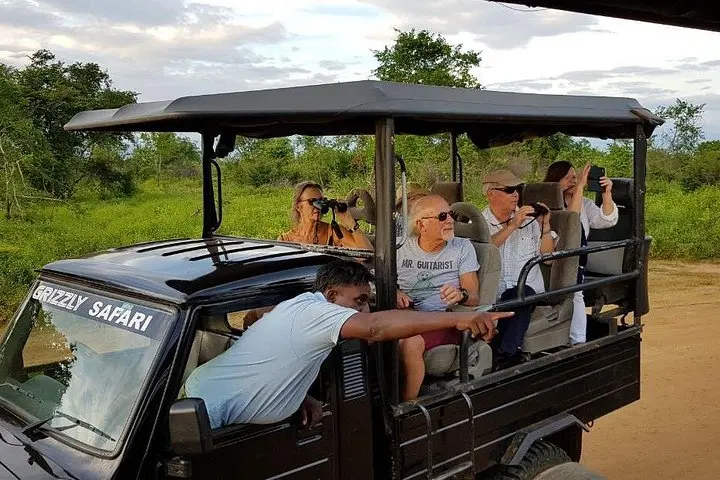
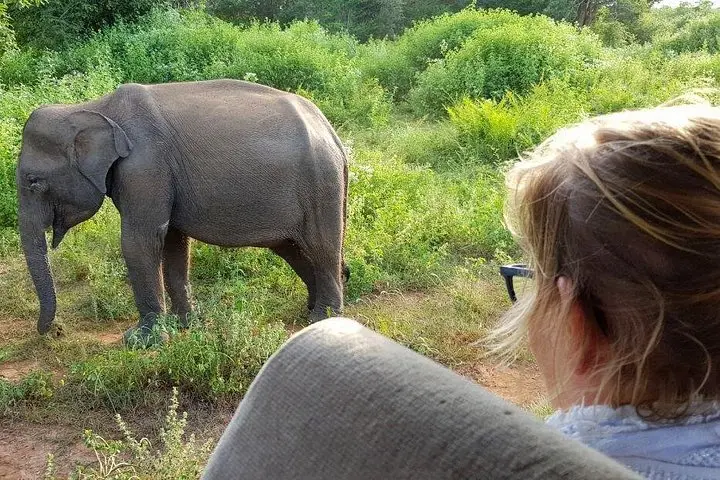
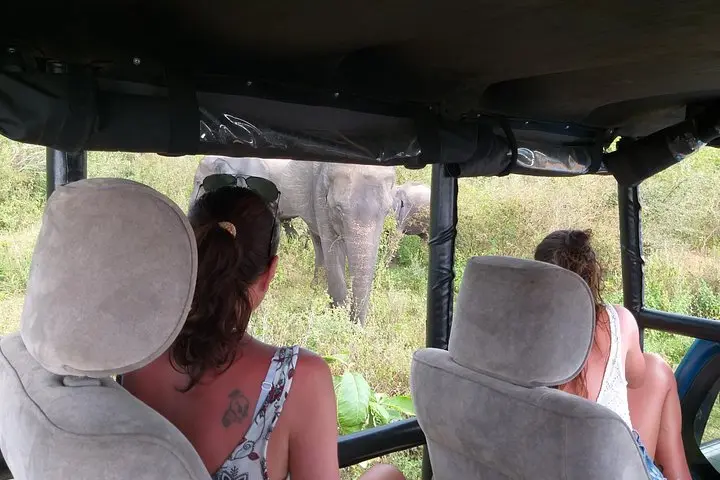
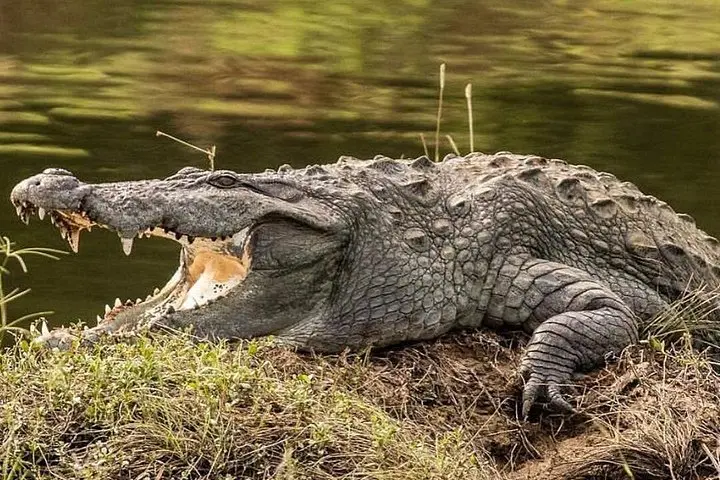
Early light slices across dry grass and an ocean breeze nudges the jeep as it rumbles into Yala’s Block I — the land here watches you back. Low scrub opens to broad salt flats and coastal thickets where elephants move like deliberate shadows and leopards slip between sunlit rocks.
Early light slices across dry grass and an ocean breeze nudges the jeep as it rumbles into Yala’s Block I — the land here watches you back. Low scrub opens to broad salt flats and coastal thickets where elephants move like deliberate shadows and leopards slip between sunlit rocks.
Yala National Park covers roughly 979 square kilometres on Sri Lanka’s southeastern coast, its geology shaped by coastal plains, sand belts and ancient river channels. Historically a hunting ground turned protected reserve, Yala now supports 44 mammal species and one of the world’s highest leopard densities; Block I is the most visited of five blocks. Local culture centers on small villages and temple shrines around Tissamaharama, where livelihoods balance tourism and subsistence farming.
Expect focused wildlife time rather than a hike: viewing is from an open or covered jeep across unpaved tracks, with stops to scan watering holes and shaded ridgelines. Morning and late-afternoon drives are best for leopard and elephant activity; midday heats and coastal winds quiet many animals.
Practical guidance: bring binoculars and a long-lens camera, neutral clothing to avoid startling wildlife, sun protection and insect repellent. Hydrate — bottled water is included on many tours — and be ready for bouncy roads; allow 7–8 hours for the round trip from Tissamaharama. Respect distance and the guide’s instructions: wildlife sightings are unpredictable, so patience and a steady lens yield the best moments.