THE ADVENTURE COLLECTIVE® · Independent discovery and booking for outdoor travel

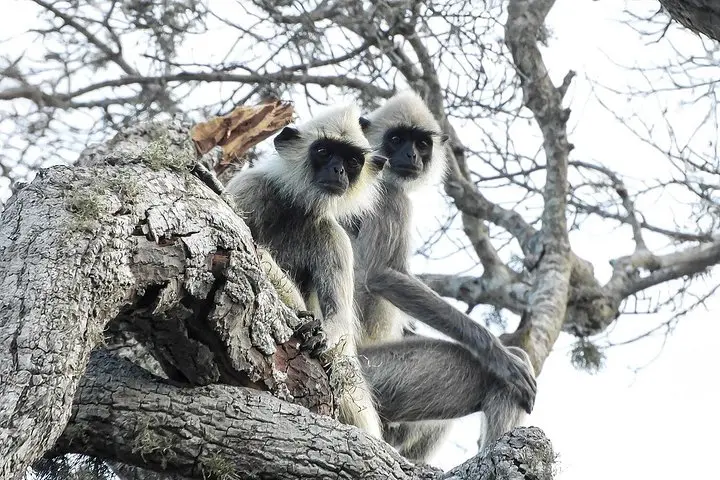
Ride open jeeps across Yala’s sunbaked plains and scrub, where leopards, elephants and hundreds of birds await. This shared safari from Tissamaharama pairs local guiding with manageable itineraries for photographers and wildlife lovers.
Ride open jeeps across Yala’s sunbaked plains and scrub, where leopards, elephants and hundreds of birds await. This shared safari from Tissamaharama pairs local guiding with manageable itineraries for photographers and wildlife lovers.
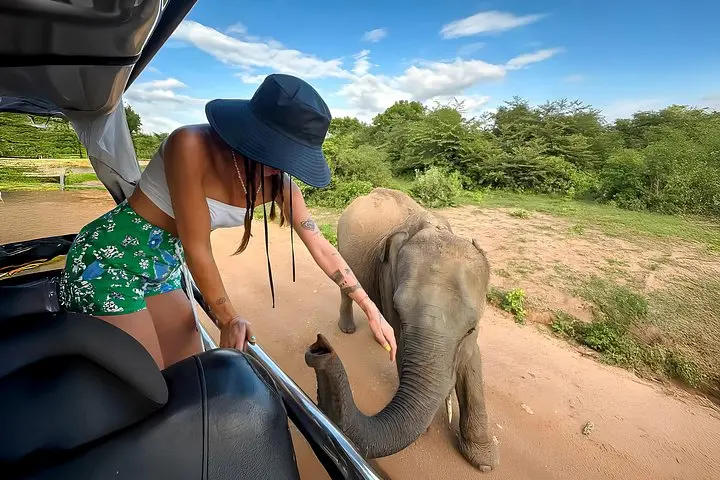
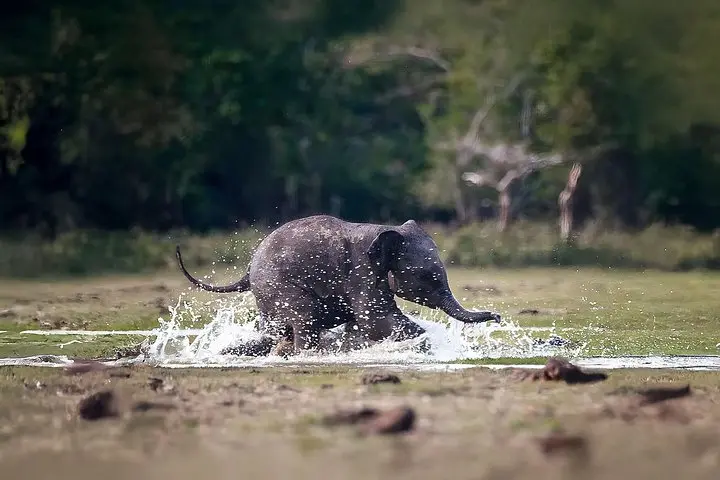
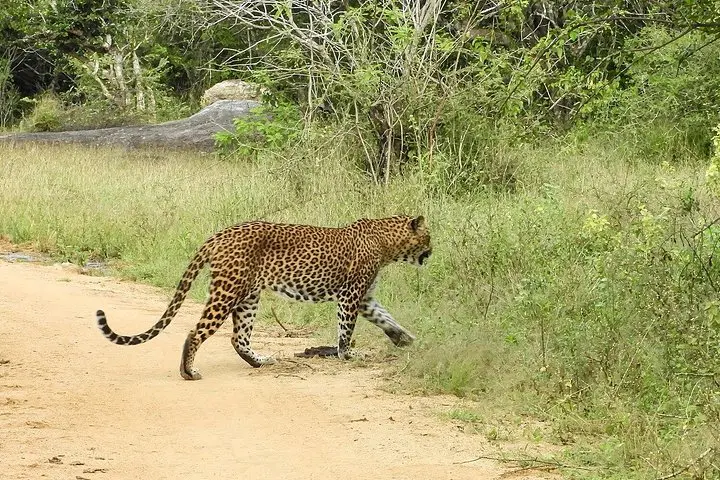
A low, golden sun cuts through flat grasslands as a row of open jeeps eases along a dusty track — the scent of sunbaked earth and salt from nearby lagoons hangs in the air. Drivers scan the horizon with practiced calm; birds flare and the scrub seems to hold its breath. This is Yala, where the landscape alternates between dry thorn forest, freshwater tanks and tidal lagoons, and every bend can reveal a leopard lounging on a boulder or elephants moving like slow dark islands across the plain.
Verified experiences and guided adventures in the surrounding area.
Operated by River Shade Yala Safari · Tissamaharama, Southern Province
A low, golden sun cuts through flat grasslands as a row of open jeeps eases along a dusty track — the scent of sunbaked earth and salt from nearby lagoons hangs in the air. Drivers scan the horizon with practiced calm; birds flare and the scrub seems to hold its breath. This is Yala, where the landscape alternates between dry thorn forest, freshwater tanks and tidal lagoons, and every bend can reveal a leopard lounging on a boulder or elephants moving like slow dark islands across the plain.
Yala National Park, designated in the early 20th century and expanded over decades, sits on fractured Miocene sediments that create the park’s rocky outcrops and pockets of dense scrub that leopards favor. The surrounding region is populated by rice farmers and fishing communities whose rhythms still follow monsoon cycles — you’ll pass small tanks and ancient bunds built for irrigation as you travel.
On a shared safari expect guided, small-group jeeps that balance sighting potential with comfort. Guides use local knowledge to read spoor and bird calls; mornings and late afternoons concentrate the best activity. Photography opportunities are excellent but fleeting — long lenses and steady hands matter.
Practical notes: dress in neutral, layered clothing for dust, bring a refillable water bottle, and keep noise low to improve sightings. Follow park rules about distance and never feed or approach animals. If you’re prone to motion sensitivity, choose a seat over the axle and ask your guide for a smoother route. With preparation and patience, a day here delivers some of South Asia’s most memorable wildlife encounters.
Yala is one of the best parks for leopard sightings in Asia; sightings aren’t guaranteed, but guided jeeps maximize chances by reading spoor and local patterns.
Most shared tours from Tissamaharama include pickup and drop-off; confirm pickup point and timing when you book.
Safaris are generally safe for all ages, but they require sitting through bumpy rides; infants must sit on laps per operator rules.
Neutral-colored, breathable layers, a hat, closed shoes for dust and a light jacket for cooler mornings or wind.
River Shade Yala Safari operates guided outdoor trips and adventures with an emphasis on safety, stewardship, and memorable experiences.
A low, golden sun cuts through flat grasslands as a row of open jeeps eases along a dusty track — the scent of sunbaked earth and salt from nearby lagoons hangs in the air. Drivers scan the horizon with practiced calm; birds flare and the scrub seems to hold its breath. This is Yala, where the landscape alternates between dry thorn forest, freshwater tanks and tidal lagoons, and every bend can reveal a leopard lounging on a boulder or elephants moving like slow dark islands across the plain.
A low, golden sun cuts through flat grasslands as a row of open jeeps eases along a dusty track — the scent of sunbaked earth and salt from nearby lagoons hangs in the air. Drivers scan the horizon with practiced calm; birds flare and the scrub seems to hold its breath. This is Yala, where the landscape alternates between dry thorn forest, freshwater tanks and tidal lagoons, and every bend can reveal a leopard lounging on a boulder or elephants moving like slow dark islands across the plain.
Yala National Park, designated in the early 20th century and expanded over decades, sits on fractured Miocene sediments that create the park’s rocky outcrops and pockets of dense scrub that leopards favor. The surrounding region is populated by rice farmers and fishing communities whose rhythms still follow monsoon cycles — you’ll pass small tanks and ancient bunds built for irrigation as you travel.
On a shared safari expect guided, small-group jeeps that balance sighting potential with comfort. Guides use local knowledge to read spoor and bird calls; mornings and late afternoons concentrate the best activity. Photography opportunities are excellent but fleeting — long lenses and steady hands matter.
Practical notes: dress in neutral, layered clothing for dust, bring a refillable water bottle, and keep noise low to improve sightings. Follow park rules about distance and never feed or approach animals. If you’re prone to motion sensitivity, choose a seat over the axle and ask your guide for a smoother route. With preparation and patience, a day here delivers some of South Asia’s most memorable wildlife encounters.