THE ADVENTURE COLLECTIVE® · Independent discovery and booking for outdoor travel

A five-day route from Mirissa’s coast to Yala’s plains offers layered wildlife viewing — leopards, elephants, birds — plus cultural stops like moonstone mines and stilt-fishing villages. This practical guide outlines what to expect, when to go, and how to prepare for the terrain and climate.
A five-day route from Mirissa’s coast to Yala’s plains offers layered wildlife viewing — leopards, elephants, birds — plus cultural stops like moonstone mines and stilt-fishing villages. This practical guide outlines what to expect, when to go, and how to prepare for the terrain and climate.
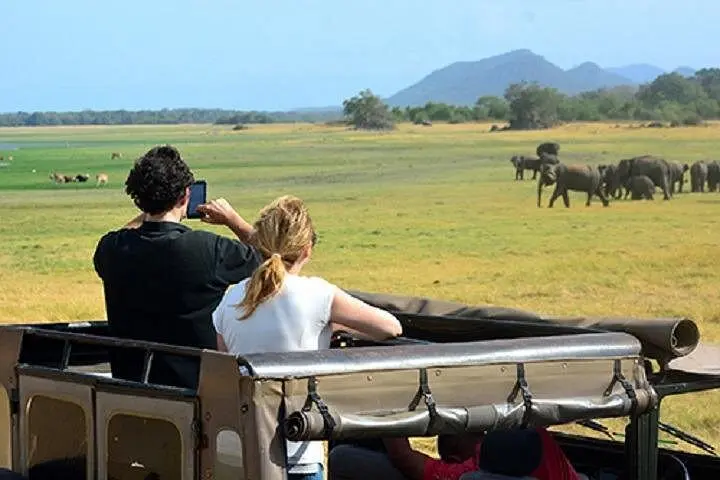
Morning light slices through dry teak and scrub as the jeep pushes off into Yala’s mosaic of grassland, forest and saltwater lagoons. Dust rises and settles; birds scatter like flint sparks. Over five days you move from Mirissa’s surf to Tissamaharama’s sleepy lanes, then into Yala’s open plains where a naturalist’s voice sharpens the hunt for shadowed shapes — leopard on a termite mound, elephant surveying a waterhole.
Verified experiences and guided adventures in the surrounding area.
Operated by stelaranholidays(pvt)Ltd · Tissamaharama, Southern Province
Morning light slices through dry teak and scrub as the jeep pushes off into Yala’s mosaic of grassland, forest and saltwater lagoons. Dust rises and settles; birds scatter like flint sparks. Over five days you move from Mirissa’s surf to Tissamaharama’s sleepy lanes, then into Yala’s open plains where a naturalist’s voice sharpens the hunt for shadowed shapes — leopard on a termite mound, elephant surveying a waterhole.
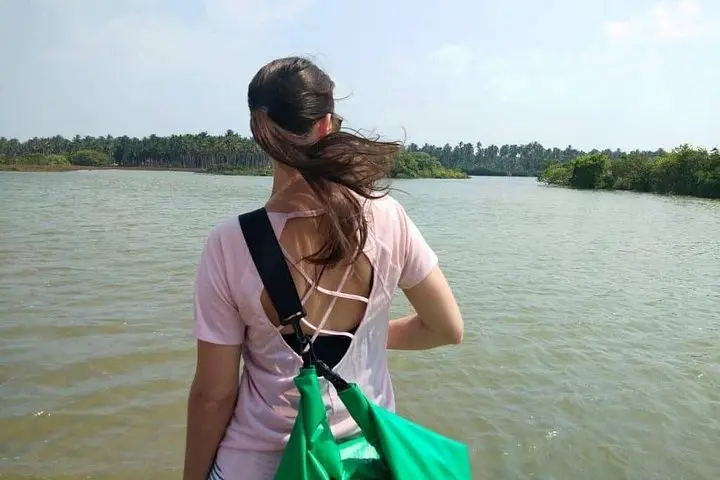
Yala is one of Sri Lanka’s oldest protected areas, established in the 20th century and known for its geologic mix of coastal sediments, freshwater marshes and granitic outcrops. The park’s coastline and interior lagoons feed local livelihoods: stilt fishermen and small-scale cinnamon growers share pages of the same coastal story. Cultural stops on the route — moonstone mines and colonial Galle — add human history to the wild script.
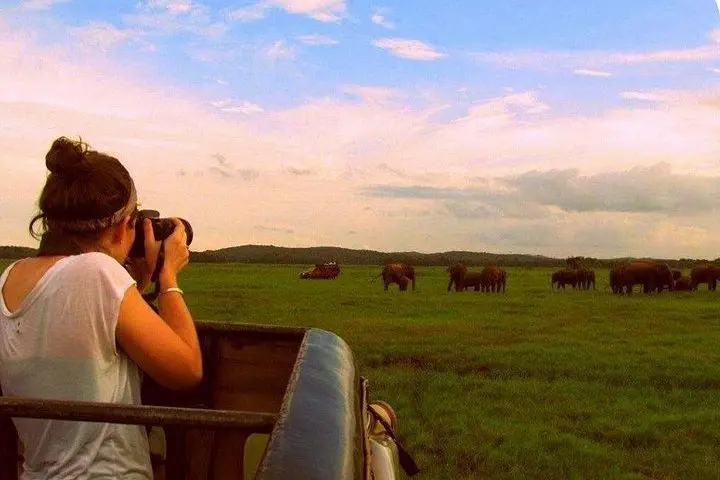
Expect multi-hour drives on rough tracks, early-morning game drives when animals are most active, and late afternoons that sharpen crocodiles’ silhouettes against fading light. Wildlife encounters are guided and observational; keep voices low, cameras ready, and electronics charged.
Practical tips: arrive with binoculars, sunscreen, and reusable water; wear neutral, sturdy footwear and layers for humid mornings and windy afternoons; carry local currency for entry fees and small purchases. Timing matters — the dry months concentrate wildlife around water. Above all, move deliberately and respectfully: the landscape has a steady rhythm and the animals decide when the show begins.
The dry season, roughly February–July, often concentrates animals near waterholes and increases odds of leopard sightings, though sightings can occur year-round.
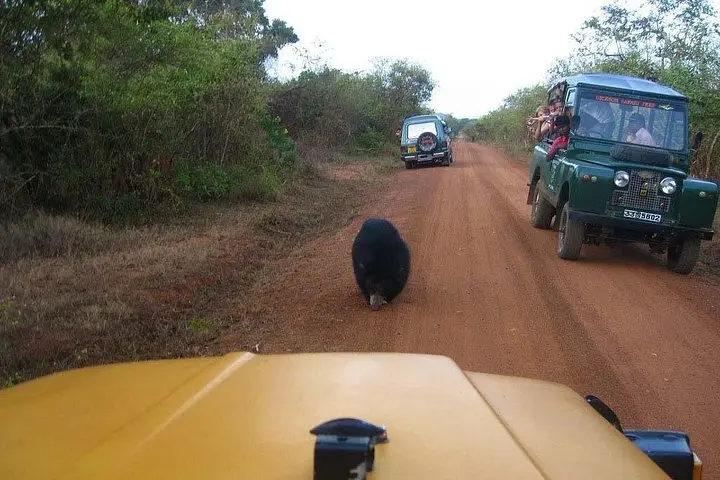
Yes — game drives use 4x4 jeeps to handle rough, rutted tracks and the varied terrain within the park.
Guided safaris are generally safe for children when they remain inside the vehicle and follow guide instructions; check age policies with the operator.
Expect a multi-hour transfer; Mirissa is closer on the southwest coast, while Colombo is a longer drive (often 4–6+ hours depending on traffic and route).
stelaranholidays(pvt)Ltd operates guided outdoor trips and adventures with an emphasis on safety, stewardship, and memorable experiences.
Morning light slices through dry teak and scrub as the jeep pushes off into Yala’s mosaic of grassland, forest and saltwater lagoons. Dust rises and settles; birds scatter like flint sparks. Over five days you move from Mirissa’s surf to Tissamaharama’s sleepy lanes, then into Yala’s open plains where a naturalist’s voice sharpens the hunt for shadowed shapes — leopard on a termite mound, elephant surveying a waterhole.
Morning light slices through dry teak and scrub as the jeep pushes off into Yala’s mosaic of grassland, forest and saltwater lagoons. Dust rises and settles; birds scatter like flint sparks. Over five days you move from Mirissa’s surf to Tissamaharama’s sleepy lanes, then into Yala’s open plains where a naturalist’s voice sharpens the hunt for shadowed shapes — leopard on a termite mound, elephant surveying a waterhole.
Yala is one of Sri Lanka’s oldest protected areas, established in the 20th century and known for its geologic mix of coastal sediments, freshwater marshes and granitic outcrops. The park’s coastline and interior lagoons feed local livelihoods: stilt fishermen and small-scale cinnamon growers share pages of the same coastal story. Cultural stops on the route — moonstone mines and colonial Galle — add human history to the wild script.
Expect multi-hour drives on rough tracks, early-morning game drives when animals are most active, and late afternoons that sharpen crocodiles’ silhouettes against fading light. Wildlife encounters are guided and observational; keep voices low, cameras ready, and electronics charged.
Practical tips: arrive with binoculars, sunscreen, and reusable water; wear neutral, sturdy footwear and layers for humid mornings and windy afternoons; carry local currency for entry fees and small purchases. Timing matters — the dry months concentrate wildlife around water. Above all, move deliberately and respectfully: the landscape has a steady rhythm and the animals decide when the show begins.