THE ADVENTURE COLLECTIVE® · Independent discovery and booking for outdoor travel

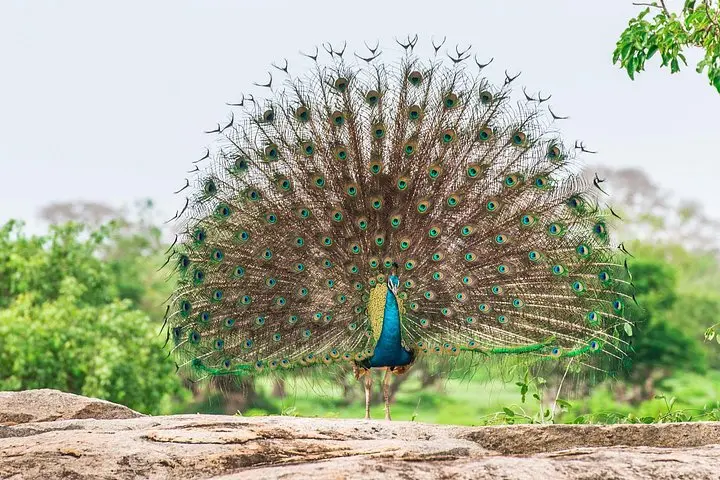
Head into Yala National Park from Hambantota for focused wildlife viewing—leopards, elephants and rich birdlife on a 4–6 hour jeep safari. Expect early starts, rugged tracks, and guided game drives during the dry season for the best sightings.
Head into Yala National Park from Hambantota for focused wildlife viewing—leopards, elephants and rich birdlife on a 4–6 hour jeep safari. Expect early starts, rugged tracks, and guided game drives during the dry season for the best sightings.
Dawn breaks over scrub forest and dry lagoons as your jeep rolls into Yala’s open plains—acacia crowns sifting gold light across dusty tracks while a guide scans the horizon. The air smells of salt and sun; distant waterholes glint like magnets for wildlife. On a morning safari here you trade the city’s rhythm for the patient pulse of the park, watching elephants cross a shallow pool or a leopard freeze on a termite mound as if deciding whether to vanish.
Verified experiences and guided adventures in the surrounding area.
Operated by Classical Lanka Tours · Hambantota, Southern Province
Dawn breaks over scrub forest and dry lagoons as your jeep rolls into Yala’s open plains—acacia crowns sifting gold light across dusty tracks while a guide scans the horizon. The air smells of salt and sun; distant waterholes glint like magnets for wildlife. On a morning safari here you trade the city’s rhythm for the patient pulse of the park, watching elephants cross a shallow pool or a leopard freeze on a termite mound as if deciding whether to vanish.
Yala is one of Sri Lanka’s oldest and most visited protected areas, shaped by coastal geology and seasonal monsoons that carve freshwater lagoons through dry monsoon forest. The park sits at the intersection of human history and wild country—ancient Buddhist ruins and rural villages sit within sight of open grasslands, reflecting long-standing cultural ties to the landscape.
Practical guidance: tours from Hambantota typically run 4–6 hours and use 4x4 jeeps with English-speaking trackers; binoculars and bottled water are commonly provided but bring your own for better optics. The best window for large-mammal sightings is the dry season, when animals concentrate at remaining water. Expect bumpy roads and early starts—light, neutral clothing that covers skin helps with sun and insects. Respect speed limits and your guide’s instructions: close approaches stress animals and may be fined by park authorities.
Timing, hydration, and patience matter more than speed. Bring a camera with a telephoto lens, keep voices low, and let the park reveal itself on its own timetable.
The dry season (roughly February to June) concentrates animals around waterholes and increases odds of seeing elephants and leopards.
Tours generally run 4–6 hours, including park entrance time and game drives; pickup and drop-off from Hambantota are usually included.
Jeep safaris can accommodate children and some limited mobility needs, but confirm vehicle access and infant seats with the operator in advance.
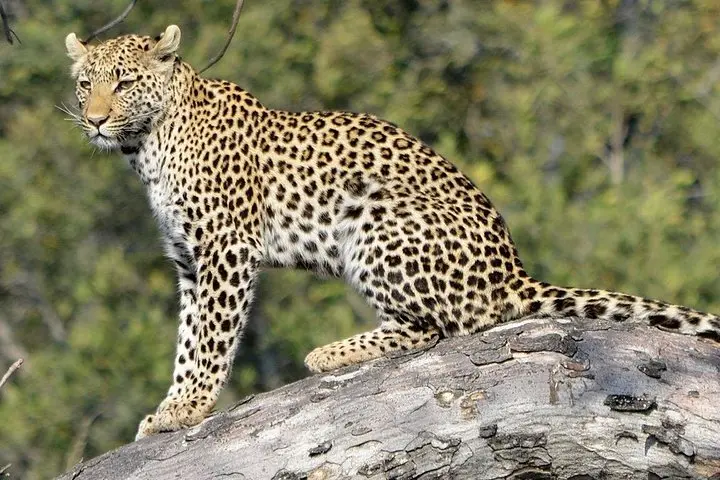
Common sightings include Asian elephants, spotted deer, waterbirds and a chance—though not guaranteed—of spotting the Sri Lankan leopard.
Classical Lanka Tours operates guided outdoor trips and adventures with an emphasis on safety, stewardship, and memorable experiences.
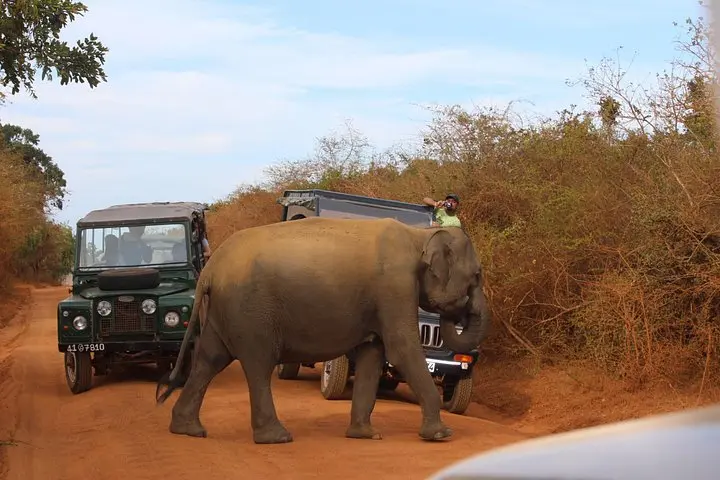
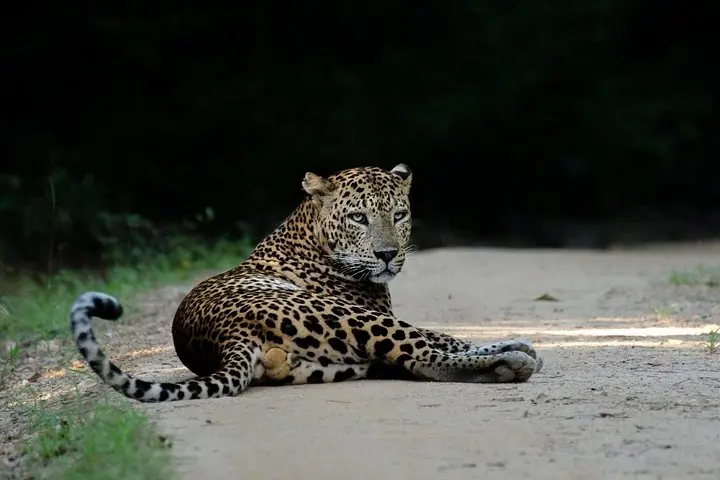
Dawn breaks over scrub forest and dry lagoons as your jeep rolls into Yala’s open plains—acacia crowns sifting gold light across dusty tracks while a guide scans the horizon. The air smells of salt and sun; distant waterholes glint like magnets for wildlife. On a morning safari here you trade the city’s rhythm for the patient pulse of the park, watching elephants cross a shallow pool or a leopard freeze on a termite mound as if deciding whether to vanish.
Dawn breaks over scrub forest and dry lagoons as your jeep rolls into Yala’s open plains—acacia crowns sifting gold light across dusty tracks while a guide scans the horizon. The air smells of salt and sun; distant waterholes glint like magnets for wildlife. On a morning safari here you trade the city’s rhythm for the patient pulse of the park, watching elephants cross a shallow pool or a leopard freeze on a termite mound as if deciding whether to vanish.
Yala is one of Sri Lanka’s oldest and most visited protected areas, shaped by coastal geology and seasonal monsoons that carve freshwater lagoons through dry monsoon forest. The park sits at the intersection of human history and wild country—ancient Buddhist ruins and rural villages sit within sight of open grasslands, reflecting long-standing cultural ties to the landscape.
Practical guidance: tours from Hambantota typically run 4–6 hours and use 4x4 jeeps with English-speaking trackers; binoculars and bottled water are commonly provided but bring your own for better optics. The best window for large-mammal sightings is the dry season, when animals concentrate at remaining water. Expect bumpy roads and early starts—light, neutral clothing that covers skin helps with sun and insects. Respect speed limits and your guide’s instructions: close approaches stress animals and may be fined by park authorities.
Timing, hydration, and patience matter more than speed. Bring a camera with a telephoto lens, keep voices low, and let the park reveal itself on its own timetable.