THE ADVENTURE COLLECTIVE® · Independent discovery and booking for outdoor travel

Drive into Yala’s open plains and shaded scrub on a 4x4 safari that prioritizes leopard sighting and responsible viewing. Learn when to go, what to bring and how local guides turn spoor into sightings.
Drive into Yala’s open plains and shaded scrub on a 4x4 safari that prioritizes leopard sighting and responsible viewing. Learn when to go, what to bring and how local guides turn spoor into sightings.
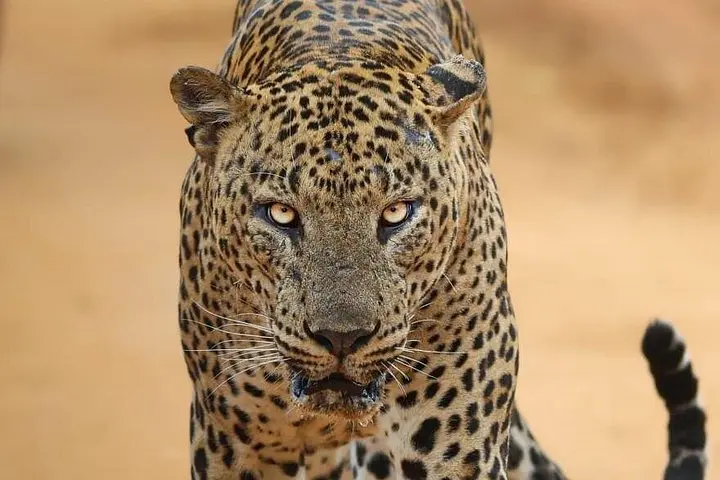
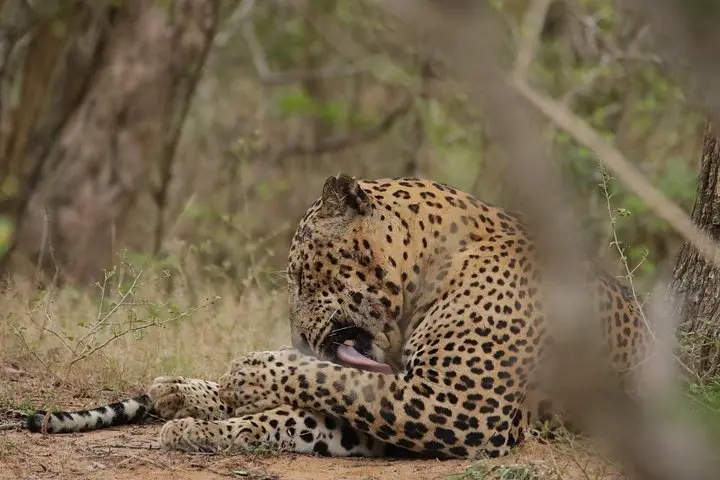
Dawn light hits the dry grass and the jeep rolls softly between thorn scrub and open lagoons. The air smells faintly of salt and sun-warmed earth; birds call from acacia branches while the guide scans for the shimmer of a leopard’s eyes. Whether you take a morning run or an afternoon sweep, Yala’s rhythm is patient: wildlife decides the show, and the vehicle is your vantage point.
Verified experiences and guided adventures in the surrounding area.
Operated by Yala Safari - Group Safari - Private Safari Tours by WanderLuxe · Tissamaharama, Southern Province
Dawn light hits the dry grass and the jeep rolls softly between thorn scrub and open lagoons. The air smells faintly of salt and sun-warmed earth; birds call from acacia branches while the guide scans for the shimmer of a leopard’s eyes. Whether you take a morning run or an afternoon sweep, Yala’s rhythm is patient: wildlife decides the show, and the vehicle is your vantage point.
Yala sits on Sri Lanka’s southeastern coast where Miocene sediments and coastal plains shape flat grasslands, scrub forests and tidal lagoons. The park’s human history ranges from ancient irrigation around Tissamaharama to colonial-era cinnamon routes; today local communities work with reserves to manage grazing and tourism. Geologically, the mix of lateritic soils and coastal sediment creates pockets of dense cover that leopards favor.
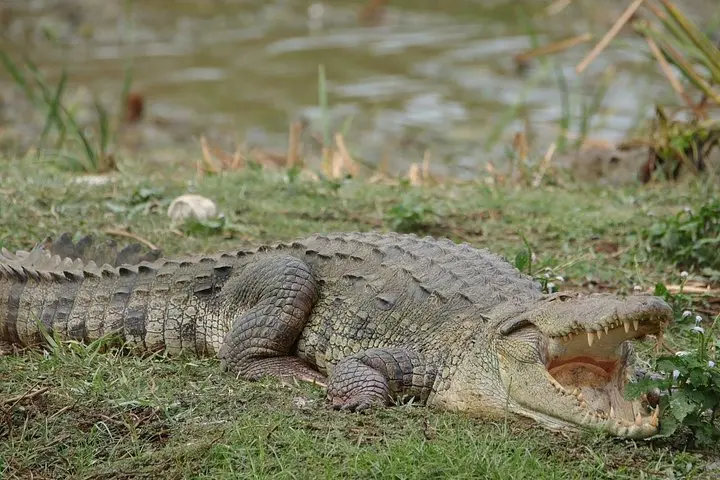
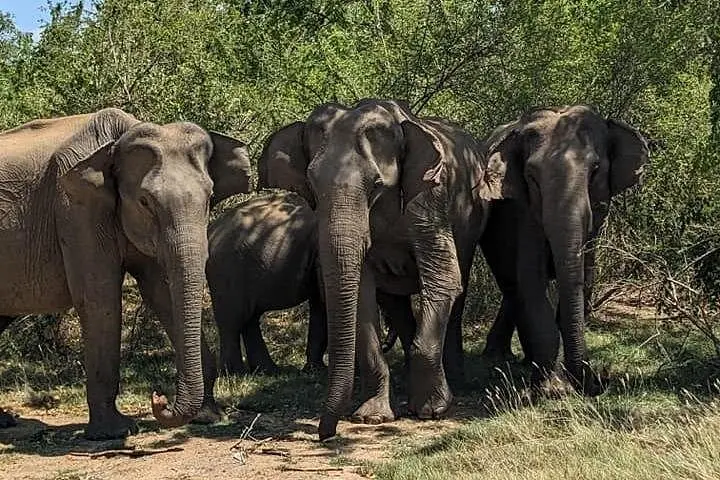
Expect to see elephants at watering holes, axis deer on plains and a dense bird list including painted storks. Guides read spoor and thermals the way sailors read wind — movement, not noise, tells the story here. Conservation pressures mean operators emphasize low-impact viewing and staying inside vehicles.
Practical guidance: tours run 4–5 hours with bumpy tracks—bring motion-sickness meds if you’re sensitive. Early morning increases leopard chances; late afternoon brings active elephants and a warm light for photography. Wear neutral clothing, sturdy closed shoes, sun protection and carry water and binoculars. Follow your guide’s direction: distance rules and quiet observation improve sighting odds and protect wildlife. With patience and preparation, a Yala safari is less a checklist than a paced encounter with a wild, watchful landscape.
Safaris typically run about 4–5 hours, matching either a morning or afternoon window.
Yes—infant seats are available but check provider age restrictions and book accordingly.
Sightings are likely but not guaranteed; Yala has one of the world’s higher leopard densities, and experienced guides maximize chances.
Admission is usually separate from the vehicle booking—confirm with the operator before arrival.
Yala Safari - Group Safari - Private Safari Tours by WanderLuxe operates guided outdoor trips and adventures with an emphasis on safety, stewardship, and memorable experiences.
Dawn light hits the dry grass and the jeep rolls softly between thorn scrub and open lagoons. The air smells faintly of salt and sun-warmed earth; birds call from acacia branches while the guide scans for the shimmer of a leopard’s eyes. Whether you take a morning run or an afternoon sweep, Yala’s rhythm is patient: wildlife decides the show, and the vehicle is your vantage point.
Dawn light hits the dry grass and the jeep rolls softly between thorn scrub and open lagoons. The air smells faintly of salt and sun-warmed earth; birds call from acacia branches while the guide scans for the shimmer of a leopard’s eyes. Whether you take a morning run or an afternoon sweep, Yala’s rhythm is patient: wildlife decides the show, and the vehicle is your vantage point.
Yala sits on Sri Lanka’s southeastern coast where Miocene sediments and coastal plains shape flat grasslands, scrub forests and tidal lagoons. The park’s human history ranges from ancient irrigation around Tissamaharama to colonial-era cinnamon routes; today local communities work with reserves to manage grazing and tourism. Geologically, the mix of lateritic soils and coastal sediment creates pockets of dense cover that leopards favor.
Expect to see elephants at watering holes, axis deer on plains and a dense bird list including painted storks. Guides read spoor and thermals the way sailors read wind — movement, not noise, tells the story here. Conservation pressures mean operators emphasize low-impact viewing and staying inside vehicles.
Practical guidance: tours run 4–5 hours with bumpy tracks—bring motion-sickness meds if you’re sensitive. Early morning increases leopard chances; late afternoon brings active elephants and a warm light for photography. Wear neutral clothing, sturdy closed shoes, sun protection and carry water and binoculars. Follow your guide’s direction: distance rules and quiet observation improve sighting odds and protect wildlife. With patience and preparation, a Yala safari is less a checklist than a paced encounter with a wild, watchful landscape.