THE ADVENTURE COLLECTIVE® · Independent discovery and booking for outdoor travel

Private three-hour jeep safaris through Yala’s dry forests, lagoons and plains put you close to leopards, elephants and water birds. Morning departures offer the best light and wildlife activity for photography and viewing.
Private three-hour jeep safaris through Yala’s dry forests, lagoons and plains put you close to leopards, elephants and water birds. Morning departures offer the best light and wildlife activity for photography and viewing.
A low sun pricks the horizon as a quartet of jeeps slides over dust and broken rock, the scrub opening into shallow lagoons where water birds wheel and call. The driver eases the engine; the air smells of dry grass warmed by the day. In a private open-top jeep you move deliberately through Yala’s mosaic of dry thorn forest, grassy plains and salt pans, each landscape giving up a different cast of creatures.
Verified experiences and guided adventures in the surrounding area.
Operated by Train Journeys in Sri Lanka · Tissamaharama, Southern Province
A low sun pricks the horizon as a quartet of jeeps slides over dust and broken rock, the scrub opening into shallow lagoons where water birds wheel and call. The driver eases the engine; the air smells of dry grass warmed by the day. In a private open-top jeep you move deliberately through Yala’s mosaic of dry thorn forest, grassy plains and salt pans, each landscape giving up a different cast of creatures.
Yala is one of Sri Lanka’s earliest protected areas and the country’s second-largest national park, straddling Southern and Uva provinces. Geologically it sits on coastal plains of ancient sedimentary deposits; its mix of freshwater and brackish lagoons shapes the park’s wildlife communities. The area is culturally active too—two historic pilgrim sites sit on the park’s margins, used for centuries by local devotees.
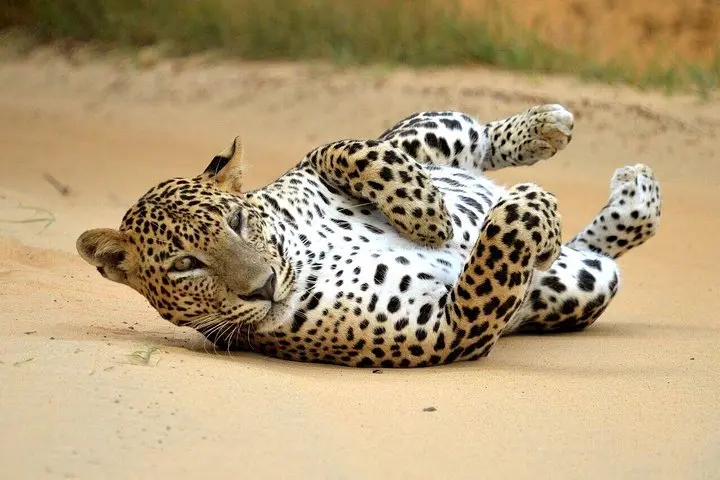
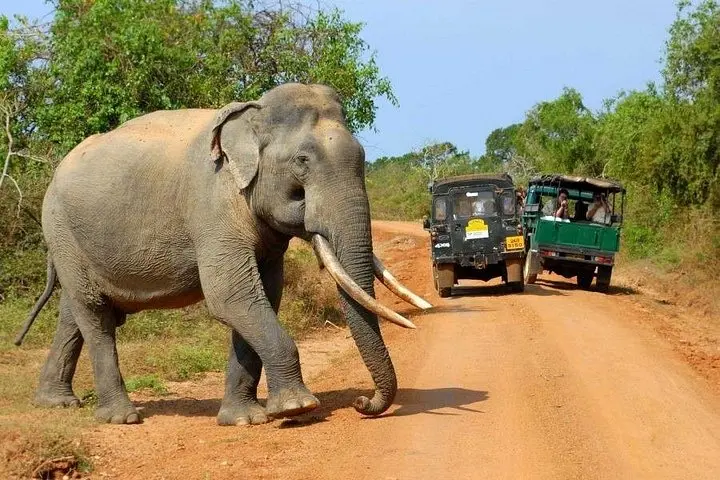
On a three-hour private safari you’ll seek large mammals—Sri Lankan leopards, elephants, spotted deer—and an array of wetland and dry-zone birds. Best months for leopard sightings tend to run January through July when grasses are lower and animals concentrate around water.
Practical tip: choose an early-morning departure for softer light and cooler temperatures; afternoon drives can be warm and dusty. Expect bumpy, unpaved tracks and frequent stops; remain seated and keep camera gear secure. Bring sun protection, insect repellent, binoculars and a charged camera battery. Follow your guide’s instructions, stay on designated routes and respect wildlife distance—this preserves both the animals and the chance of an unforgettable sighting.
Sightings are most frequent January–July when lower grass and concentrated water sources make predators easier to locate.
Yes—private jeeps and short drives accommodate a wide range of ages, but those with back or heart issues should consult their doctor due to bumpy terrain.
Private jeeps are provided with park entrance and driver; independent vehicles are restricted—arrange transport through licensed operators.
Remain in the vehicle unless instructed, keep noise low, do not feed animals and obey your guide to minimize disturbance.
Train Journeys in Sri Lanka operates guided outdoor trips and adventures with an emphasis on safety, stewardship, and memorable experiences.
A low sun pricks the horizon as a quartet of jeeps slides over dust and broken rock, the scrub opening into shallow lagoons where water birds wheel and call. The driver eases the engine; the air smells of dry grass warmed by the day. In a private open-top jeep you move deliberately through Yala’s mosaic of dry thorn forest, grassy plains and salt pans, each landscape giving up a different cast of creatures.
A low sun pricks the horizon as a quartet of jeeps slides over dust and broken rock, the scrub opening into shallow lagoons where water birds wheel and call. The driver eases the engine; the air smells of dry grass warmed by the day. In a private open-top jeep you move deliberately through Yala’s mosaic of dry thorn forest, grassy plains and salt pans, each landscape giving up a different cast of creatures.
Yala is one of Sri Lanka’s earliest protected areas and the country’s second-largest national park, straddling Southern and Uva provinces. Geologically it sits on coastal plains of ancient sedimentary deposits; its mix of freshwater and brackish lagoons shapes the park’s wildlife communities. The area is culturally active too—two historic pilgrim sites sit on the park’s margins, used for centuries by local devotees.
On a three-hour private safari you’ll seek large mammals—Sri Lankan leopards, elephants, spotted deer—and an array of wetland and dry-zone birds. Best months for leopard sightings tend to run January through July when grasses are lower and animals concentrate around water.
Practical tip: choose an early-morning departure for softer light and cooler temperatures; afternoon drives can be warm and dusty. Expect bumpy, unpaved tracks and frequent stops; remain seated and keep camera gear secure. Bring sun protection, insect repellent, binoculars and a charged camera battery. Follow your guide’s instructions, stay on designated routes and respect wildlife distance—this preserves both the animals and the chance of an unforgettable sighting.