THE ADVENTURE COLLECTIVE® · Independent discovery and booking for outdoor travel

Spend a half or full day tracking leopards, elephants and wetland birds across Yala National Park in an open Jeep. This guide covers what to expect, local context, and practical tips to make the most of your safari.
Spend a half or full day tracking leopards, elephants and wetland birds across Yala National Park in an open Jeep. This guide covers what to expect, local context, and practical tips to make the most of your safari.
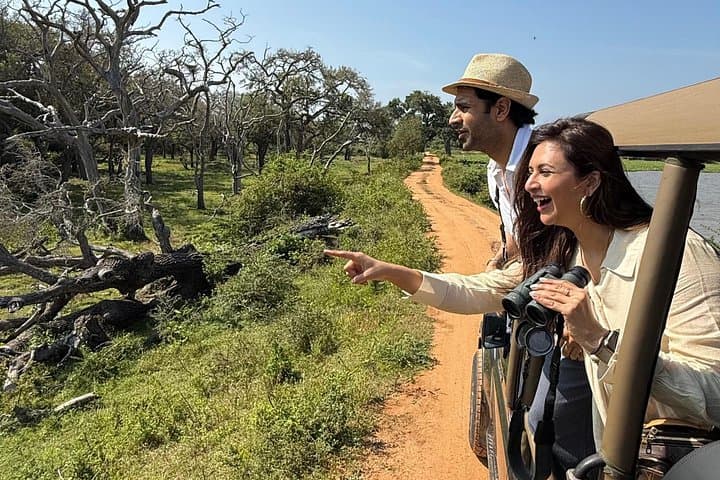
Early light strips the scrub into bands of gold and shadow; a Toyota jeep crunches over rutted track and the palms lean as if watching. You’re moving through Yala’s dry zone — thorn forest, open grasslands and tidal lagoons that pulse with life — and every stop feels like a page turning.
Verified experiences and guided adventures in the surrounding area.
Operated by Ceylon Leopard Safari Yala · Tissamaharama, Southern Province
Early light strips the scrub into bands of gold and shadow; a Toyota jeep crunches over rutted track and the palms lean as if watching. You’re moving through Yala’s dry zone — thorn forest, open grasslands and tidal lagoons that pulse with life — and every stop feels like a page turning.
Yala, designated a national park in 1938, sits on Sri Lanka’s southeastern coast where Miocene sediments and coastal plains shape a mosaic of wetlands and rocky outcrops. The park’s human history runs deep: ancient irrigation works and Buddhist shrines lie within a landscape long used by local communities for grazing and fishing. Guides here speak of seasonal elephant corridors, of colonial-era game records, and of the delicate balance between people and predators.
On a half‑ or full‑day jeep safari you’ll learn to read the terrain: dry tanks (seasonal ponds) that lure herds, dense shrub where leopards crouch, and sun-baked sandbanks hosting crocodiles. Wildlife encounters are timed by weather and water — dry months tighten sightlines and concentrate animals.
Practical guidance: wear breathable layers, bring a sun hat and 1–2 liters of water, and keep cameras ready with zoom lenses. Expect bumpy roads and long stretches of vehicle observation; follow your guide’s instruction on approach distances and photography. Park entry tickets are purchased at the gate; operator pickups from nearby towns simplify logistics.
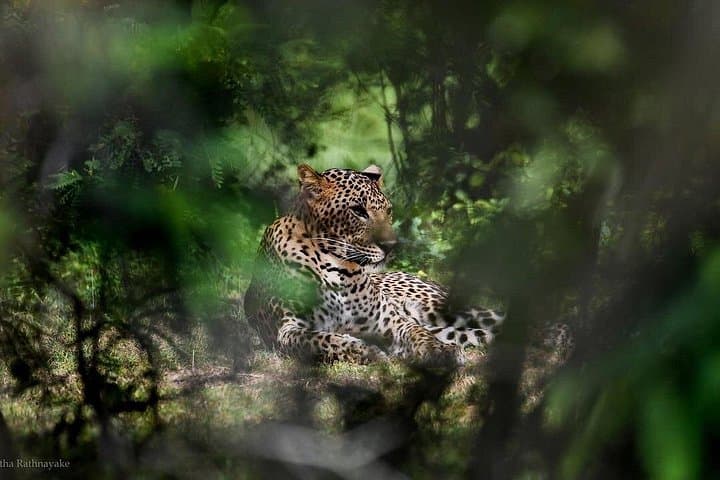
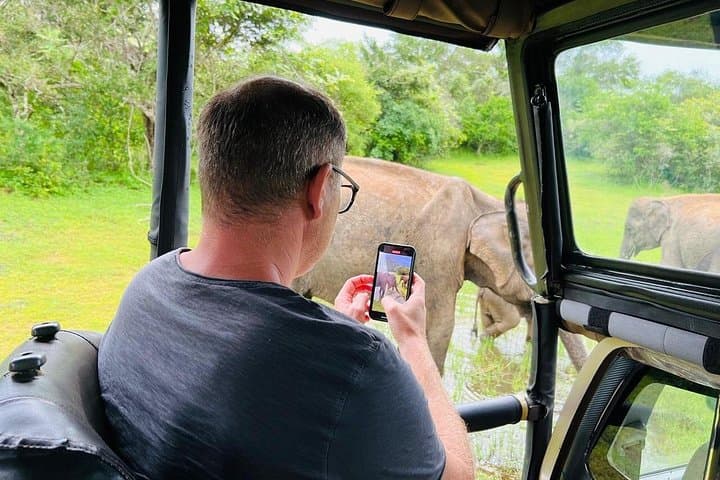
This is a safari built around patient observation: move quietly, let the landscape reveal itself, and be prepared for sudden, unforgettable moments — a leopard stepping from shade, an elephant shirking into the light.
No — entrance fees are paid at the Yala park counter; bring local currency and your passport to purchase tickets.
Common sightings include elephants, deer, sloth bears, crocodiles and many waterbirds; leopards are a highlight but sightings are not guaranteed.
Early morning and late afternoon increase chances for active big mammals and cooler lighting for photography.
Infant seats may be available, but safaris are not recommended for pregnant travelers or people with serious back or heart conditions due to rough terrain.
Ceylon Leopard Safari Yala operates guided outdoor trips and adventures with an emphasis on safety, stewardship, and memorable experiences.

Early light strips the scrub into bands of gold and shadow; a Toyota jeep crunches over rutted track and the palms lean as if watching. You’re moving through Yala’s dry zone — thorn forest, open grasslands and tidal lagoons that pulse with life — and every stop feels like a page turning.
Early light strips the scrub into bands of gold and shadow; a Toyota jeep crunches over rutted track and the palms lean as if watching. You’re moving through Yala’s dry zone — thorn forest, open grasslands and tidal lagoons that pulse with life — and every stop feels like a page turning.
Yala, designated a national park in 1938, sits on Sri Lanka’s southeastern coast where Miocene sediments and coastal plains shape a mosaic of wetlands and rocky outcrops. The park’s human history runs deep: ancient irrigation works and Buddhist shrines lie within a landscape long used by local communities for grazing and fishing. Guides here speak of seasonal elephant corridors, of colonial-era game records, and of the delicate balance between people and predators.
On a half‑ or full‑day jeep safari you’ll learn to read the terrain: dry tanks (seasonal ponds) that lure herds, dense shrub where leopards crouch, and sun-baked sandbanks hosting crocodiles. Wildlife encounters are timed by weather and water — dry months tighten sightlines and concentrate animals.
Practical guidance: wear breathable layers, bring a sun hat and 1–2 liters of water, and keep cameras ready with zoom lenses. Expect bumpy roads and long stretches of vehicle observation; follow your guide’s instruction on approach distances and photography. Park entry tickets are purchased at the gate; operator pickups from nearby towns simplify logistics.
This is a safari built around patient observation: move quietly, let the landscape reveal itself, and be prepared for sudden, unforgettable moments — a leopard stepping from shade, an elephant shirking into the light.