THE ADVENTURE COLLECTIVE® · Independent discovery and booking for outdoor travel

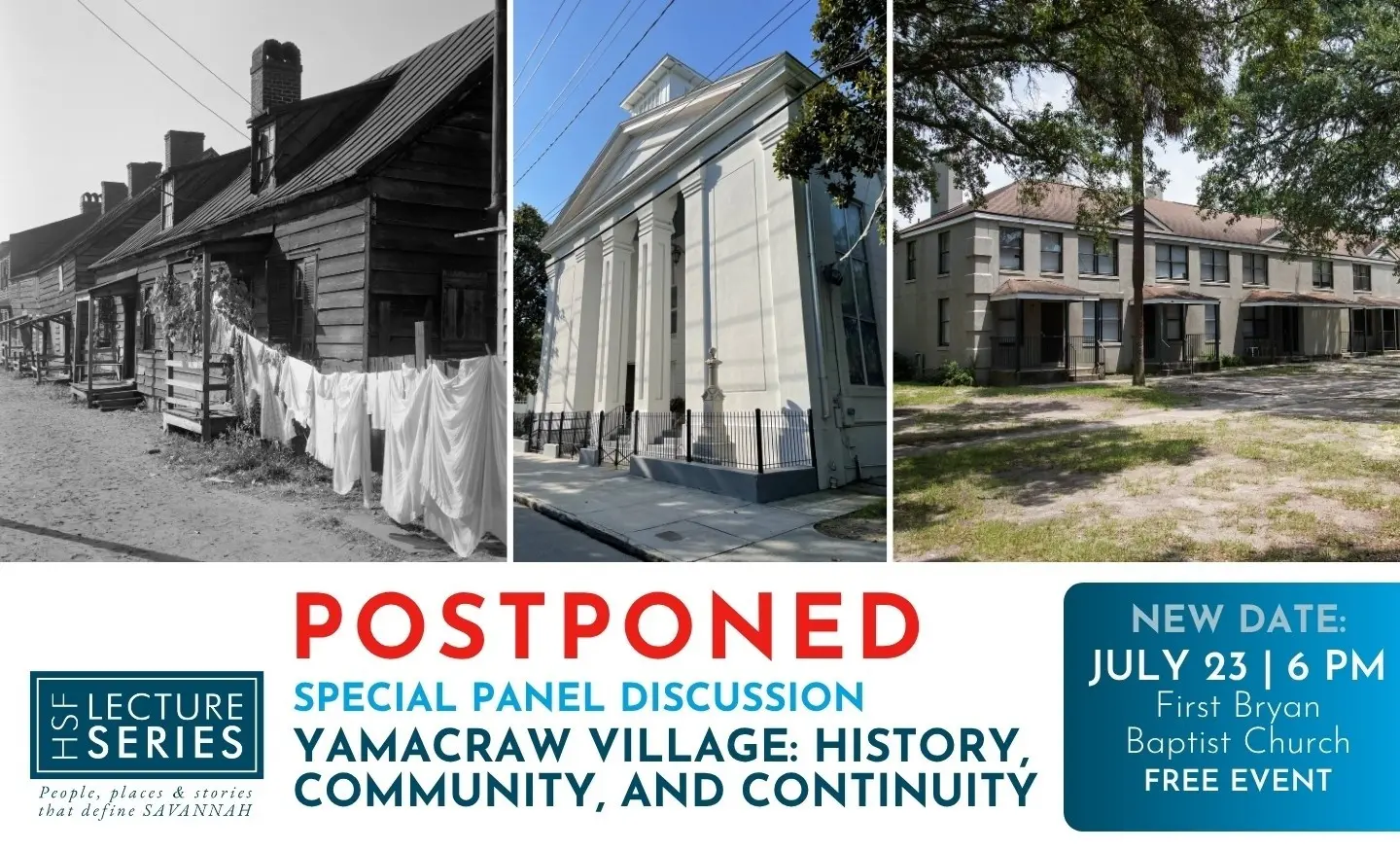
Join HSF at First Bryan Baptist Church in Savannah for a timely public panel on Yamacraw Village—its roots, the 20th-century clearance, and the community-led fight over preservation. Free to the public with pre-registration, the panel offers local context you won’t get from a brochure.
Join HSF at First Bryan Baptist Church in Savannah for a timely public panel on Yamacraw Village—its roots, the 20th-century clearance, and the community-led fight over preservation. Free to the public with pre-registration, the panel offers local context you won’t get from a brochure.
Book with Davenport House Museum
Verified experiences and guided adventures in the surrounding area.
Operated by Davenport House Museum · Savannah, Georgia
First Bryan Baptist Church at 575 W. Bryan Street in Savannah, Georgia, frames a living chapter of Yamacraw Village — an 18th- to early 20th-century neighborhood whose history is essential to understanding the city’s Black heritage. On Thursday, June 18, HSF brings together legal advocates, preservationists, community leaders, and historians for a public panel titled "Yamacraw Village: History, Community, and Continuity." Doors open at 5:30 p.m.; the conversation begins at 6:00 p.m. in the Sanctuary.
The event gathers David Sunshine Hamburger of Georgia Legal Services, Shana Williams from the Yamacraw Residents Council, Ellie Isaacs of Landmark Preservation Consulting, LLC., and Georgia Benton, Historian for First Bryan Baptist Church, with moderation by Collier Neeley, HSF’s CEO & President. Together they trace Yamacraw’s arc: origins tied to the Brampton Plantation and the founding of First Bryan by Andrew Bryan in 1788, waves of growth through the 19th century, the 1939 clearance of a multicultural neighborhood, and the 1941 construction of one of the nation’s earliest federally funded public housing projects. That complex now faces planned demolition and redevelopment, making this conversation urgent for residents and preservationists alike.
Visit for more than the lecture: the church itself is a distinctive architectural and spiritual anchor — its Sanctuary offers woodwork, period stained glass, and a congregational history that predates much of American institutional memory. The panel puts human faces on policy: legal strategies, resident advocacy, preservation practice, and the faith-based continuity that sustained Yamacraw through displacement and change.
Practical details are concise: the talk is free and open to the public; pre-registration is encouraged at www.myhsf.org/events/lecture-series/. Expect a 90-minute program in a sanctuary setting; seating may be limited, so arrive early for best views. This is a community-forward event; listen for resident testimony and bring questions—there’s a distinct chance to connect with local advocates and learn concrete ways to support preservation.
First Bryan’s lineage traces to Andrew Bryan, who founded the congregation in 1788 while enslaved at Brampton Plantation; that history gives the site a rare continuity of worship and civic life that outlived neighborhood erasures. HSF’s panel series uses this community context to explore how preservation intersects with legal advocacy and resident-led organizing. With a seating capacity for 250 and a sanctuary designed to focus conversation, attendees leave informed and connected — often with concrete next steps to support preservation campaigns or volunteer with local residents’ groups.
Why book a trip around it? Savannah’s National Historic District rewards slow attention: attending this panel reframes the city’s streets as contested landscape, where architecture, housing policy, and faith intersect. For travelers who care about social histories as much as cobblestones and oaks, this program is a rare, on-the-ground briefing about living heritage and local stewardship.
Yes. The panel is free and open to the public, though pre-registration is encouraged at www.myhsf.org/events/lecture-series/.
The discussion will take place in the Sanctuary at First Bryan Baptist Church located at 575 W. Bryan Street, Savannah, GA 31401.
Doors open at 5:30 p.m. and the panel discussion begins at 6:00 p.m.
No age restrictions are listed; families are welcome, but note the program is lecture-style and lasts about 90 minutes.
Photography policies may vary; please follow guidance from event staff or ushers and be respectful of worship practices and attendees.
The venue lists a group size of approximately 250, so seating may be limited — register early and arrive promptly.
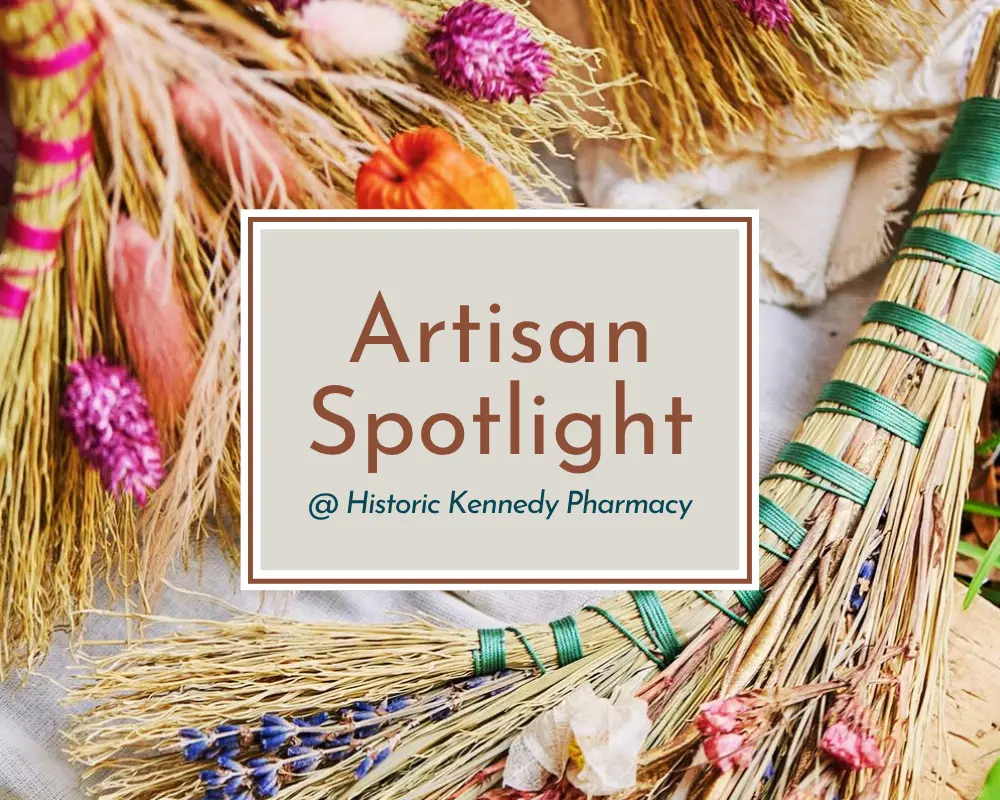
Davenport House Museum in Savannah, GA, preserves and interprets a finely restored Federal-style home built in 1820. The museum offers guided tours, self-guided visits, workshops, seasonal festivals, and educational events that highlight domestic life, architectural preservation, and community history. Knowledgeable docents lead guided tours through elegantly furnished rooms while sharing documented stories of the Davenport family and the 13 enslaved workers who lived and worked at the house. The museum also presents shorter programs such as the Old Chan Magic Talks that illuminate the building’s time as a tenement and its connection to Savannah’s Chinese-American Chan family. Hands-on offerings include broom making and seasonal craft workshops, plus collaborative public events like the Davenport House Fall Arts Festival and Holiday Wreath Decorating held nearby in Columbia Square and at the Historic Kennedy Pharmacy. Visitors can choose a self-guided tour across the first three floors to explore architecture and exhibition panels at their own pace, or attend specialized demonstrations and family-focused preservation activities. Davenport House Museum documents ongoing conservation efforts and engages visitors with visible preservation work and interpretive signage. The site maintains archival records and educational resources to support research and school programs. As an established historic house museum in Savannah’s historic district, Davenport House Museum partners with local cultural organizations and relies on trained staff and volunteers to ensure accurate, responsibly presented history for scholars, families, and visitors seeking an authentic window into early 19th-century Savannah life. Programming is suitable for researchers, students, families, and cultural heritage visitors and scholars.
Book with Davenport House Museum