THE ADVENTURE COLLECTIVE® · Independent discovery and booking for outdoor travel

Combine easy urban cycling with a curated street-food crawl across the Yangon River. This 4–5 hour Bike & Bite tour moves from ferry crossings to neighborhood tea shops, pairing local history with hands-on tasting.
Combine easy urban cycling with a curated street-food crawl across the Yangon River. This 4–5 hour Bike & Bite tour moves from ferry crossings to neighborhood tea shops, pairing local history with hands-on tasting.
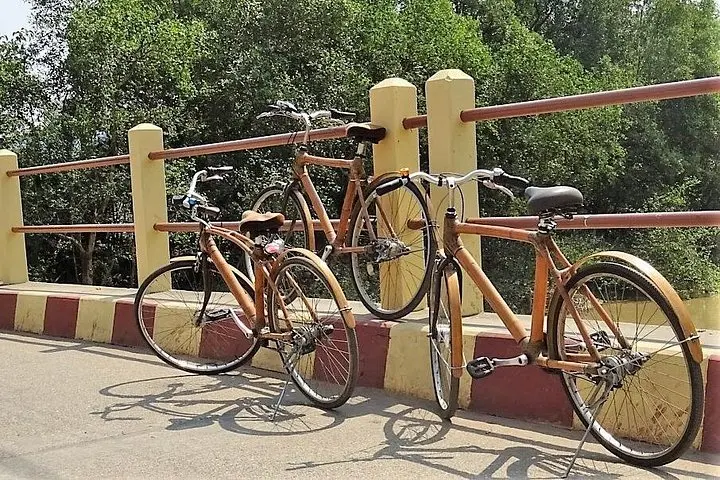
You push through humid air at first light, the Yangon River nudging the ferry as it slides toward Dala. Pedals click, tires hum over concrete lanes and dirt alleys; the city’s early tea shops exhale the smell of fresh tea and fried snacks. The ride moves like a local pulse—part commuter route, part open-air market.
Verified experiences and guided adventures in the surrounding area.
Operated by Bamboo Bicycle Tours Myanmar · Yangon, Yangon Region
You push through humid air at first light, the Yangon River nudging the ferry as it slides toward Dala. Pedals click, tires hum over concrete lanes and dirt alleys; the city’s early tea shops exhale the smell of fresh tea and fried snacks. The ride moves like a local pulse—part commuter route, part open-air market.
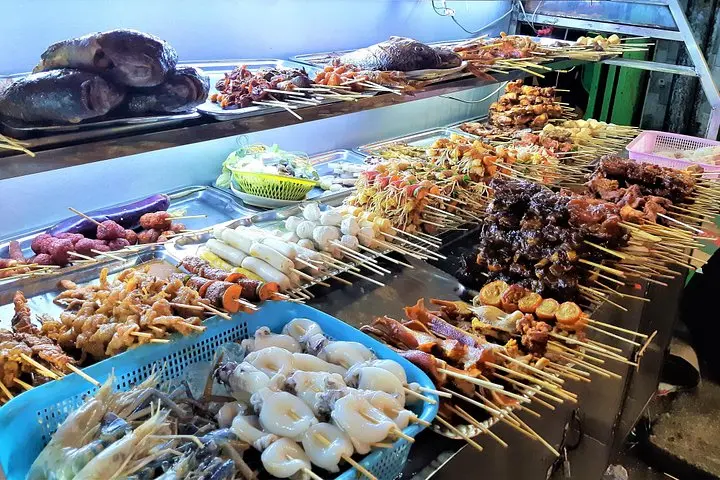
Yangon’s story is visible in the streets: British-era buildings, Burmese teak and corrugated iron, and a river that has long shaped livelihoods. Geologically the region is flat delta plain, so expect straightforward gradients rather than steep climbs. Culturally, tea-shop etiquette and shared plates matter—the tour threads through neighborhood food stalls where mohinga, samosas, and tea leaf salad chart Myanmar’s layered influences.
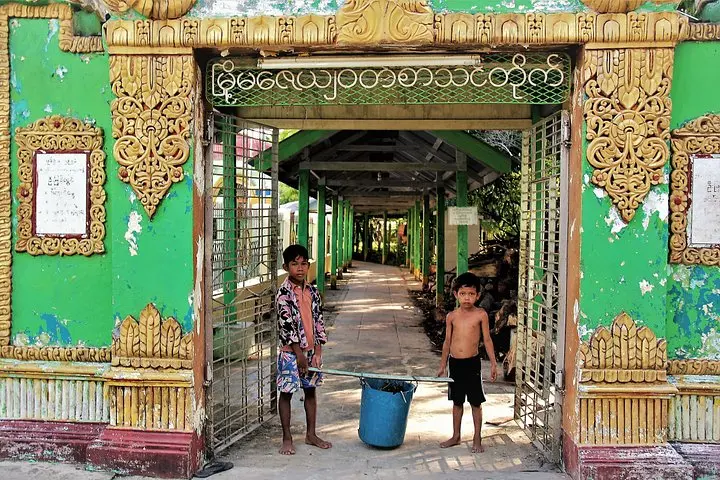
Along the way local vendors offer seasonal snacks and vendors practice age-old prep methods; guides interpret flavors and history, pointing out colonial facades and ferry crossings that connect communities across the water.
Practical guidance: the route is low-elevation and suitable for casual cyclists, but Yangon traffic and unpredictable weather require attention. Start early to avoid midday heat and the monsoon’s heavy downpours. Bring a compact rain shell and a small daypack for purchases. Wear closed-toe shoes for short walks between stops and a well-fitted helmet—helmets are provided, but a proper fit makes a difference.
Expect frequent stops for tasting and short walks; carry cash for smaller vendors and a refillable bottle—the tour typically includes water and snacks. By the end you’ll have tasted a cross-section of Yangon’s street food and seen neighborhoods that feel both immediate and unchanged, with the river always whispering the route onward.
No—this tour is rated easy and suitable for beginners; guides keep a relaxed pace and offer occasional walking breaks.
Yes—vegetarian options are available but inform the operator at booking to ensure vendors can meet needs.
The tour operates in most weather; expect slippery surfaces during the monsoon and dress accordingly—check cancellation policy for extreme conditions.
Bring Myanmar kyat for small purchases; some vendors may accept card in larger shops, but cash is standard for street food.
Bamboo Bicycle Tours Myanmar operates guided outdoor trips and adventures with an emphasis on safety, stewardship, and memorable experiences.
You push through humid air at first light, the Yangon River nudging the ferry as it slides toward Dala. Pedals click, tires hum over concrete lanes and dirt alleys; the city’s early tea shops exhale the smell of fresh tea and fried snacks. The ride moves like a local pulse—part commuter route, part open-air market.
You push through humid air at first light, the Yangon River nudging the ferry as it slides toward Dala. Pedals click, tires hum over concrete lanes and dirt alleys; the city’s early tea shops exhale the smell of fresh tea and fried snacks. The ride moves like a local pulse—part commuter route, part open-air market.
Yangon’s story is visible in the streets: British-era buildings, Burmese teak and corrugated iron, and a river that has long shaped livelihoods. Geologically the region is flat delta plain, so expect straightforward gradients rather than steep climbs. Culturally, tea-shop etiquette and shared plates matter—the tour threads through neighborhood food stalls where mohinga, samosas, and tea leaf salad chart Myanmar’s layered influences.
Along the way local vendors offer seasonal snacks and vendors practice age-old prep methods; guides interpret flavors and history, pointing out colonial facades and ferry crossings that connect communities across the water.
Practical guidance: the route is low-elevation and suitable for casual cyclists, but Yangon traffic and unpredictable weather require attention. Start early to avoid midday heat and the monsoon’s heavy downpours. Bring a compact rain shell and a small daypack for purchases. Wear closed-toe shoes for short walks between stops and a well-fitted helmet—helmets are provided, but a proper fit makes a difference.
Expect frequent stops for tasting and short walks; carry cash for smaller vendors and a refillable bottle—the tour typically includes water and snacks. By the end you’ll have tasted a cross-section of Yangon’s street food and seen neighborhoods that feel both immediate and unchanged, with the river always whispering the route onward.