THE ADVENTURE COLLECTIVE® · Independent discovery and booking for outdoor travel

Spend a half-day above the Li River valley visiting the Seven Fairies Peak tea terraces and climbing Xianggong Hill for expansive karst views. This hands-on tour combines tea picking, a traditional tea ceremony, and a short climb with hotel pickup in Yangshuo.
Spend a half-day above the Li River valley visiting the Seven Fairies Peak tea terraces and climbing Xianggong Hill for expansive karst views. This hands-on tour combines tea picking, a traditional tea ceremony, and a short climb with hotel pickup in Yangshuo.
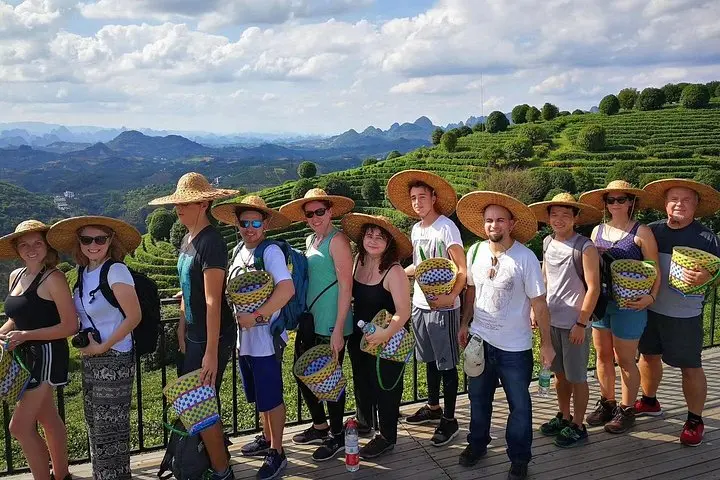
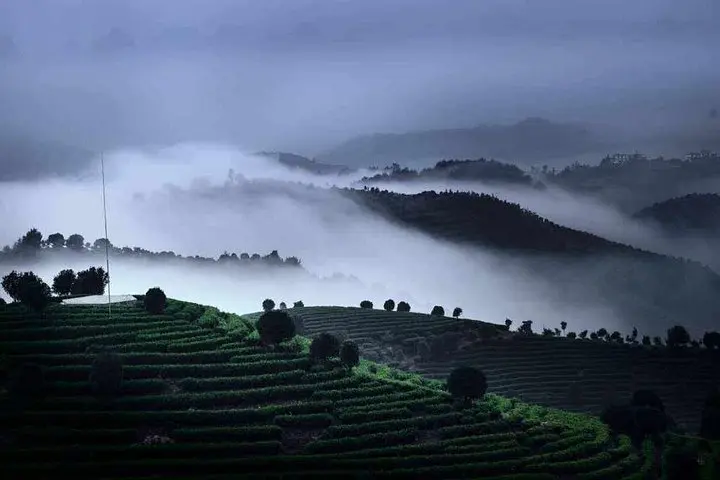
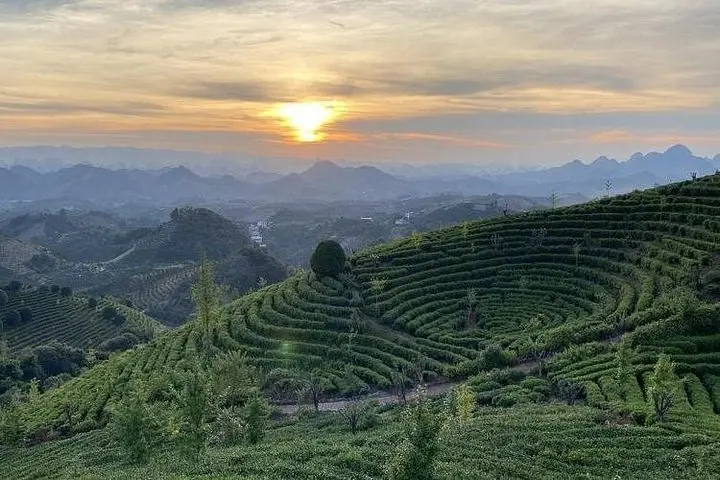
A cool river mist still clings to the karst teeth when the minibus pulls off the main road and climbs toward the Seven Fairies Peak tea terraces. Rows of low, glossy tea bushes roll over the slope like neatly braided ropes; a reed hat and bamboo basket change a visitor into a seasonal worker for an hour. Higher up, Xianggong Hill rises like a watchtower over the Li River valley — a short, steep walk rewards you with staggered peaks, river loops, and clouds casting moving shadows across rice fields.
Verified experiences and guided adventures in the surrounding area.
Operated by Truly China International Travel Service · Yangshuo, Guangxi
A cool river mist still clings to the karst teeth when the minibus pulls off the main road and climbs toward the Seven Fairies Peak tea terraces. Rows of low, glossy tea bushes roll over the slope like neatly braided ropes; a reed hat and bamboo basket change a visitor into a seasonal worker for an hour. Higher up, Xianggong Hill rises like a watchtower over the Li River valley — a short, steep walk rewards you with staggered peaks, river loops, and clouds casting moving shadows across rice fields.
This micro-adventure blends local agricultural tradition and classic Guilin karst geology. Tea growing here follows generations-old methods suited to thin, well-drained karst soils; the peaks themselves are limestone formed over millions of years and sculpted by water into the steep spires that define the region. Culturally, tea is both daily ritual and local economy — expect a hands-on tea ceremony and explanation of harvest customs from guides who work with village families.
Practically, the tour runs about four hours with two departures daily and hotel pickup in Yangshuo. The Xianggong climb is short but gains roughly 120–200 meters over uneven stone steps; allow 30–45 minutes round trip at a moderate pace. Bring sun protection, sturdy shoes, and a lightweight layer for the ridge breeze. If you time it for late afternoon you may see the clouds and sunlight animate the valley — good light for photos, but also short windows for clear views. The operator provides a reed hat and basket, and you’ll have time to pick tea leaves and sample a traditional brew before returning to town.
The uphill walk to the main viewpoint takes about 20–30 minutes one way; expect 30–45 minutes round trip depending on pace and stops for photos.
Yes — private transportation with hotel pickup in downtown Yangshuo is included; confirm your pickup time when booking.
You can take the leaves you pick home; leaves meant for tasting are normally prepared during the tea ceremony rather than eaten raw.
Children and moderately fit older guests can join, but steep steps and uneven paths may be challenging; inform the operator of mobility concerns when booking.
Truly China International Travel Service operates guided outdoor trips and adventures with an emphasis on safety, stewardship, and memorable experiences.

A cool river mist still clings to the karst teeth when the minibus pulls off the main road and climbs toward the Seven Fairies Peak tea terraces. Rows of low, glossy tea bushes roll over the slope like neatly braided ropes; a reed hat and bamboo basket change a visitor into a seasonal worker for an hour. Higher up, Xianggong Hill rises like a watchtower over the Li River valley — a short, steep walk rewards you with staggered peaks, river loops, and clouds casting moving shadows across rice fields.
A cool river mist still clings to the karst teeth when the minibus pulls off the main road and climbs toward the Seven Fairies Peak tea terraces. Rows of low, glossy tea bushes roll over the slope like neatly braided ropes; a reed hat and bamboo basket change a visitor into a seasonal worker for an hour. Higher up, Xianggong Hill rises like a watchtower over the Li River valley — a short, steep walk rewards you with staggered peaks, river loops, and clouds casting moving shadows across rice fields.
This micro-adventure blends local agricultural tradition and classic Guilin karst geology. Tea growing here follows generations-old methods suited to thin, well-drained karst soils; the peaks themselves are limestone formed over millions of years and sculpted by water into the steep spires that define the region. Culturally, tea is both daily ritual and local economy — expect a hands-on tea ceremony and explanation of harvest customs from guides who work with village families.
Practically, the tour runs about four hours with two departures daily and hotel pickup in Yangshuo. The Xianggong climb is short but gains roughly 120–200 meters over uneven stone steps; allow 30–45 minutes round trip at a moderate pace. Bring sun protection, sturdy shoes, and a lightweight layer for the ridge breeze. If you time it for late afternoon you may see the clouds and sunlight animate the valley — good light for photos, but also short windows for clear views. The operator provides a reed hat and basket, and you’ll have time to pick tea leaves and sample a traditional brew before returning to town.