THE ADVENTURE COLLECTIVE® · Independent discovery and booking for outdoor travel

Scale the karst towers of Yangshuo with an English-speaking guide and short approaches to bolted sport routes. This half-day climb offers dramatic river vistas, compact limestone routes, and full gear included.
Scale the karst towers of Yangshuo with an English-speaking guide and short approaches to bolted sport routes. This half-day climb offers dramatic river vistas, compact limestone routes, and full gear included.
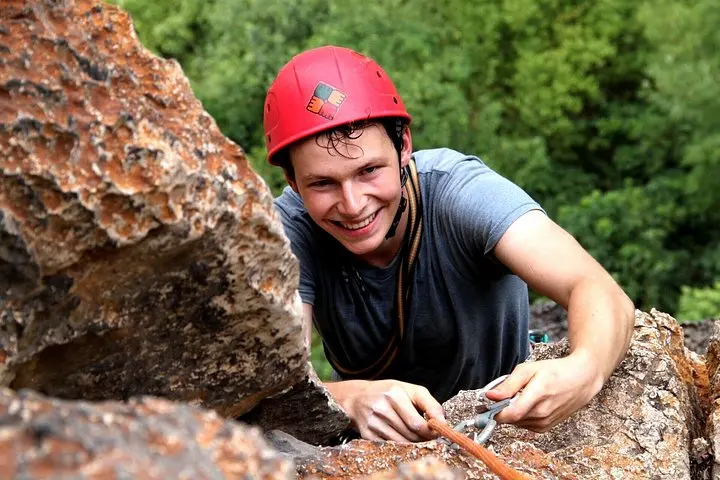
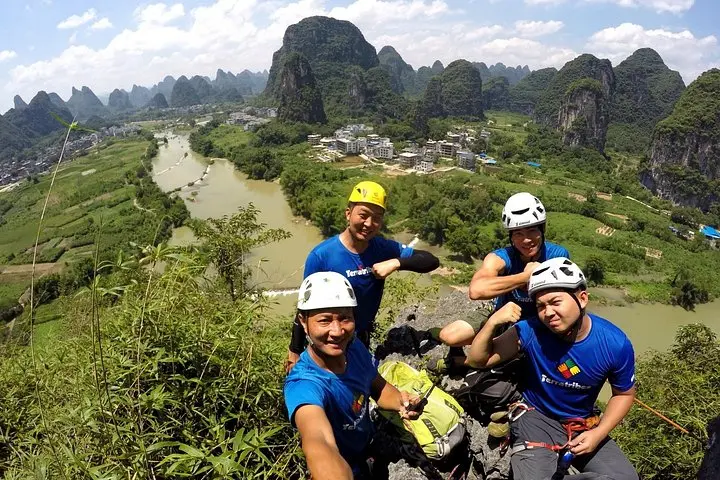
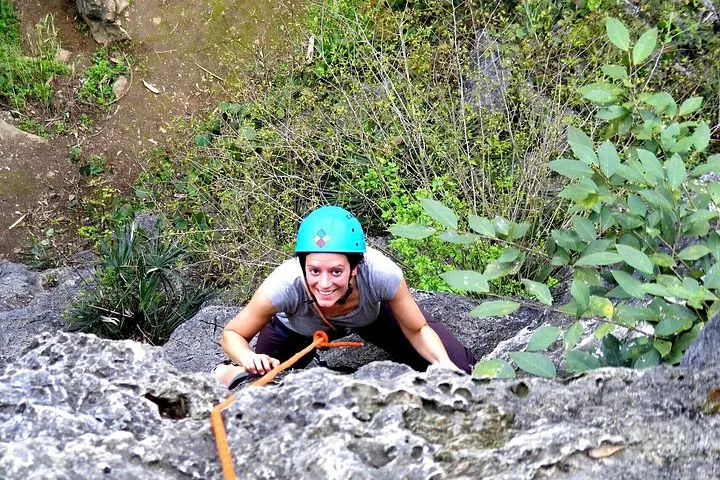
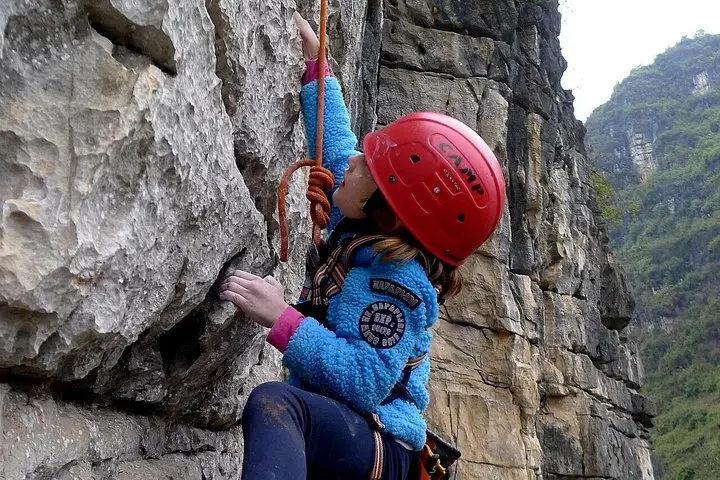
You meet at the front gate of Yangshuo Park just after breakfast; the market noise still soft, the air damp with river mist. A guide checks ropes and explains the day: short approaches, bolted sport lines, and the kind of limestone that seems to grow straight out of the rice paddies. Karst towers pierce the sky like fractured columns, and as you clip the first quickdraw the world compresses to your hands, the chalk on the rock, and the distant rush of the Li River daring you to look away.
Verified experiences and guided adventures in the surrounding area.
Operated by Terratribes Expeditions · Yangshuo, Guangxi
You meet at the front gate of Yangshuo Park just after breakfast; the market noise still soft, the air damp with river mist. A guide checks ropes and explains the day: short approaches, bolted sport lines, and the kind of limestone that seems to grow straight out of the rice paddies. Karst towers pierce the sky like fractured columns, and as you clip the first quickdraw the world compresses to your hands, the chalk on the rock, and the distant rush of the Li River daring you to look away.
The cliffs around Yangshuo are not ancient wreckage but the product of patient chemistry — 200 million years of marine limestone sculpted by rain and underground rivers. Modern climbing here has its own history: routes bolted and mapped since the 1990s when international climbers began treating the region as an open-air gym. Today more than a thousand sport and trad lines thread the towers, ranging from short, technical 15–30 meter pitches to longer multi-pitch climbs that reward persistence with panoramic river views.
Culture in Yangshuo still orbits the river. Villages along the floodplain raise water buffalo and grow vegetables while guesthouses, cafes, and guide shops cater to climbers. Local guides blend international climbing standards with regional knowledge — where to find shade on hot afternoons, which walls dry fastest after rain, and how to respect private farmland on the approach.
Practically, most guided half-day climbs include transport, harness, helmet, shoes (often), and an English-speaking guide. Expect a 10–30 minute walk to the base, short vertical gains on routes, and generally bolted anchors. Routes are predominantly sport; many are suitable for climbers with basic lead or top-rope experience, though beginners can also enjoy top-rope introductions with an instructor.
Plan for heat and humidity year-round: bring a litre of water per hour, sun protection, and quick-dry layers. Footwear matters — sticky climbing shoes for the rock, sturdy approach shoes for the farm tracks. Mornings and late afternoons are best for light, safety, and photography; mid-day can be hot and crowded. Guides will assess conditions and can reroute if weather or rock is unsafe — heavy rain can make limestone slick and lead to cancellations.
For travelers, a climb here is both physical and sensory — the scraped chalk, the sudden relief of a belay ledge, and the view back to the river where longtail boats glide like punctuation. It’s an accessible way to touch Yangshuo’s raw geology while supporting local climbing businesses that maintain routes and teach safe practices.
Whether you’re easing onto your first sport lead or polishing redpoint attempts, Yangshuo delivers compact climbs, dramatic scenery, and a useful dose of culture — all packaged into a half-day that feels longer because it changes the way you look up.
No — guided top-rope sessions and basic introductions are available; however, participants should have moderate fitness and no serious medical issues.
Yes — most half-day guided climbs include harness, helmet, ropes, and usually climbing shoes; bring personal items like water and sun protection.
Operators typically ask for age and weight on booking; minors can climb with guardian consent and there may be maximum weight/safety limits for some anchors.
Heavy rain cancels climbs for safety; limestone becomes very slippery — guides will reschedule or refund if canceled due to weather.
The tour meets at the front gate of Yangshuo Park; many hotels in Yangshuo offer short pickups or it’s a 10–20 minute taxi from central West Street.
Yes — most popular routes are bolted and regularly used; local guides maintain anchors and evaluate route safety before climbing.
Terratribes Expeditions operates guided outdoor trips and adventures with an emphasis on safety, stewardship, and memorable experiences.
You meet at the front gate of Yangshuo Park just after breakfast; the market noise still soft, the air damp with river mist. A guide checks ropes and explains the day: short approaches, bolted sport lines, and the kind of limestone that seems to grow straight out of the rice paddies. Karst towers pierce the sky like fractured columns, and as you clip the first quickdraw the world compresses to your hands, the chalk on the rock, and the distant rush of the Li River daring you to look away.
You meet at the front gate of Yangshuo Park just after breakfast; the market noise still soft, the air damp with river mist. A guide checks ropes and explains the day: short approaches, bolted sport lines, and the kind of limestone that seems to grow straight out of the rice paddies. Karst towers pierce the sky like fractured columns, and as you clip the first quickdraw the world compresses to your hands, the chalk on the rock, and the distant rush of the Li River daring you to look away.
The cliffs around Yangshuo are not ancient wreckage but the product of patient chemistry — 200 million years of marine limestone sculpted by rain and underground rivers. Modern climbing here has its own history: routes bolted and mapped since the 1990s when international climbers began treating the region as an open-air gym. Today more than a thousand sport and trad lines thread the towers, ranging from short, technical 15–30 meter pitches to longer multi-pitch climbs that reward persistence with panoramic river views.
Culture in Yangshuo still orbits the river. Villages along the floodplain raise water buffalo and grow vegetables while guesthouses, cafes, and guide shops cater to climbers. Local guides blend international climbing standards with regional knowledge — where to find shade on hot afternoons, which walls dry fastest after rain, and how to respect private farmland on the approach.
Practically, most guided half-day climbs include transport, harness, helmet, shoes (often), and an English-speaking guide. Expect a 10–30 minute walk to the base, short vertical gains on routes, and generally bolted anchors. Routes are predominantly sport; many are suitable for climbers with basic lead or top-rope experience, though beginners can also enjoy top-rope introductions with an instructor.
Plan for heat and humidity year-round: bring a litre of water per hour, sun protection, and quick-dry layers. Footwear matters — sticky climbing shoes for the rock, sturdy approach shoes for the farm tracks. Mornings and late afternoons are best for light, safety, and photography; mid-day can be hot and crowded. Guides will assess conditions and can reroute if weather or rock is unsafe — heavy rain can make limestone slick and lead to cancellations.
For travelers, a climb here is both physical and sensory — the scraped chalk, the sudden relief of a belay ledge, and the view back to the river where longtail boats glide like punctuation. It’s an accessible way to touch Yangshuo’s raw geology while supporting local climbing businesses that maintain routes and teach safe practices.
Whether you’re easing onto your first sport lead or polishing redpoint attempts, Yangshuo delivers compact climbs, dramatic scenery, and a useful dose of culture — all packaged into a half-day that feels longer because it changes the way you look up.