THE ADVENTURE COLLECTIVE® · Independent discovery and booking for outdoor travel

Walk across Ming‑era stone bridges, follow riverside lanes beneath towering karst peaks, and step into Jiuxian Village’s Song‑dynasty streets. This full‑day walking tour blends geology, local culture, and easy terrain for a steady, immersive day in Yangshuo.
Walk across Ming‑era stone bridges, follow riverside lanes beneath towering karst peaks, and step into Jiuxian Village’s Song‑dynasty streets. This full‑day walking tour blends geology, local culture, and easy terrain for a steady, immersive day in Yangshuo.
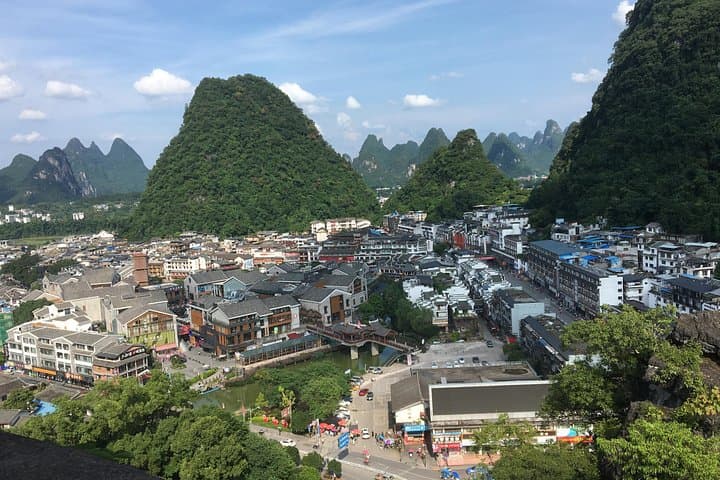
Morning mist clings to a slow river as the town of Yangshuo stirs—limestone towers rising like watchful companions, green paddies slipping past underfoot. On this walking day tour, travelers move at the rhythm of local lanes: across two Ming‑era stone bridges and into Jiuxian, a village with Song dynasty roots where earthen lanes and wooden eaves map generations of life.
Verified experiences and guided adventures in the surrounding area.
Operated by Yangshuo custom and culture tour (阳朔县昌盛文化艺术交流中心) · Yangshuo, Guangxi
Morning mist clings to a slow river as the town of Yangshuo stirs—limestone towers rising like watchful companions, green paddies slipping past underfoot. On this walking day tour, travelers move at the rhythm of local lanes: across two Ming‑era stone bridges and into Jiuxian, a village with Song dynasty roots where earthen lanes and wooden eaves map generations of life.
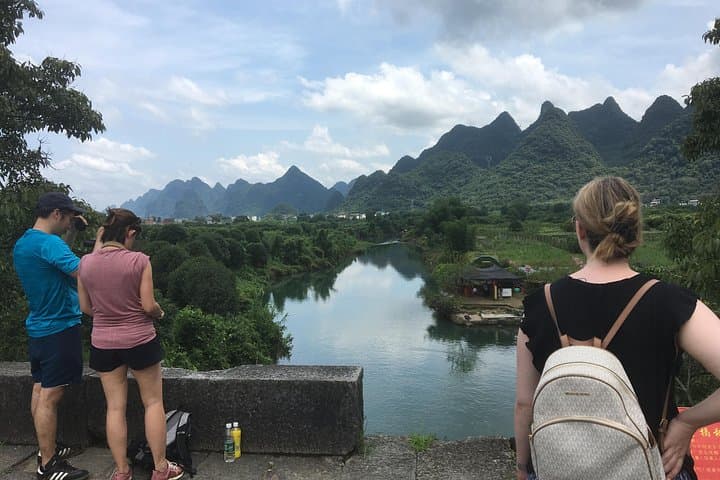
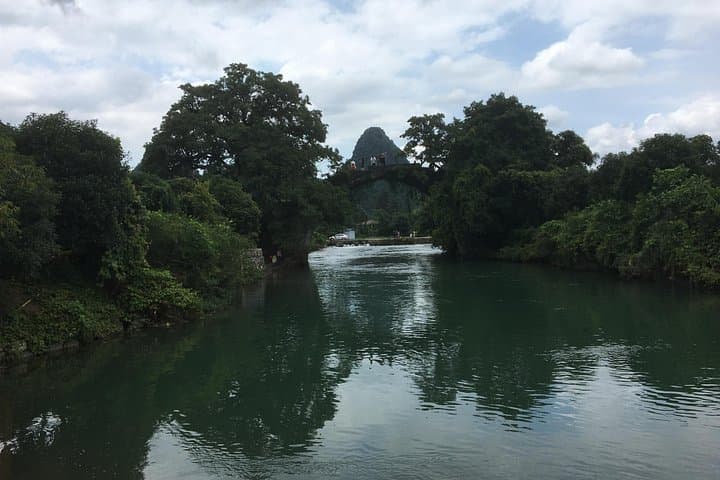
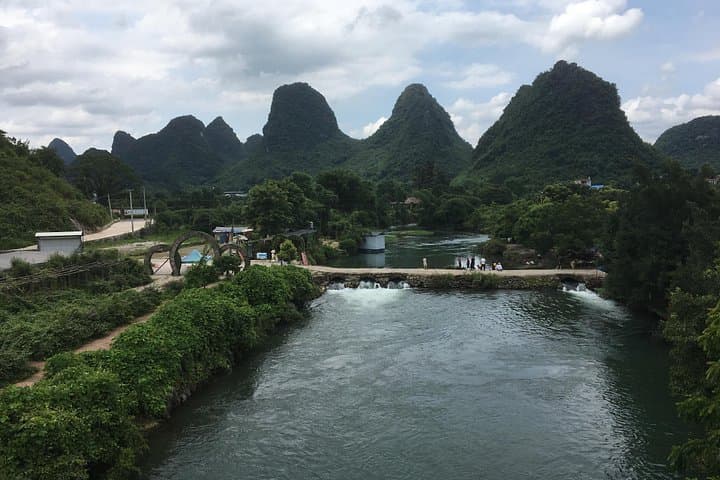
Geology shapes everything here; the karst peaks are weathered limestone formed over millions of years, carved by water into steep ridges, caves and narrow valleys. The Yulong River meanders through those peaks, inviting slow riverside walks and quiet observation of agrarian routines—farmers tending terraces, water buffalo wading at the bank. The Ming bridges (Fuli and Yulong/Dragon bridge) are functional relics: low-arched, worn by foot traffic for centuries and still central to local crossings. Jiuxian retains Song‑period layout and offers a direct line into regional customs—tea houses, traditional rooflines and village lanes where English‑speaking guides explain local crafts and family histories.
Practical guidance: the full program runs about 8–9 hours including transport and on‑site walking, expect mostly flat village paths and some uneven stone bridges; footwear with good grip is recommended. Bring water, layered clothing, and cash for a village lunch (not included). Start early to avoid midday heat and to catch clearer river light for photos. This is an accessible, low‑technical walk that rewards slow attention: listen for the river daring you to slow down, watch the karst towers shift with the sun, and walk with respect through working landscapes.
No—there is a stop in Jiuxian Village for lunch, which is at your own expense; your guide can recommend local dishes and restaurants.
Expect several short walks totaling 6–10 km across flat village lanes and bridges; the tour includes transport time between sites.
Yes—it's rated easy and suitable for most fitness levels, but it’s not recommended for those with significant spinal or cardiovascular issues per provider guidance.
Foreign travelers need the appropriate visa for travel to China; no special permits are required for these village walks beyond normal entry requirements.
Yangshuo custom and culture tour (阳朔县昌盛文化艺术交流中心) operates guided outdoor trips and adventures with an emphasis on safety, stewardship, and memorable experiences.
Morning mist clings to a slow river as the town of Yangshuo stirs—limestone towers rising like watchful companions, green paddies slipping past underfoot. On this walking day tour, travelers move at the rhythm of local lanes: across two Ming‑era stone bridges and into Jiuxian, a village with Song dynasty roots where earthen lanes and wooden eaves map generations of life.
Morning mist clings to a slow river as the town of Yangshuo stirs—limestone towers rising like watchful companions, green paddies slipping past underfoot. On this walking day tour, travelers move at the rhythm of local lanes: across two Ming‑era stone bridges and into Jiuxian, a village with Song dynasty roots where earthen lanes and wooden eaves map generations of life.
Geology shapes everything here; the karst peaks are weathered limestone formed over millions of years, carved by water into steep ridges, caves and narrow valleys. The Yulong River meanders through those peaks, inviting slow riverside walks and quiet observation of agrarian routines—farmers tending terraces, water buffalo wading at the bank. The Ming bridges (Fuli and Yulong/Dragon bridge) are functional relics: low-arched, worn by foot traffic for centuries and still central to local crossings. Jiuxian retains Song‑period layout and offers a direct line into regional customs—tea houses, traditional rooflines and village lanes where English‑speaking guides explain local crafts and family histories.
Practical guidance: the full program runs about 8–9 hours including transport and on‑site walking, expect mostly flat village paths and some uneven stone bridges; footwear with good grip is recommended. Bring water, layered clothing, and cash for a village lunch (not included). Start early to avoid midday heat and to catch clearer river light for photos. This is an accessible, low‑technical walk that rewards slow attention: listen for the river daring you to slow down, watch the karst towers shift with the sun, and walk with respect through working landscapes.