THE ADVENTURE COLLECTIVE® · Independent discovery and booking for outdoor travel

Stroll Ybor City’s historic streets with a guide and hear the story of Tampa’s cigar era, immigrant neighborhoods, and living cultural landmarks. This accessible 1.5–2 mile tour mixes history, architecture and local flavor.
Stroll Ybor City’s historic streets with a guide and hear the story of Tampa’s cigar era, immigrant neighborhoods, and living cultural landmarks. This accessible 1.5–2 mile tour mixes history, architecture and local flavor.
A warm breeze from Tampa Bay moves through 7th Avenue as the tour gathers at the statue of Vicente Martínez Ybor, and the neighborhood’s brick facades and ironwork seem to lean in to tell their stories.
Verified experiences and guided adventures in the surrounding area.
Operated by Ybor City Historic Walking Tours · Tampa, Florida
A warm breeze from Tampa Bay moves through 7th Avenue as the tour gathers at the statue of Vicente Martínez Ybor, and the neighborhood’s brick facades and ironwork seem to lean in to tell their stories.
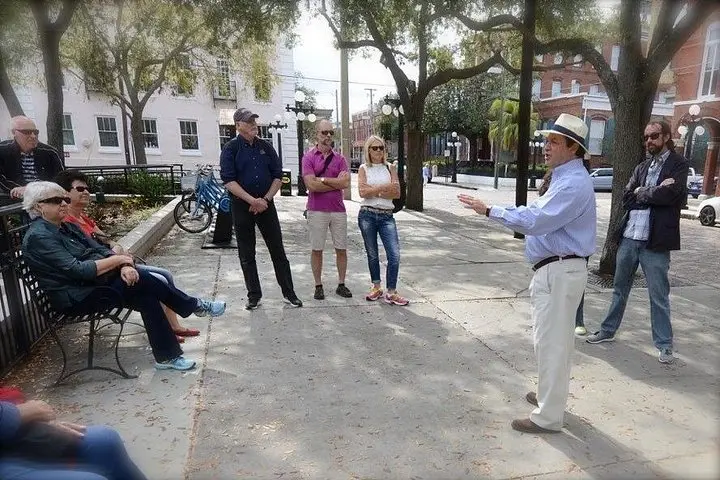
Walkers move at street level through blocks where the cigar factories once hummed, where shopfronts still show hand-painted signs and banded brick stacks mark former industrial lungs. Ybor City grew in the 1880s around Vicente Martínez-Ybor’s cigar operations and became a rare example of Cuban-owned land in the U.S.; the neighborhood’s layered culture includes Cuban, Spanish and Italian immigrant influences that shaped its food, mutual aid societies and social clubs.
Geologically, the area sits on low coastal plains—flat streets and sweeping urban vistas rather than steep trails—so the experience is sensory and social rather than strenuous. Expect to pass historic social clubs, former factory blocks, and a few small museums and murals that speak to labor, migration and immigrant entrepreneurship.
Practical guidance: the 105-minute shared tour covers roughly 1.5–2 miles of mostly paved sidewalks with frequent stops. Comfortable walking shoes, sun protection and a filled water bottle make the walk easier, especially in summer when humidity and storms spike. The route is wheelchair- and stroller-accessible; tours run rain-or-shine but may cancel in severe weather. Bring a small camera, cash for museum donations or snacks, and arrive 10 minutes early to meet the guide at the Vicente Martínez Ybor statue at 7th Ave and 16th St.
Yes—routes use sidewalks and plazas that are listed as wheelchair- and stroller-accessible; contact the operator for specific needs.
The tour runs about 105 minutes and covers roughly 1.5–2 miles with frequent stops for storytelling and photos.
Infants and small children can ride in strollers; service animals are permitted, but pets are not recommended on shared tours.
The tour is primarily street-level; one stop includes a visa-free visit to historic Cuban-owned property, but most sites are viewed from the public right-of-way.
Ybor City Historic Walking Tours operates guided outdoor trips and adventures with an emphasis on safety, stewardship, and memorable experiences.
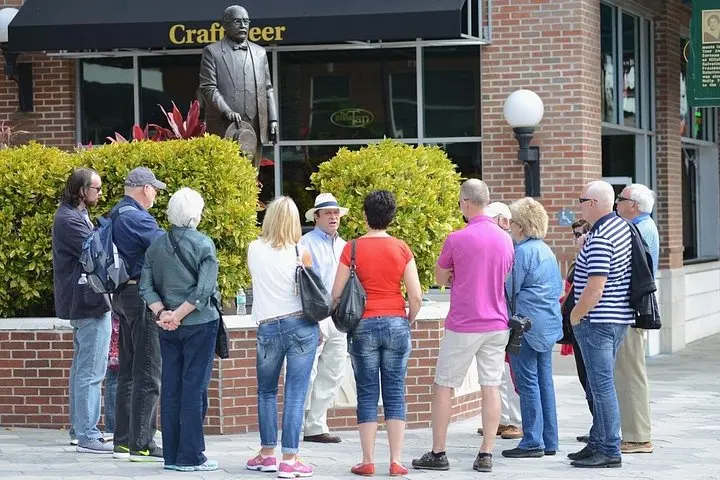
A warm breeze from Tampa Bay moves through 7th Avenue as the tour gathers at the statue of Vicente Martínez Ybor, and the neighborhood’s brick facades and ironwork seem to lean in to tell their stories.
A warm breeze from Tampa Bay moves through 7th Avenue as the tour gathers at the statue of Vicente Martínez Ybor, and the neighborhood’s brick facades and ironwork seem to lean in to tell their stories.
Walkers move at street level through blocks where the cigar factories once hummed, where shopfronts still show hand-painted signs and banded brick stacks mark former industrial lungs. Ybor City grew in the 1880s around Vicente Martínez-Ybor’s cigar operations and became a rare example of Cuban-owned land in the U.S.; the neighborhood’s layered culture includes Cuban, Spanish and Italian immigrant influences that shaped its food, mutual aid societies and social clubs.
Geologically, the area sits on low coastal plains—flat streets and sweeping urban vistas rather than steep trails—so the experience is sensory and social rather than strenuous. Expect to pass historic social clubs, former factory blocks, and a few small museums and murals that speak to labor, migration and immigrant entrepreneurship.
Practical guidance: the 105-minute shared tour covers roughly 1.5–2 miles of mostly paved sidewalks with frequent stops. Comfortable walking shoes, sun protection and a filled water bottle make the walk easier, especially in summer when humidity and storms spike. The route is wheelchair- and stroller-accessible; tours run rain-or-shine but may cancel in severe weather. Bring a small camera, cash for museum donations or snacks, and arrive 10 minutes early to meet the guide at the Vicente Martínez Ybor statue at 7th Ave and 16th St.