THE ADVENTURE COLLECTIVE® · Independent discovery and booking for outdoor travel

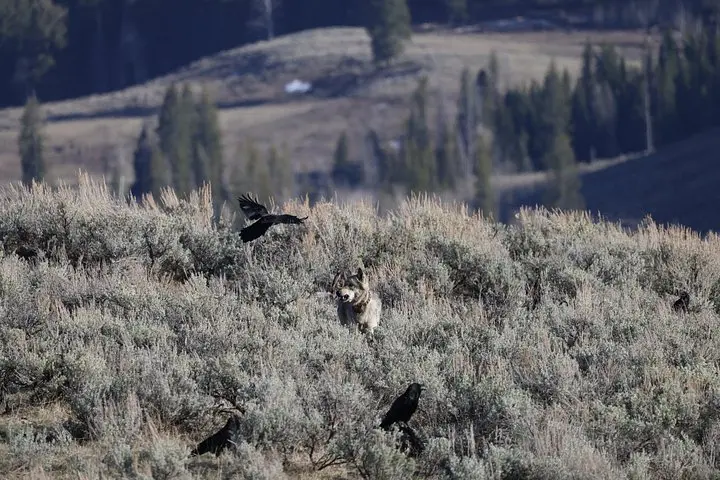
Spend a full day exploring Yellowstone’s upper loop from Gardiner with a pro guide, spotting scopes, lunch and the best chance to see grizzlies, bison, wolves and elk. This vehicle‑based tour focuses on patient wildlife viewing, geology, and park etiquette.
Spend a full day exploring Yellowstone’s upper loop from Gardiner with a pro guide, spotting scopes, lunch and the best chance to see grizzlies, bison, wolves and elk. This vehicle‑based tour focuses on patient wildlife viewing, geology, and park etiquette.
You step out of the minivan just before dawn and the world of Yellowstone exhales: a low mist rides the river, steam from distant hot springs hangs like smoke, and a guide lifts a spotting scope with practiced calm. The road ahead curves through the wide sweep of Lamar Valley — often called Yellowstone’s Serengeti for a reason — where pronghorn pick their way across sage and bison punctuate the plains like living markers. This is an 8‑hour circuit of the park’s upper loop, run from Gardiner, MT, built around patient watching, sharp optics, and the kind of local know‑how that turns chance sightings into reliable wildlife encounters.
Verified experiences and guided adventures in the surrounding area.
Operated by Yellowstone’s Casanova Guided Tours · Gardiner, Montana
You step out of the minivan just before dawn and the world of Yellowstone exhales: a low mist rides the river, steam from distant hot springs hangs like smoke, and a guide lifts a spotting scope with practiced calm. The road ahead curves through the wide sweep of Lamar Valley — often called Yellowstone’s Serengeti for a reason — where pronghorn pick their way across sage and bison punctuate the plains like living markers. This is an 8‑hour circuit of the park’s upper loop, run from Gardiner, MT, built around patient watching, sharp optics, and the kind of local know‑how that turns chance sightings into reliable wildlife encounters.
Yellowstone is America’s first national park (established 1872) and sits above a still‑active volcanic caldera. The landscape you drive through is a ledger of geological drama: travertine terraces at Mammoth Hot Springs, hydrothermal basins boiling below a thin crust, and canyon walls carved by millennia of river work. The people who guide these tours combine natural history, park lore, and practical safety—many are long‑time residents or rangers who read animal movement the way a sailor reads wind.
Gardiner itself is a small gateway town with rugged motel signs, local outfitters, and a frontier feel. Guides often point out old stagecoach routes and share stories about Indigenous nations whose seasonal patterns shaped the land long before the park’s borders existed. Conservation threads every part of the trip; you’ll hear why windows stay closed near wildlife, why road‑side photos require distance, and how every visitor can reduce impact.
Practically speaking: this is a vehicle‑based tour with frequent stops for scopes and photos rather than long hikes. Expect full‑day hours (roughly 8) with provided snacks, lunch, bottled water, binoculars and spotting scopes. Dress in layers—temperatures swing wildly between river valleys and higher ridgelines—and bring a charged camera and patience. The best sightings happen around dawn and late afternoon, so timing matters. Restroom stops are available at visitor centers and designated pullouts; the guide will plan breaks. Park entrance fees are usually not included, so have your pass ready or pay at the gate.
For photographers and first‑time visitors, the experience balances spectacle and restraint: you’ll get close enough to feel the scale of a grazing elk or a bison herd while learning the rules that keep both people and animals safe. If the day is clear, the upper loop offers sweeping panoramas and close wildlife encounters within a single, well‑paced outing—an efficient, weather‑sensitive way to see the wild heart of Yellowstone without turning it into a checklist.
Park entrance fees are typically not included—have your pass ready or pay at the North Entrance when entering from Gardiner.
Guides focus on areas with recent activity and use scopes to increase chances; sightings are common but never guaranteed.
Yes—infants and small children can ride in strollers, but plan for long stretches of sitting and limited facilities in certain areas.
Winter tours operate from the Gardiner (North) Entrance; lower loop seasons typically start mid‑April—check operator dates for exact availability.
Full refunds are available if you cancel at least 24 hours before departure; tours may be canceled for bad weather or low bookings.
Yes—restroom stops are planned at visitor centers and designated pullouts; guides schedule breaks during the day.
Yellowstone’s Casanova Guided Tours operates guided outdoor trips and adventures with an emphasis on safety, stewardship, and memorable experiences.
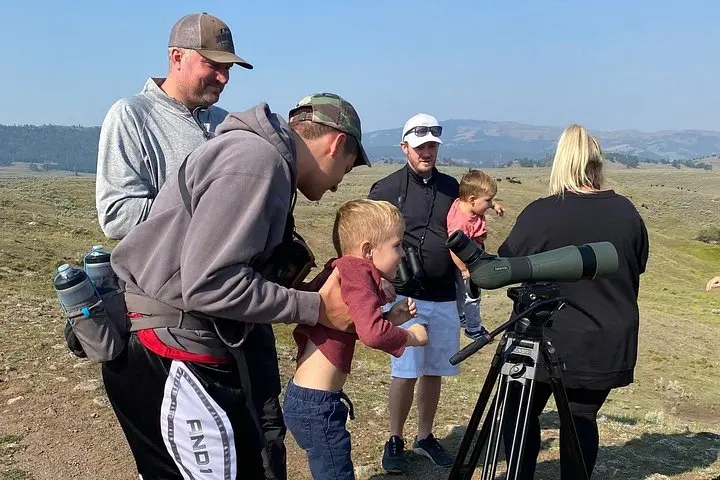
You step out of the minivan just before dawn and the world of Yellowstone exhales: a low mist rides the river, steam from distant hot springs hangs like smoke, and a guide lifts a spotting scope with practiced calm. The road ahead curves through the wide sweep of Lamar Valley — often called Yellowstone’s Serengeti for a reason — where pronghorn pick their way across sage and bison punctuate the plains like living markers. This is an 8‑hour circuit of the park’s upper loop, run from Gardiner, MT, built around patient watching, sharp optics, and the kind of local know‑how that turns chance sightings into reliable wildlife encounters.
You step out of the minivan just before dawn and the world of Yellowstone exhales: a low mist rides the river, steam from distant hot springs hangs like smoke, and a guide lifts a spotting scope with practiced calm. The road ahead curves through the wide sweep of Lamar Valley — often called Yellowstone’s Serengeti for a reason — where pronghorn pick their way across sage and bison punctuate the plains like living markers. This is an 8‑hour circuit of the park’s upper loop, run from Gardiner, MT, built around patient watching, sharp optics, and the kind of local know‑how that turns chance sightings into reliable wildlife encounters.
Yellowstone is America’s first national park (established 1872) and sits above a still‑active volcanic caldera. The landscape you drive through is a ledger of geological drama: travertine terraces at Mammoth Hot Springs, hydrothermal basins boiling below a thin crust, and canyon walls carved by millennia of river work. The people who guide these tours combine natural history, park lore, and practical safety—many are long‑time residents or rangers who read animal movement the way a sailor reads wind.
Gardiner itself is a small gateway town with rugged motel signs, local outfitters, and a frontier feel. Guides often point out old stagecoach routes and share stories about Indigenous nations whose seasonal patterns shaped the land long before the park’s borders existed. Conservation threads every part of the trip; you’ll hear why windows stay closed near wildlife, why road‑side photos require distance, and how every visitor can reduce impact.
Practically speaking: this is a vehicle‑based tour with frequent stops for scopes and photos rather than long hikes. Expect full‑day hours (roughly 8) with provided snacks, lunch, bottled water, binoculars and spotting scopes. Dress in layers—temperatures swing wildly between river valleys and higher ridgelines—and bring a charged camera and patience. The best sightings happen around dawn and late afternoon, so timing matters. Restroom stops are available at visitor centers and designated pullouts; the guide will plan breaks. Park entrance fees are usually not included, so have your pass ready or pay at the gate.
For photographers and first‑time visitors, the experience balances spectacle and restraint: you’ll get close enough to feel the scale of a grazing elk or a bison herd while learning the rules that keep both people and animals safe. If the day is clear, the upper loop offers sweeping panoramas and close wildlife encounters within a single, well‑paced outing—an efficient, weather‑sensitive way to see the wild heart of Yellowstone without turning it into a checklist.