THE ADVENTURE COLLECTIVE® · Independent discovery and booking for outdoor travel

Leave the boardwalk crowds behind and hike 6–7 miles into Yellowstone’s quieter backcountry with trained naturalists. Expect close study of flora and responsible wildlife viewing, plus a packed lunch to refuel mid-trek.
Leave the boardwalk crowds behind and hike 6–7 miles into Yellowstone’s quieter backcountry with trained naturalists. Expect close study of flora and responsible wildlife viewing, plus a packed lunch to refuel mid-trek.
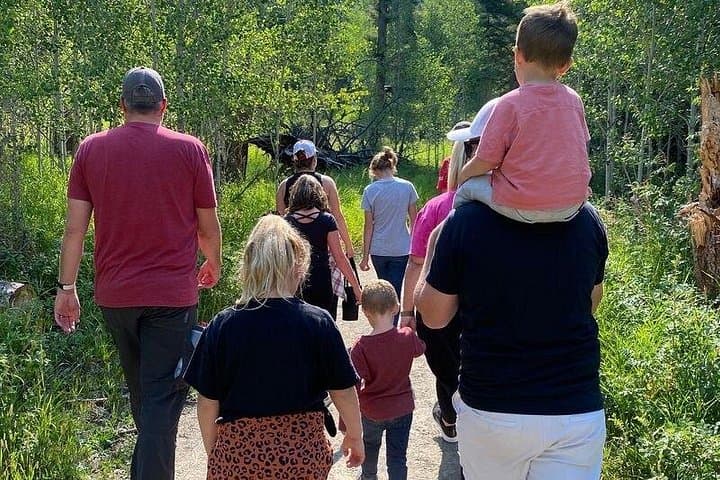
A cool morning air moves through lodgepole pines as a small group steps off the service road and into the quieter slopes behind the park’s main loops. Guides check packs, click on bear spray canisters, and set a steady rhythm; the trail rises and falls through meadows where grasses ripple like a cautious audience. The hike pushes 6–7 miles across rolling terrain that most visitors don’t see, trading boardwalk crowds for raw valley edges and open ridgelines.
Verified experiences and guided adventures in the surrounding area.
Operated by Yellowstone’s Casanova Guided Tours · West Yellowstone, Montana
A cool morning air moves through lodgepole pines as a small group steps off the service road and into the quieter slopes behind the park’s main loops. Guides check packs, click on bear spray canisters, and set a steady rhythm; the trail rises and falls through meadows where grasses ripple like a cautious audience. The hike pushes 6–7 miles across rolling terrain that most visitors don’t see, trading boardwalk crowds for raw valley edges and open ridgelines.
Yellowstone sits on a vast volcanic caldera; underfoot smells of mineral-rich soils and, farther off, the varnished colors of thermal basins remind hikers of the park’s explosive past. Indigenous peoples have traveled these valleys for millennia, and the park’s modern history — established in 1872 as the nation’s first — overlaps with ongoing stewardship by nearby communities.
Expect a field-education approach: naturalists will point out plant communities, explain elk and bison ecology, and interpret how geothermal heat shapes habitats. Wildlife here is not staged; encounters happen at a respectful distance — sometimes a bull elk scanning a meadow or a distant herd of bison moving like slow punctuation across a plain.
Practical guidance is straightforward. Plan for six hours on variable tread: dirt, rocky switchbacks, and grassy benches. Hydrate heavily, layer for wind and sun, and carry a camera but keep it ready to lower if an animal appears. Guides provide lunch, snacks, bear spray, and first aid; participants should arrive prepared with sturdy footwear, food preferences noted, and a willingness to follow safety briefings. The rhythm of the land alternates quiet and sudden movement — be present and adaptable.
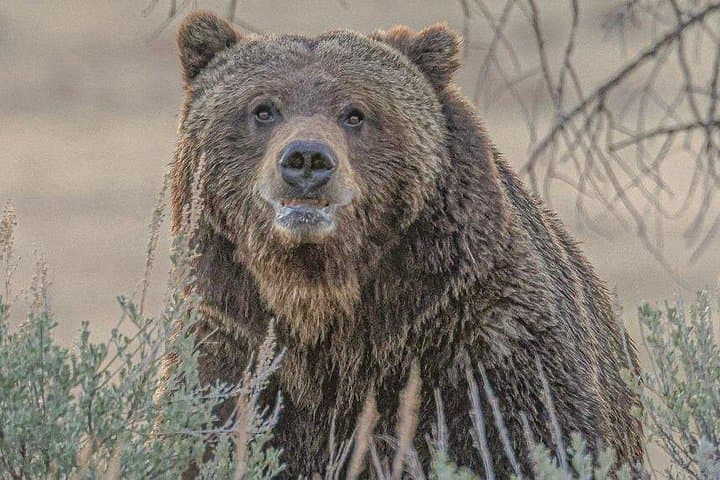
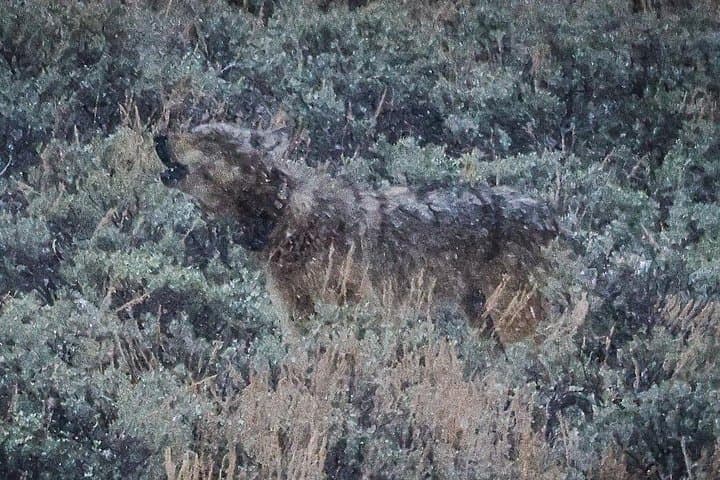
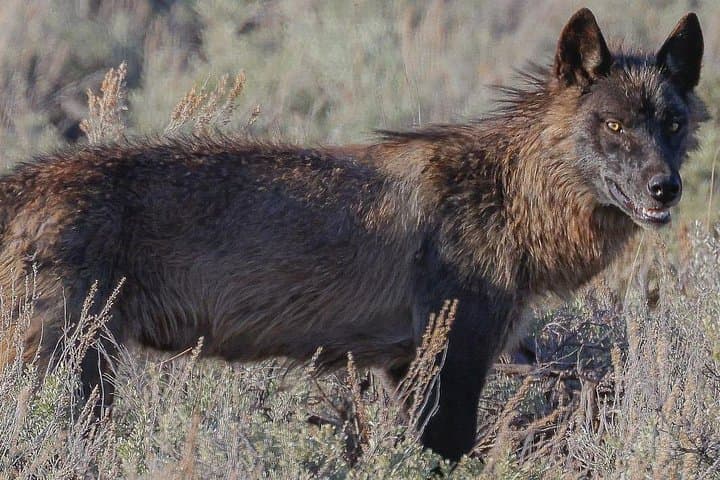
Guides select routes based on recent sightings and habitat; sightings of bison, elk, and occasionally wolves or bears are possible but never guaranteed—viewing is dependent on animal behavior and season.
Yes—guides are trained and certified in first aid/CPR and carry safety equipment including bear spray and first-aid supplies for group care.
Tours may be canceled for severe weather; the operator typically offers full refunds if canceled at least 24 hours before departure or for unsafe conditions.
This tour requires a moderate fitness level and is not recommended for those with serious back, heart, or pregnancy-related concerns; inquire with the operator about specialized infant seats or private accommodations.
Yellowstone’s Casanova Guided Tours operates guided outdoor trips and adventures with an emphasis on safety, stewardship, and memorable experiences.
A cool morning air moves through lodgepole pines as a small group steps off the service road and into the quieter slopes behind the park’s main loops. Guides check packs, click on bear spray canisters, and set a steady rhythm; the trail rises and falls through meadows where grasses ripple like a cautious audience. The hike pushes 6–7 miles across rolling terrain that most visitors don’t see, trading boardwalk crowds for raw valley edges and open ridgelines.
A cool morning air moves through lodgepole pines as a small group steps off the service road and into the quieter slopes behind the park’s main loops. Guides check packs, click on bear spray canisters, and set a steady rhythm; the trail rises and falls through meadows where grasses ripple like a cautious audience. The hike pushes 6–7 miles across rolling terrain that most visitors don’t see, trading boardwalk crowds for raw valley edges and open ridgelines.
Yellowstone sits on a vast volcanic caldera; underfoot smells of mineral-rich soils and, farther off, the varnished colors of thermal basins remind hikers of the park’s explosive past. Indigenous peoples have traveled these valleys for millennia, and the park’s modern history — established in 1872 as the nation’s first — overlaps with ongoing stewardship by nearby communities.
Expect a field-education approach: naturalists will point out plant communities, explain elk and bison ecology, and interpret how geothermal heat shapes habitats. Wildlife here is not staged; encounters happen at a respectful distance — sometimes a bull elk scanning a meadow or a distant herd of bison moving like slow punctuation across a plain.
Practical guidance is straightforward. Plan for six hours on variable tread: dirt, rocky switchbacks, and grassy benches. Hydrate heavily, layer for wind and sun, and carry a camera but keep it ready to lower if an animal appears. Guides provide lunch, snacks, bear spray, and first aid; participants should arrive prepared with sturdy footwear, food preferences noted, and a willingness to follow safety briefings. The rhythm of the land alternates quiet and sudden movement — be present and adaptable.