THE ADVENTURE COLLECTIVE® · Independent discovery and booking for outdoor travel

Spend a private full day on Yellowstone’s lower loop with an expert guide—Old Faithful eruptions, the Grand Prismatic’s electric rim, and the thunder of the Grand Canyon of the Yellowstone. Lunch, transport, and binoculars included.
Spend a private full day on Yellowstone’s lower loop with an expert guide—Old Faithful eruptions, the Grand Prismatic’s electric rim, and the thunder of the Grand Canyon of the Yellowstone. Lunch, transport, and binoculars included.
The bus slides out onto the Grand Loop Road before dawn and the windows fog with hot coffee and expectation. As the landscape opens, rivers thread the valley and steam rises in plumes from the ground like breath from the earth. Over the next eight hours a private guide will ferry you between Yellowstone's signature shows—Old Faithful’s predictable plume, the rainbow rim of Grand Prismatic, and the thunder of the Lower Falls—each stop revealing a different face of the park's volcanic heart.
Verified experiences and guided adventures in the surrounding area.
Operated by Yellowstone’s Casanova Guided Tours · West Yellowstone, Montana
The bus slides out onto the Grand Loop Road before dawn and the windows fog with hot coffee and expectation. As the landscape opens, rivers thread the valley and steam rises in plumes from the ground like breath from the earth. Over the next eight hours a private guide will ferry you between Yellowstone's signature shows—Old Faithful’s predictable plume, the rainbow rim of Grand Prismatic, and the thunder of the Lower Falls—each stop revealing a different face of the park's volcanic heart.
Yellowstone is the planet’s first national park, protected in 1872 amid a rush of curiosity and conquest. What you're watching is active geology: a caldera formed by an eruption 640,000 years ago that still fuels geysers, fumaroles, and the opaque pools known as mudpots. Indigenous peoples—Shoshone, Bannock, and others—have deep ties to these lands long before park status; modern tourism layers an additional history of early trappers, railroads, and conservation battles.
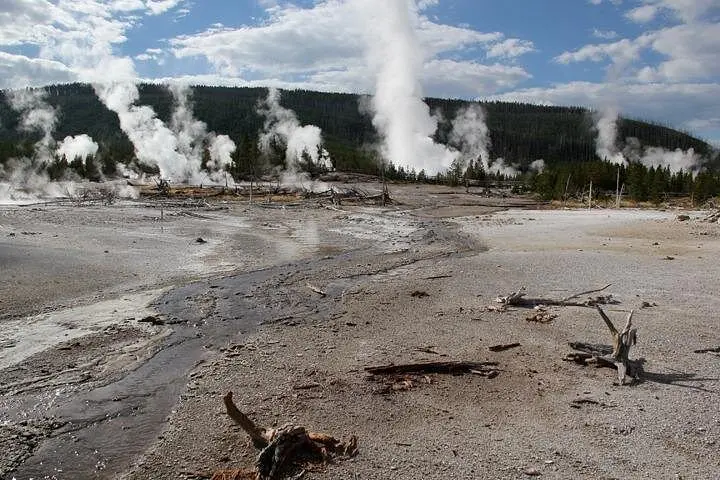
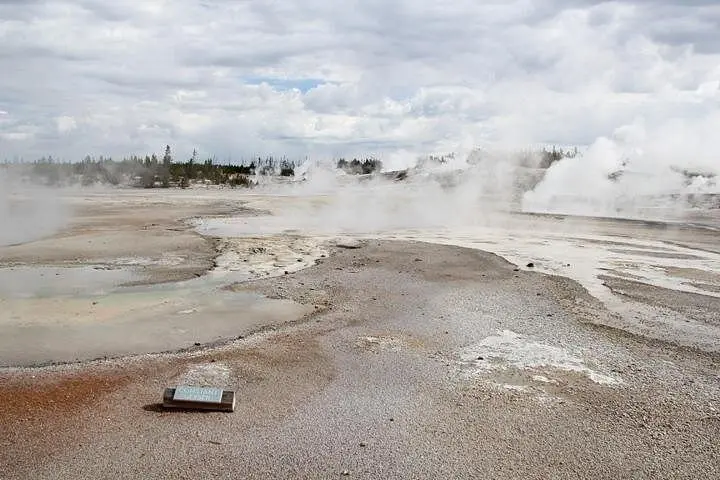
The Lower Loop focuses on geothermal basins and dramatic river scenery. Expect boardwalks that thread delicate bacterial mats beside boiling springs, short paved circuits at major sights, and quick pullouts for photo stops like Gibbon Falls. Your guide’s binoculars and spotting scope do more than bring distant elk into focus— they provide context on animal behavior, thermal dynamics, and seasonal hazards.
Practicalities matter: the tour runs about 8 hours with hotel pickup available from West Yellowstone and nearby gateway towns. The total walking distance is modest—most boardwalk circuits are under 2.5 miles each—but you’ll be at 7,000–8,000 feet elevation, which can make the easy hikes feel firmer. Lunch and snacks are included; bring layers, water, and sturdy footwear. Park roads can be busy in summer and snowbound in shoulder seasons; your guide times stops to avoid crowds and maximize wildlife sightings.
Safety and stewardship are part of the experience. Thermal features are fragile and dangerously hot—always stay on designated paths. Wildlife is wild; keep a minimum distance and let your guide manage close encounters. Summer brings mosquitoes in lowlands; spring and fall offer crisp light and fewer people but cooler temperatures.
For photographers, sunrise light and late afternoon offer the richest palette on the canyon walls and hot-spring rims. Bring a mid-range telephoto for wildlife and a wide lens for canyons and expansive basins. With a mix of geology, history, and guided interpretation, this full-day private loop gives you a focused, efficient way to experience Yellowstone's essential sights without the logistics headache—just show up ready to walk, look, and listen.
Entrance fees are not always included—confirm with the operator; guides can often pay on arrival or advise where to purchase a pass.
Yes; pickup from West Yellowstone and many gateway hotels is offered—specify location when booking.
Many viewing areas have paved boardwalks and parking access, but check specific accessibility needs with the supplier in advance.
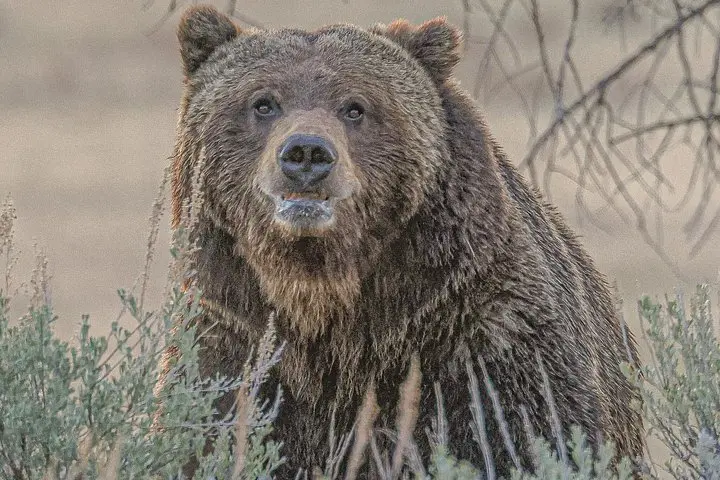
Common sightings include bison and elk; guides can also point out eagles, foxes, and occasionally bears or wolves from a safe distance.
Tipping is customary for private tours—10–20% depending on service quality.
Tours may be canceled or rescheduled for extreme weather; the operator’s cancellation policy allows refunds up to 24 hours prior.
Yellowstone’s Casanova Guided Tours operates guided outdoor trips and adventures with an emphasis on safety, stewardship, and memorable experiences.
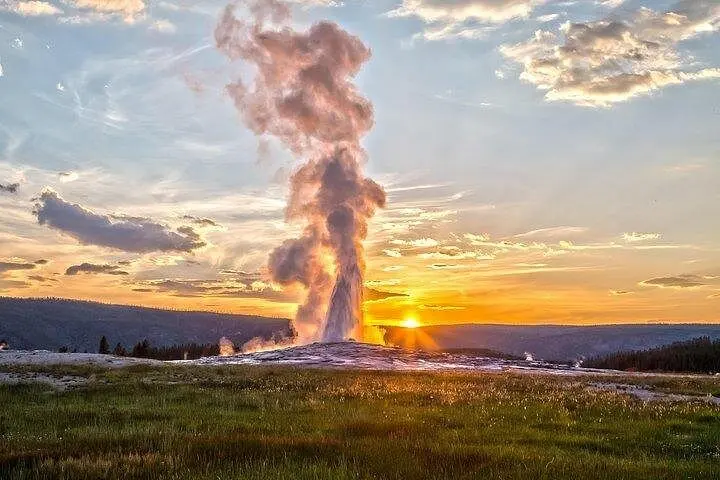
The bus slides out onto the Grand Loop Road before dawn and the windows fog with hot coffee and expectation. As the landscape opens, rivers thread the valley and steam rises in plumes from the ground like breath from the earth. Over the next eight hours a private guide will ferry you between Yellowstone's signature shows—Old Faithful’s predictable plume, the rainbow rim of Grand Prismatic, and the thunder of the Lower Falls—each stop revealing a different face of the park's volcanic heart.
The bus slides out onto the Grand Loop Road before dawn and the windows fog with hot coffee and expectation. As the landscape opens, rivers thread the valley and steam rises in plumes from the ground like breath from the earth. Over the next eight hours a private guide will ferry you between Yellowstone's signature shows—Old Faithful’s predictable plume, the rainbow rim of Grand Prismatic, and the thunder of the Lower Falls—each stop revealing a different face of the park's volcanic heart.
Yellowstone is the planet’s first national park, protected in 1872 amid a rush of curiosity and conquest. What you're watching is active geology: a caldera formed by an eruption 640,000 years ago that still fuels geysers, fumaroles, and the opaque pools known as mudpots. Indigenous peoples—Shoshone, Bannock, and others—have deep ties to these lands long before park status; modern tourism layers an additional history of early trappers, railroads, and conservation battles.
The Lower Loop focuses on geothermal basins and dramatic river scenery. Expect boardwalks that thread delicate bacterial mats beside boiling springs, short paved circuits at major sights, and quick pullouts for photo stops like Gibbon Falls. Your guide’s binoculars and spotting scope do more than bring distant elk into focus— they provide context on animal behavior, thermal dynamics, and seasonal hazards.
Practicalities matter: the tour runs about 8 hours with hotel pickup available from West Yellowstone and nearby gateway towns. The total walking distance is modest—most boardwalk circuits are under 2.5 miles each—but you’ll be at 7,000–8,000 feet elevation, which can make the easy hikes feel firmer. Lunch and snacks are included; bring layers, water, and sturdy footwear. Park roads can be busy in summer and snowbound in shoulder seasons; your guide times stops to avoid crowds and maximize wildlife sightings.
Safety and stewardship are part of the experience. Thermal features are fragile and dangerously hot—always stay on designated paths. Wildlife is wild; keep a minimum distance and let your guide manage close encounters. Summer brings mosquitoes in lowlands; spring and fall offer crisp light and fewer people but cooler temperatures.
For photographers, sunrise light and late afternoon offer the richest palette on the canyon walls and hot-spring rims. Bring a mid-range telephoto for wildlife and a wide lens for canyons and expansive basins. With a mix of geology, history, and guided interpretation, this full-day private loop gives you a focused, efficient way to experience Yellowstone's essential sights without the logistics headache—just show up ready to walk, look, and listen.