THE ADVENTURE COLLECTIVE® · Independent discovery and booking for outdoor travel

Spend the day traversing Yellowstone’s famed Lower Loop from Jackson Hole: Old Faithful erupts, painted mud pots bubble, and Hayden Valley offers world-class wildlife viewing. A naturalist guide, scopes and a picnic lunch turn hype into a high-quality, full-day introduction to the park’s geology and fauna.
Spend the day traversing Yellowstone’s famed Lower Loop from Jackson Hole: Old Faithful erupts, painted mud pots bubble, and Hayden Valley offers world-class wildlife viewing. A naturalist guide, scopes and a picnic lunch turn hype into a high-quality, full-day introduction to the park’s geology and fauna.
You start before sunrise, the Tetons a low-black ridge to the east while the van eases onto U.S. 26 and the road that leads into Yellowstone. The air tightens with cold and expectation: steam rises ahead from boiling pools, and in the wide, watery valleys, bison silhouettes move like weather. Guides hand out scopes and binoculars and the group falls quiet the way a forest does when something alive passes through.
Verified experiences and guided adventures in the surrounding area.
Operated by BrushBuck Wildlife Tours · Jackson, Wyoming
You start before sunrise, the Tetons a low-black ridge to the east while the van eases onto U.S. 26 and the road that leads into Yellowstone. The air tightens with cold and expectation: steam rises ahead from boiling pools, and in the wide, watery valleys, bison silhouettes move like weather. Guides hand out scopes and binoculars and the group falls quiet the way a forest does when something alive passes through.
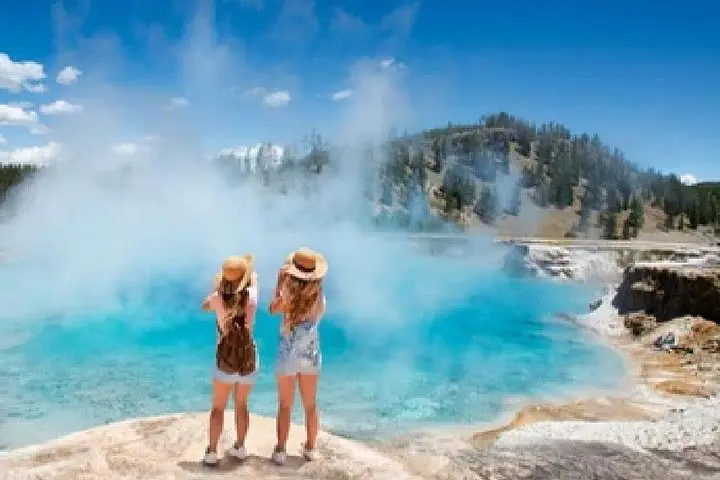
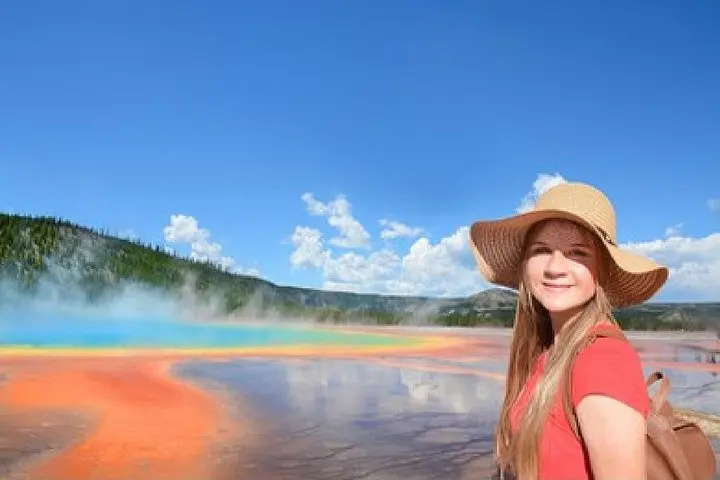
This full-day loop covers the iconic Lower Loop features — Oxbow Bend and Jackson Lake in Grand Teton, then into Yellowstone for Old Faithful, West Thumb’s shoreline hot springs, Fountain Paint Pots and Mud Pots, Hayden Valley’s rolling meadows, and the thunder of the Lower Falls in the Grand Canyon of the Yellowstone. Geology is the silent engine of the park: a vast volcanic caldera underpins steaming basins and mineral-streaked canyon walls. The paints and sulfur-sour steam you see are chemistry in motion—iron and silica reacting under heat and pressure, changing the landscape as you watch.
Human history threads through that geology. Yellowstone became the world’s first national park in 1872; the Old Faithful Inn, built in the park’s early tourism heyday, still frames eruptions with a timber-and-stone lobby that speaks to early 20th-century park architecture. Western wildlife cultures and indigenous histories tie to the rivers and valleys here — natural corridors that have fed people and predators for millennia.
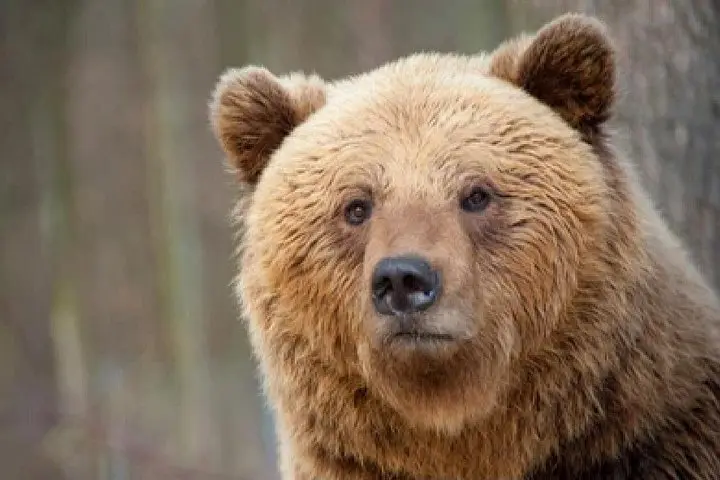
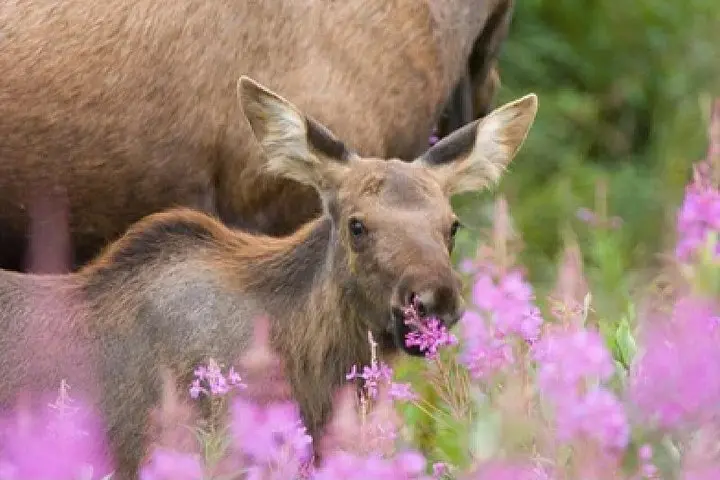
On tour you’re guided by naturalists who interpret wildfire ecology, geothermal hazards and behavioral cues for wildlife viewing. That matters: seeing bison or a bear at safe distance is as much about patience and placement as it is luck. The guide’s scopes bring distant herds and eagle nests into crisp focus; at boardwalks you trade horsepower for the slow mechanics of observation.
Practical details: this is a long day — expect roughly 13 hours including hotel pickup from Jackson, a picnic lunch served by the guide, and multiple short walks on boardwalks and viewing platforms. Wear sturdy walking shoes, layered clothing for rapid temperature swings, and bring sun protection and water. Binoculars and a spotting scope are provided, but photographers should carry extra batteries and a telephoto lens if they want close-up shots of wildlife from the roadside.
Timing and etiquette are part of the experience. Arrive ready to board at your pickup time, and be prepared for roadside stops where the guide will position the vehicle for optimal viewing while minimizing disturbance. Keep to the boardwalks around hydrothermal areas — every inch off-trail risks fragile microbial mats and your safety. In exchange you’ll collect a day of big, elemental scenes: geysers that mark the planet's heat, a canyon carved in fire and river, and wildlife that still moves in large, untamed herds.
No—wildlife are wild. Guides maximize chances by visiting prime habitats like Hayden Valley but sightings cannot be guaranteed.
Yes—a picnic-style lunch plus beverages and snacks are served by the guide during the tour.
The tour runs about 13 hours with multiple short stops for restroom access at park facilities and boardwalks.
Children 6 and older may be accepted; the operator disallows kids under 5—check with the supplier for age-specific rules.
Yes—Brushbuck Guide Services requires a call 14 days before departure to confirm pickup location in the Jackson Hole area.
Yes—this commercial tour operates with park authorization; guests do not need separate permits beyond park entrance fees where applicable.
BrushBuck Wildlife Tours operates guided outdoor trips and adventures with an emphasis on safety, stewardship, and memorable experiences.
You start before sunrise, the Tetons a low-black ridge to the east while the van eases onto U.S. 26 and the road that leads into Yellowstone. The air tightens with cold and expectation: steam rises ahead from boiling pools, and in the wide, watery valleys, bison silhouettes move like weather. Guides hand out scopes and binoculars and the group falls quiet the way a forest does when something alive passes through.
You start before sunrise, the Tetons a low-black ridge to the east while the van eases onto U.S. 26 and the road that leads into Yellowstone. The air tightens with cold and expectation: steam rises ahead from boiling pools, and in the wide, watery valleys, bison silhouettes move like weather. Guides hand out scopes and binoculars and the group falls quiet the way a forest does when something alive passes through.
This full-day loop covers the iconic Lower Loop features — Oxbow Bend and Jackson Lake in Grand Teton, then into Yellowstone for Old Faithful, West Thumb’s shoreline hot springs, Fountain Paint Pots and Mud Pots, Hayden Valley’s rolling meadows, and the thunder of the Lower Falls in the Grand Canyon of the Yellowstone. Geology is the silent engine of the park: a vast volcanic caldera underpins steaming basins and mineral-streaked canyon walls. The paints and sulfur-sour steam you see are chemistry in motion—iron and silica reacting under heat and pressure, changing the landscape as you watch.
Human history threads through that geology. Yellowstone became the world’s first national park in 1872; the Old Faithful Inn, built in the park’s early tourism heyday, still frames eruptions with a timber-and-stone lobby that speaks to early 20th-century park architecture. Western wildlife cultures and indigenous histories tie to the rivers and valleys here — natural corridors that have fed people and predators for millennia.
On tour you’re guided by naturalists who interpret wildfire ecology, geothermal hazards and behavioral cues for wildlife viewing. That matters: seeing bison or a bear at safe distance is as much about patience and placement as it is luck. The guide’s scopes bring distant herds and eagle nests into crisp focus; at boardwalks you trade horsepower for the slow mechanics of observation.
Practical details: this is a long day — expect roughly 13 hours including hotel pickup from Jackson, a picnic lunch served by the guide, and multiple short walks on boardwalks and viewing platforms. Wear sturdy walking shoes, layered clothing for rapid temperature swings, and bring sun protection and water. Binoculars and a spotting scope are provided, but photographers should carry extra batteries and a telephoto lens if they want close-up shots of wildlife from the roadside.
Timing and etiquette are part of the experience. Arrive ready to board at your pickup time, and be prepared for roadside stops where the guide will position the vehicle for optimal viewing while minimizing disturbance. Keep to the boardwalks around hydrothermal areas — every inch off-trail risks fragile microbial mats and your safety. In exchange you’ll collect a day of big, elemental scenes: geysers that mark the planet's heat, a canyon carved in fire and river, and wildlife that still moves in large, untamed herds.