THE ADVENTURE COLLECTIVE® · Independent discovery and booking for outdoor travel
Watch Yellowstone wake at dusk on a private sunset safari from West Yellowstone. With expert guides, spotting scopes, and small-group attention, this 4–5 hour tour targets elk, bison, wolves, and geothermal highlights in the golden hour.
Watch Yellowstone wake at dusk on a private sunset safari from West Yellowstone. With expert guides, spotting scopes, and small-group attention, this 4–5 hour tour targets elk, bison, wolves, and geothermal highlights in the golden hour.
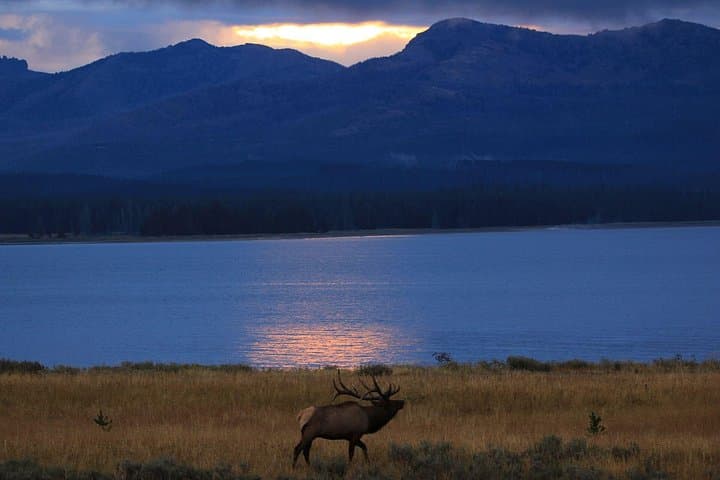
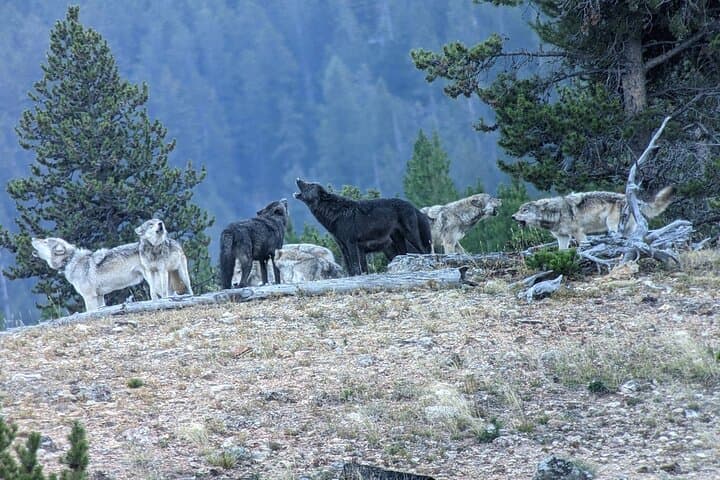
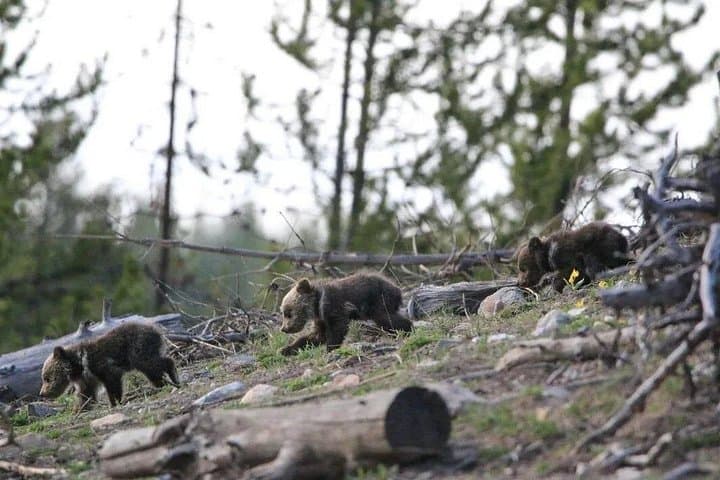
The van slows as the valley exhales — steam rising from hot springs, a late sun turning rhyolite cliffs to warm ochre. You step out into the cool of evening with a guide whose eyes are tuned to hushes in the brush. This is the hour when Yellowstone’s wildlife wakes up: elk move like soft shadows, bison graze along river flats, and wolves slip through sage like deliberate ghosts. The tour moves deliberately, stopping at geyser basins and river overlooks where the geothermal theater plays against prairies and lodgepole forest.
Verified experiences and guided adventures in the surrounding area.
Operated by Hayden Valley Nature Tours · West Yellowstone, Montana
The van slows as the valley exhales — steam rising from hot springs, a late sun turning rhyolite cliffs to warm ochre. You step out into the cool of evening with a guide whose eyes are tuned to hushes in the brush. This is the hour when Yellowstone’s wildlife wakes up: elk move like soft shadows, bison graze along river flats, and wolves slip through sage like deliberate ghosts. The tour moves deliberately, stopping at geyser basins and river overlooks where the geothermal theater plays against prairies and lodgepole forest.
Yellowstone sits above a resurgent supervolcano; its geology is loud and visible in silica terraces, fumaroles, and geysers that obey subterranean plumbing. The park’s modern routes follow older human histories — Crow, Shoshone, Bannock, and other tribes hunted and traveled these valleys for millennia. The federal creation of Yellowstone in 1872 sparked a new kind of encounter: tourism, science, and the early conservation movement. Tonight’s route threads those stories together — volcanic glass underfoot, wildlife behavior shaped by both ancient migration and modern management.
Guides point out more than animals. They’ll show thermal features that steam like living things and explain why bison wallow in the mud to shed insects. The sunset safari is quieter than daytime drives: fewer cars, longer watches, and better light for photography. That said, you’re still in a wild place — animals set the pace. Guides carry spotting scopes and binoculars, and they read the terrain like a score, moving so you can be close without disturbing the subject.
Practicalities matter. The tour is private and lasts roughly 4–5 hours, departing from West Yellowstone. Expect frequent stops, short walks to overlooks, and occasional time on unpaved pullouts. Dress in layers; evenings at altitude cool quickly. Keep your distance from wildlife — it’s both respectful and required. Bring a camera with a telephoto lens or be prepared to use the guide’s spotting scope. Snacks, water, and light gear are provided, but personal hydration and a charged phone or camera battery are essential.
Timing is tactical: adrenaline arrives when light softens and animals move toward feeding grounds. Your best encounters likely happen in Hayden Valley and around Lake Yellowstone’s edges; guides may detour to geyser basins if geothermal activity and wildlife reports align. If you’re staying in Gardiner, Big Sky, or inside the park, plan logistics — the tour starts from West Yellowstone, and pickup arrangements are confirmed a day before.
An evening safari here is an education and an invitation: Yellowstone is not a backdrop for selfies but an active, breathing landscape that will test your patience and reward stillness. When the last light fades, you’ll understand why staying until sunset feels less like an extra and more like the point.
The tour departs and returns to West Yellowstone; pickup options can be arranged from nearby hotels with confirmation the day before.
This is a private experience designed for just your group—sizes vary but the vehicle is configured for comfortable viewing.
Sightings cannot be guaranteed, but evening hours increase the chances of seeing active predators and large mammals; guides target known activity areas.
Yes—infants and small children can ride in a stroller; the tour is rated easy for all fitness levels.
Stops include public restrooms at major pullouts and visitor areas when available; guides plan breaks accordingly.
Only service animals are allowed; non-service pets are not permitted on the tour.
Hayden Valley Nature Tours operates guided outdoor trips and adventures with an emphasis on safety, stewardship, and memorable experiences.

The van slows as the valley exhales — steam rising from hot springs, a late sun turning rhyolite cliffs to warm ochre. You step out into the cool of evening with a guide whose eyes are tuned to hushes in the brush. This is the hour when Yellowstone’s wildlife wakes up: elk move like soft shadows, bison graze along river flats, and wolves slip through sage like deliberate ghosts. The tour moves deliberately, stopping at geyser basins and river overlooks where the geothermal theater plays against prairies and lodgepole forest.
The van slows as the valley exhales — steam rising from hot springs, a late sun turning rhyolite cliffs to warm ochre. You step out into the cool of evening with a guide whose eyes are tuned to hushes in the brush. This is the hour when Yellowstone’s wildlife wakes up: elk move like soft shadows, bison graze along river flats, and wolves slip through sage like deliberate ghosts. The tour moves deliberately, stopping at geyser basins and river overlooks where the geothermal theater plays against prairies and lodgepole forest.
Yellowstone sits above a resurgent supervolcano; its geology is loud and visible in silica terraces, fumaroles, and geysers that obey subterranean plumbing. The park’s modern routes follow older human histories — Crow, Shoshone, Bannock, and other tribes hunted and traveled these valleys for millennia. The federal creation of Yellowstone in 1872 sparked a new kind of encounter: tourism, science, and the early conservation movement. Tonight’s route threads those stories together — volcanic glass underfoot, wildlife behavior shaped by both ancient migration and modern management.
Guides point out more than animals. They’ll show thermal features that steam like living things and explain why bison wallow in the mud to shed insects. The sunset safari is quieter than daytime drives: fewer cars, longer watches, and better light for photography. That said, you’re still in a wild place — animals set the pace. Guides carry spotting scopes and binoculars, and they read the terrain like a score, moving so you can be close without disturbing the subject.
Practicalities matter. The tour is private and lasts roughly 4–5 hours, departing from West Yellowstone. Expect frequent stops, short walks to overlooks, and occasional time on unpaved pullouts. Dress in layers; evenings at altitude cool quickly. Keep your distance from wildlife — it’s both respectful and required. Bring a camera with a telephoto lens or be prepared to use the guide’s spotting scope. Snacks, water, and light gear are provided, but personal hydration and a charged phone or camera battery are essential.
Timing is tactical: adrenaline arrives when light softens and animals move toward feeding grounds. Your best encounters likely happen in Hayden Valley and around Lake Yellowstone’s edges; guides may detour to geyser basins if geothermal activity and wildlife reports align. If you’re staying in Gardiner, Big Sky, or inside the park, plan logistics — the tour starts from West Yellowstone, and pickup arrangements are confirmed a day before.
An evening safari here is an education and an invitation: Yellowstone is not a backdrop for selfies but an active, breathing landscape that will test your patience and reward stillness. When the last light fades, you’ll understand why staying until sunset feels less like an extra and more like the point.
