THE ADVENTURE COLLECTIVE® · Independent discovery and booking for outdoor travel

Spend a full winter day hunting for wolves, bison and elk with a naturalist guide. This Bozeman departure takes you into Yellowstone’s raw northern landscapes—Mammoth Hot Springs, Lamar Valley, Slough Creek—where optics, timing, and local knowledge turn long views into intimate encounters.
Spend a full winter day hunting for wolves, bison and elk with a naturalist guide. This Bozeman departure takes you into Yellowstone’s raw northern landscapes—Mammoth Hot Springs, Lamar Valley, Slough Creek—where optics, timing, and local knowledge turn long views into intimate encounters.
You step out into a Montana morning where the air is clean enough to bite. Exhaust from the van fogs and then clears as your guide eases onto the road toward Yellowstone’s north entrance. Snow compresses under boot and tire; steam rises from thermal vents like signals from a different climate. The day is long—roughly 10–11 hours—so the rhythm of the safari is alternately hushed and electric: long stretches of quiet watching, sudden bursts of movement when a bull elk lifts his head or a coyote slips between sagebrush.
Verified experiences and guided adventures in the surrounding area.
Operated by Yellowstone Safari Co. · Gardiner, Montana
You step out into a Montana morning where the air is clean enough to bite. Exhaust from the van fogs and then clears as your guide eases onto the road toward Yellowstone’s north entrance. Snow compresses under boot and tire; steam rises from thermal vents like signals from a different climate. The day is long—roughly 10–11 hours—so the rhythm of the safari is alternately hushed and electric: long stretches of quiet watching, sudden bursts of movement when a bull elk lifts his head or a coyote slips between sagebrush.
Yellowstone sits at the heart of the Greater Yellowstone Ecosystem, a landscape forged by volcanism and carved by ice. The tour routes trace geological history—travertine terraces at Mammoth Hot Springs formed from mineral-rich waters, petrified wood that hints at a greenhouse past, and waterfalls slowly chewing back their cliffs. In winter, the valley’s bones become more legible. With fewer leaves and lower light, you see the river channels and migration corridors that animals rely on.
Culturally, this is a place of early park protection and ongoing debates about human access and wildlife management. Stops such as the Roosevelt Arch and the Albright Visitor Center are reminders that Yellowstone was one of the first landscapes Americans moved to preserve—often through the work of cavalry troops and early rangers.
The practical reality of winter safari is simple: nature sets the pace. Guides on this full-day trip are naturalists who read animal signs and handle optics—UHD binoculars and spotting scopes are provided—and they’ll plan walking and viewing to match the group. Expect stops at Mammoth Hot Springs, Slough Creek, the Lamar Valley (often called the continent’s richest wildlife corridor), and strategic pullouts along the Yellowstone River and Paradise Valley.
Prepare for cold that feels invasive: layered, breathable clothing; an insulated waterproof boot; gloves that allow you to operate a camera; and a warm hat. Park fees and gratuities aren’t included, and the tour can cancel for severe weather or low participation, so schedule flexibility helps. Children may join from age eight; the day suits most fitness levels since activity is mostly vehicle-based with short walks.
For photographers: use a telephoto lens (300mm+) and stabilize with a monopod for long-distance animal shots. Respect distance rules—wildlife here is not for close encounters. Above all, let the day re-tune you. The valley will test patience but reward attention; when a wolf pauses in the drift or a herd of bison moves like a slow tide, the landscape feels alive with intent.
The safari runs approximately 10–11 hours (600–660 minutes) and departs from Bozeman with multiple stops in northern Yellowstone.
No—park fees and gratuities are not included in the tour price.
Children aged eight and older may participate; if a child needs a booster or car seat, bring it with you.
Sightings aren’t guaranteed—guides maximize chances by visiting known habitat corridors like Lamar Valley, but wildlife is unpredictable.
Yes—UHD binoculars and spotting scopes are provided to all guests for closer views.
The tour can cancel for severe weather or insufficient travelers; cancel at least 24 hours ahead for a full refund.
Yellowstone Safari Co. operates guided outdoor trips and adventures with an emphasis on safety, stewardship, and memorable experiences.
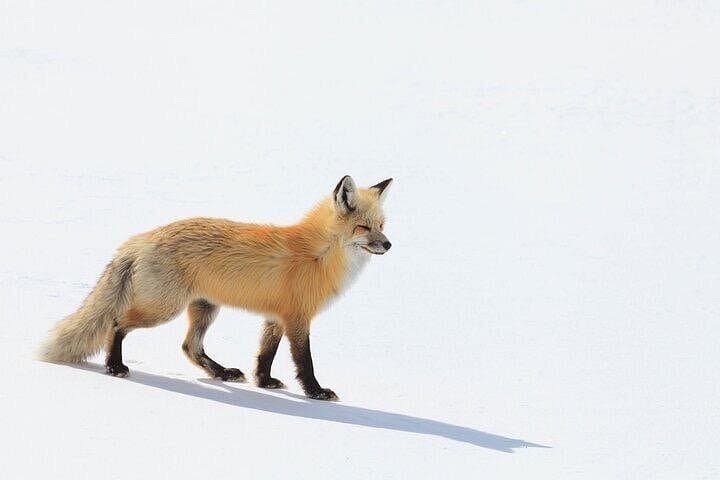
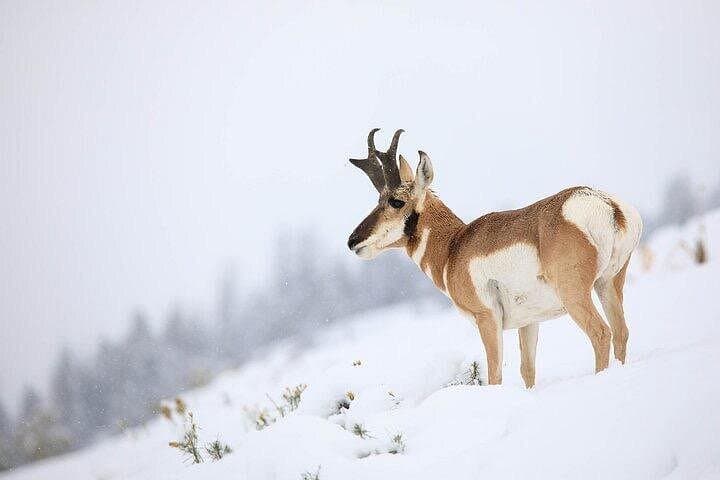
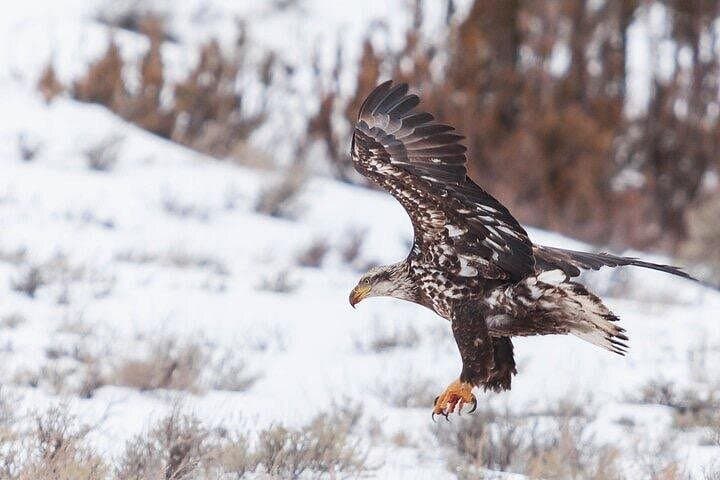
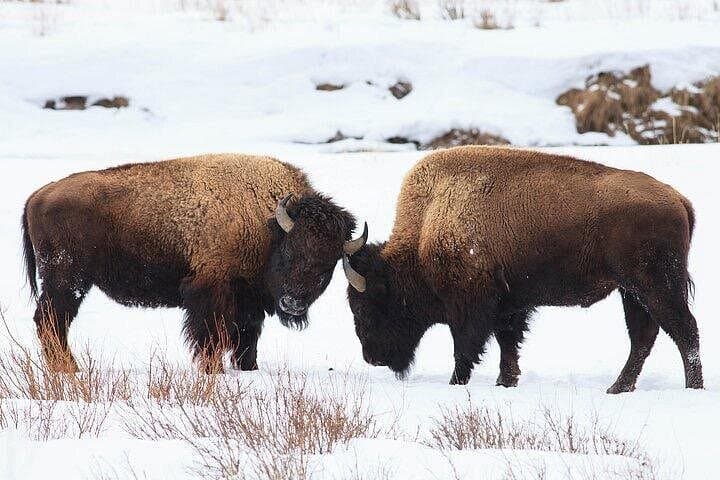
You step out into a Montana morning where the air is clean enough to bite. Exhaust from the van fogs and then clears as your guide eases onto the road toward Yellowstone’s north entrance. Snow compresses under boot and tire; steam rises from thermal vents like signals from a different climate. The day is long—roughly 10–11 hours—so the rhythm of the safari is alternately hushed and electric: long stretches of quiet watching, sudden bursts of movement when a bull elk lifts his head or a coyote slips between sagebrush.
You step out into a Montana morning where the air is clean enough to bite. Exhaust from the van fogs and then clears as your guide eases onto the road toward Yellowstone’s north entrance. Snow compresses under boot and tire; steam rises from thermal vents like signals from a different climate. The day is long—roughly 10–11 hours—so the rhythm of the safari is alternately hushed and electric: long stretches of quiet watching, sudden bursts of movement when a bull elk lifts his head or a coyote slips between sagebrush.
Yellowstone sits at the heart of the Greater Yellowstone Ecosystem, a landscape forged by volcanism and carved by ice. The tour routes trace geological history—travertine terraces at Mammoth Hot Springs formed from mineral-rich waters, petrified wood that hints at a greenhouse past, and waterfalls slowly chewing back their cliffs. In winter, the valley’s bones become more legible. With fewer leaves and lower light, you see the river channels and migration corridors that animals rely on.
Culturally, this is a place of early park protection and ongoing debates about human access and wildlife management. Stops such as the Roosevelt Arch and the Albright Visitor Center are reminders that Yellowstone was one of the first landscapes Americans moved to preserve—often through the work of cavalry troops and early rangers.
The practical reality of winter safari is simple: nature sets the pace. Guides on this full-day trip are naturalists who read animal signs and handle optics—UHD binoculars and spotting scopes are provided—and they’ll plan walking and viewing to match the group. Expect stops at Mammoth Hot Springs, Slough Creek, the Lamar Valley (often called the continent’s richest wildlife corridor), and strategic pullouts along the Yellowstone River and Paradise Valley.
Prepare for cold that feels invasive: layered, breathable clothing; an insulated waterproof boot; gloves that allow you to operate a camera; and a warm hat. Park fees and gratuities aren’t included, and the tour can cancel for severe weather or low participation, so schedule flexibility helps. Children may join from age eight; the day suits most fitness levels since activity is mostly vehicle-based with short walks.
For photographers: use a telephoto lens (300mm+) and stabilize with a monopod for long-distance animal shots. Respect distance rules—wildlife here is not for close encounters. Above all, let the day re-tune you. The valley will test patience but reward attention; when a wolf pauses in the drift or a herd of bison moves like a slow tide, the landscape feels alive with intent.