THE ADVENTURE COLLECTIVE® · Independent discovery and booking for outdoor travel

Rise before dawn and watch Yellowstone come alive in winter—wolves, bison, and elk against a wide, snowy plain. This 4-day guided safari from Bozeman focuses on ethical wildlife viewing in Lamar Valley with local guides, scopes, and lodging in Gardiner and Cooke City.
Rise before dawn and watch Yellowstone come alive in winter—wolves, bison, and elk against a wide, snowy plain. This 4-day guided safari from Bozeman focuses on ethical wildlife viewing in Lamar Valley with local guides, scopes, and lodging in Gardiner and Cooke City.
The vehicle eases out of Bozeman before dawn and the thermals rising off the Yellowstone River stitch the valley edges with cold silver. Lamps throw cones of light across the road as the guide checks scopes and binoculars; breath fogs in short white bursts. By the time the first pale sun lifts above the Absaroka Range, the Lamar Valley opens like a stage, vast and spare, its grasses flattened under snow and the silhouettes of bison and elk marking the plain.
Verified experiences and guided adventures in the surrounding area.
Operated by BrushBuck Wildlife Tours · Gardiner, Montana
The vehicle eases out of Bozeman before dawn and the thermals rising off the Yellowstone River stitch the valley edges with cold silver. Lamps throw cones of light across the road as the guide checks scopes and binoculars; breath fogs in short white bursts. By the time the first pale sun lifts above the Absaroka Range, the Lamar Valley opens like a stage, vast and spare, its grasses flattened under snow and the silhouettes of bison and elk marking the plain.
This four-day winter tour threads together the history and hard edges of Yellowstone: Roosevelt’s 1903 arch at the north entrance, travertine terraces at Mammoth Hot Springs, and the long, complex story of wolves here—removed in the early 20th century and reintroduced in 1995, reshaping predator-prey dynamics across the park. Geologically, the valley is a story of ancient fire and uplift; the caldera beneath the park is slow-burning memory, giving rise to geysers and hot springs that steam even in subzero air.
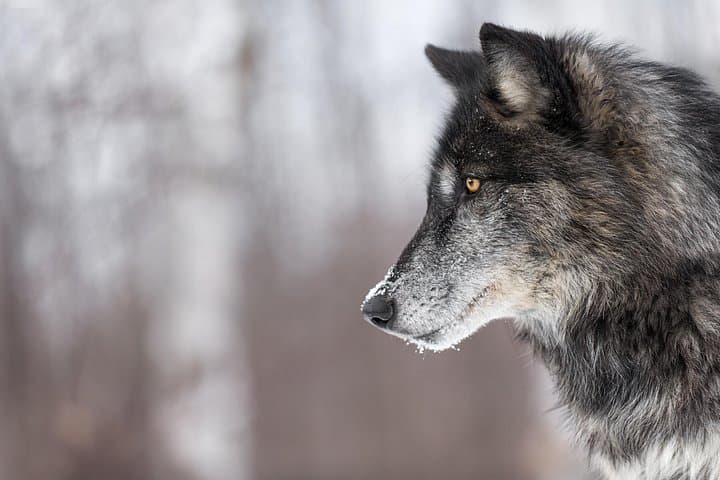
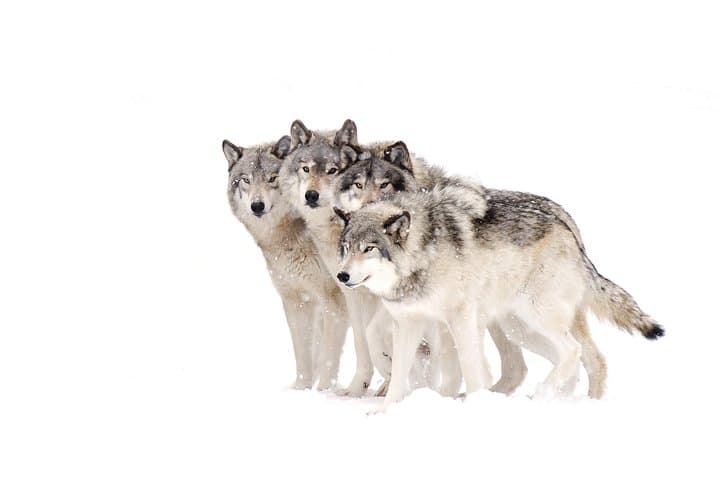
Culturally, the landscape is still used by ranching communities and carries Native American histories of hunting and passage. Today you watch wolves that learned to use the winter—thin ground, exposed carcasses, open sightlines—to hunt and survive. The animals give the land a new voice: wolves test the wind, bison push through drifts, and ravens ride thermals like black punctuation.
Practicalities are straightforward. The tour runs from Bozeman with overnight stays in Gardiner and Cooke City; expect long days spent from the warmth of a suburban-sized vehicle stepping out for planned viewing stops. Guides supply spotting scopes and binoculars, and they read radio updates, pack knowledge of wolf pack territories, and shift routes when the scent of wolves is strongest. Dress in layered insulating clothing, bring a camera with a long lens, and be ready to stand quietly for extended periods—your reward is watching wolves at a distance moving with purpose across an open plain.
Wildlife viewing in winter is weather dependent; storms can close roads and change plans, and every sighting depends on the animals’ choices that day. For photographers, light is best at first and last light; for comfort, heat packs and waterproof boots matter more than a heavy tripod. The guides emphasize ethical viewing—no approaching wildlife, minimal disturbance—so the animals remain wild and the experience stays raw.
If you want a concentrated encounter with Yellowstone’s predators and the stark beauty of a winter ecosystem, this trip delivers—practical, guided, and tuned to one of the planet’s best places to see wolves in the wild.
No—sightings are likely but not guaranteed; guides use local networks and trackers to increase chances, but wildlife are unpredictable.
Layered, moisture-wicking clothing, windproof outer shell, insulated boots, warm hat, gloves, and hand warmers are recommended.
Children are allowed but must be accompanied by an adult; consider cold tolerance and long days when booking for young travelers.
Guides maintain safe distances and use scopes; viewers often observe animals from several hundred meters away depending on terrain and behavior.
National Park fees are included in the tour inclusions; check with the operator for any changes to fees or permits.
The operator may alter the itinerary or cancel portions for safety; winter storms can close park roads and affect viewing plans.
BrushBuck Wildlife Tours operates guided outdoor trips and adventures with an emphasis on safety, stewardship, and memorable experiences.


The vehicle eases out of Bozeman before dawn and the thermals rising off the Yellowstone River stitch the valley edges with cold silver. Lamps throw cones of light across the road as the guide checks scopes and binoculars; breath fogs in short white bursts. By the time the first pale sun lifts above the Absaroka Range, the Lamar Valley opens like a stage, vast and spare, its grasses flattened under snow and the silhouettes of bison and elk marking the plain.
The vehicle eases out of Bozeman before dawn and the thermals rising off the Yellowstone River stitch the valley edges with cold silver. Lamps throw cones of light across the road as the guide checks scopes and binoculars; breath fogs in short white bursts. By the time the first pale sun lifts above the Absaroka Range, the Lamar Valley opens like a stage, vast and spare, its grasses flattened under snow and the silhouettes of bison and elk marking the plain.
This four-day winter tour threads together the history and hard edges of Yellowstone: Roosevelt’s 1903 arch at the north entrance, travertine terraces at Mammoth Hot Springs, and the long, complex story of wolves here—removed in the early 20th century and reintroduced in 1995, reshaping predator-prey dynamics across the park. Geologically, the valley is a story of ancient fire and uplift; the caldera beneath the park is slow-burning memory, giving rise to geysers and hot springs that steam even in subzero air.
Culturally, the landscape is still used by ranching communities and carries Native American histories of hunting and passage. Today you watch wolves that learned to use the winter—thin ground, exposed carcasses, open sightlines—to hunt and survive. The animals give the land a new voice: wolves test the wind, bison push through drifts, and ravens ride thermals like black punctuation.
Practicalities are straightforward. The tour runs from Bozeman with overnight stays in Gardiner and Cooke City; expect long days spent from the warmth of a suburban-sized vehicle stepping out for planned viewing stops. Guides supply spotting scopes and binoculars, and they read radio updates, pack knowledge of wolf pack territories, and shift routes when the scent of wolves is strongest. Dress in layered insulating clothing, bring a camera with a long lens, and be ready to stand quietly for extended periods—your reward is watching wolves at a distance moving with purpose across an open plain.
Wildlife viewing in winter is weather dependent; storms can close roads and change plans, and every sighting depends on the animals’ choices that day. For photographers, light is best at first and last light; for comfort, heat packs and waterproof boots matter more than a heavy tripod. The guides emphasize ethical viewing—no approaching wildlife, minimal disturbance—so the animals remain wild and the experience stays raw.
If you want a concentrated encounter with Yellowstone’s predators and the stark beauty of a winter ecosystem, this trip delivers—practical, guided, and tuned to one of the planet’s best places to see wolves in the wild.