THE ADVENTURE COLLECTIVE® · Independent discovery and booking for outdoor travel

Head into Yellowstone’s quietest season on a private, five-hour winter safari from Gardiner. Target Lamar Valley wolves and frosted bison with an expert guide, heated vehicle, and spotting scope for close, responsible viewing.
Head into Yellowstone’s quietest season on a private, five-hour winter safari from Gardiner. Target Lamar Valley wolves and frosted bison with an expert guide, heated vehicle, and spotting scope for close, responsible viewing.
The vehicle slips onto a snow-swept road and the valley opens like a photograph: wide, pale, and alive. Attendees settle into heated seats while a guide scans binoculars, eyes tracking black shapes against white slopes. In winter, Yellowstone throws back the noise of summer and narrows focus to animals—bison patterned in frost, elk printing the snow, and, if fortune favors you, wolves moving in tight, purposeful lines through Lamar Valley.
Verified experiences and guided adventures in the surrounding area.
Operated by Hayden Valley Nature Tours · Gardiner, Montana
The vehicle slips onto a snow-swept road and the valley opens like a photograph: wide, pale, and alive. Attendees settle into heated seats while a guide scans binoculars, eyes tracking black shapes against white slopes. In winter, Yellowstone throws back the noise of summer and narrows focus to animals—bison patterned in frost, elk printing the snow, and, if fortune favors you, wolves moving in tight, purposeful lines through Lamar Valley.
This private, five-hour safari departs Gardiner and concentrates on the park’s northern reaches—Lamar Valley and Mammoth Hot Springs—sites shaped by fire and ice. Yellowstone sits above a massive caldera; its geology powers steaming terraces at Mammoth where mineral-laden water builds sculpted travertine over millennia. Lamar Valley, a low, broad basin flanked by sage and conifer, has long been winter range for elk and a hunting ground for wolves reintroduced here in the 1990s. The valley’s open sightlines and predictable predator-prey dynamics make it a premier setting for responsible wildlife viewing.
Culturally, this landscape is ancestral land of Crow and Shoshone peoples; modern guides will often weave natural history with the human story, noting seasonal patterns and the ethics of observation. Expect a vehicle-based experience that minimizes footprint: long looks through spotting scopes and short, careful exits for photos or stretches on packed-snow boardwalks at Mammoth.
Practicalities matter. The tour runs roughly five hours with hotel pickup in Gardiner; dress for sub-freezing temperatures—layers, insulated boots, and face protection are non-negotiable. Altitude averages near 5,000–6,200 ft; short walks are on flat, compacted surfaces but icy spots can surprise. Guides provide binoculars and a spotting scope, and the private format means the day can flex around sightings—lingering where wolves appear, shifting to a bison aggregation as needed.
To get the most from the trip: arrive rested, keep camera batteries warm, and carry extra hand warmers. Listen to your guide—their placements are about safety as much as optics. For travelers plotting logistics, Gardiner offers easy access to the park’s northern gate and a handful of dining options, but consider packing a thermos and snacks if you want more autonomy between stops.
This is winter wildlife watching in practical terms: sharp light, dramatic animal behavior, and quiet roads that let you watch the landscape move. It’s an encounter that rewards patience and preparation—come with the right gear and a readiness to watch Yellowstone put on its cold-weather performance.
Winter improves wolf visibility in Lamar Valley because they range more predictably with elk herds; while sighting cannot be guaranteed, private groups increase flexibility to follow leads and spend more time at sightings.
Pickup is available from hotels in Gardiner; guests provide their preferred pickup point and are contacted the day before to confirm logistics.
Yes—this vehicle-based safari is suitable for a wide range of ages and fitness levels, though participants should be able to board the vehicle and tolerate cold conditions for several hours.
The tour includes snacks and drinks; guests should bring a sturdy lunch or thermos if they prefer a full meal during the five-hour window.
The operator cancels in severe weather and offers a full refund if canceled at least 24 hours before departure or by the supplier for unsafe conditions on the day of travel.
Restroom stops are limited to facilities at Mammoth and brief stops at designated pullouts; plan accordingly and dress for quick outdoor breaks if necessary.
Hayden Valley Nature Tours operates guided outdoor trips and adventures with an emphasis on safety, stewardship, and memorable experiences.
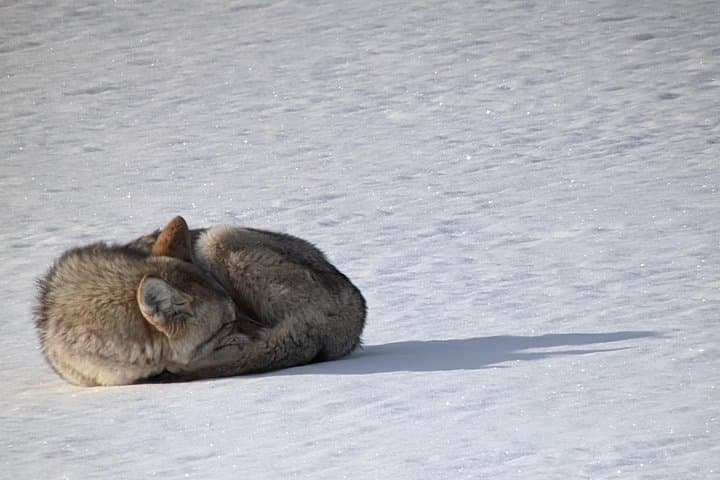
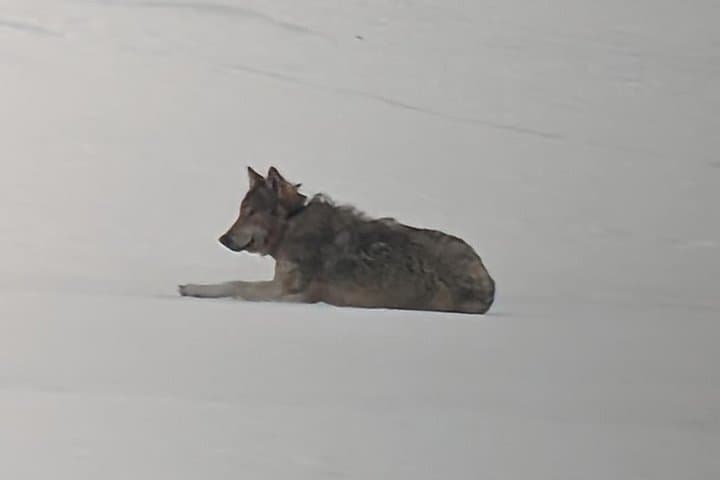


The vehicle slips onto a snow-swept road and the valley opens like a photograph: wide, pale, and alive. Attendees settle into heated seats while a guide scans binoculars, eyes tracking black shapes against white slopes. In winter, Yellowstone throws back the noise of summer and narrows focus to animals—bison patterned in frost, elk printing the snow, and, if fortune favors you, wolves moving in tight, purposeful lines through Lamar Valley.
The vehicle slips onto a snow-swept road and the valley opens like a photograph: wide, pale, and alive. Attendees settle into heated seats while a guide scans binoculars, eyes tracking black shapes against white slopes. In winter, Yellowstone throws back the noise of summer and narrows focus to animals—bison patterned in frost, elk printing the snow, and, if fortune favors you, wolves moving in tight, purposeful lines through Lamar Valley.
This private, five-hour safari departs Gardiner and concentrates on the park’s northern reaches—Lamar Valley and Mammoth Hot Springs—sites shaped by fire and ice. Yellowstone sits above a massive caldera; its geology powers steaming terraces at Mammoth where mineral-laden water builds sculpted travertine over millennia. Lamar Valley, a low, broad basin flanked by sage and conifer, has long been winter range for elk and a hunting ground for wolves reintroduced here in the 1990s. The valley’s open sightlines and predictable predator-prey dynamics make it a premier setting for responsible wildlife viewing.
Culturally, this landscape is ancestral land of Crow and Shoshone peoples; modern guides will often weave natural history with the human story, noting seasonal patterns and the ethics of observation. Expect a vehicle-based experience that minimizes footprint: long looks through spotting scopes and short, careful exits for photos or stretches on packed-snow boardwalks at Mammoth.
Practicalities matter. The tour runs roughly five hours with hotel pickup in Gardiner; dress for sub-freezing temperatures—layers, insulated boots, and face protection are non-negotiable. Altitude averages near 5,000–6,200 ft; short walks are on flat, compacted surfaces but icy spots can surprise. Guides provide binoculars and a spotting scope, and the private format means the day can flex around sightings—lingering where wolves appear, shifting to a bison aggregation as needed.
To get the most from the trip: arrive rested, keep camera batteries warm, and carry extra hand warmers. Listen to your guide—their placements are about safety as much as optics. For travelers plotting logistics, Gardiner offers easy access to the park’s northern gate and a handful of dining options, but consider packing a thermos and snacks if you want more autonomy between stops.
This is winter wildlife watching in practical terms: sharp light, dramatic animal behavior, and quiet roads that let you watch the landscape move. It’s an encounter that rewards patience and preparation—come with the right gear and a readiness to watch Yellowstone put on its cold-weather performance.