THE ADVENTURE COLLECTIVE® · Independent discovery and booking for outdoor travel

Take a private day trip from Hanoi to Yen Tu Mountain for cable-car ascents, historic Zen monasteries, and a short summit walk to the bronze Dong Pagoda. This trip balances easy access with cultural depth—ideal for travelers wanting reflection and mountain air in one day.
Take a private day trip from Hanoi to Yen Tu Mountain for cable-car ascents, historic Zen monasteries, and a short summit walk to the bronze Dong Pagoda. This trip balances easy access with cultural depth—ideal for travelers wanting reflection and mountain air in one day.
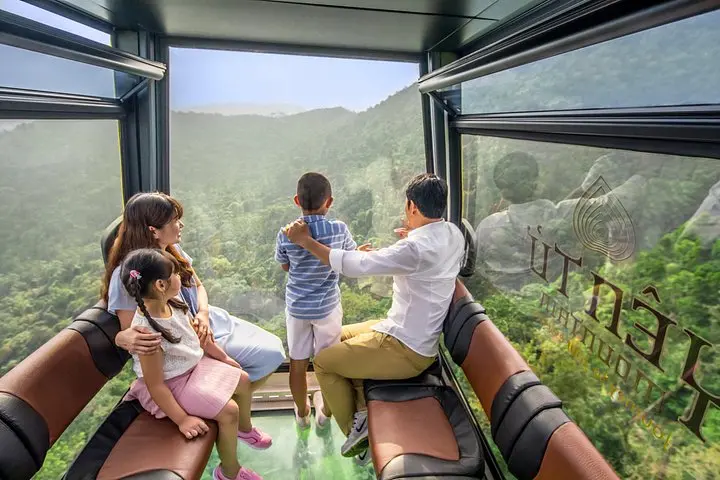
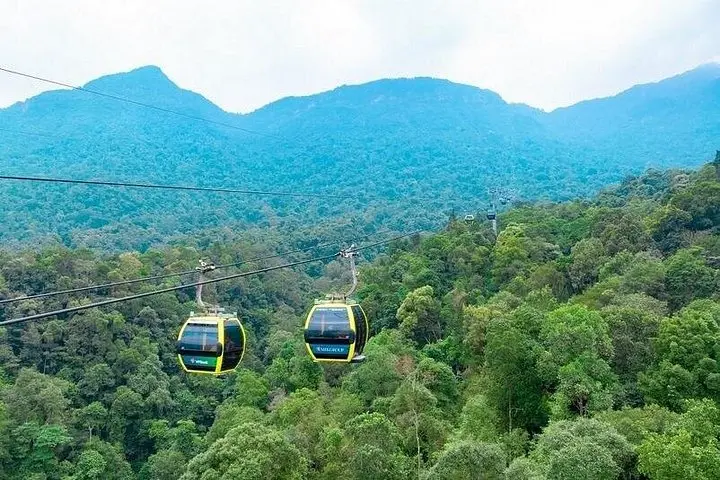
Mists lift off the valley as your van leaves Hanoi, and the road narrows into rice paddies before climbing toward pine-scented slopes. By midmorning you stand at the foot of Yen Tu, where cable cars thread through cloud pockets and ancient stone steps thread the ridgeline. The first pagodas appear like calm witnesses—rooflines and prayer flags punctuating a quiet that invites a slower pace.
Verified experiences and guided adventures in the surrounding area.
Operated by Authentic SAPA · Uong Bi, Quang Ninh Province
Mists lift off the valley as your van leaves Hanoi, and the road narrows into rice paddies before climbing toward pine-scented slopes. By midmorning you stand at the foot of Yen Tu, where cable cars thread through cloud pockets and ancient stone steps thread the ridgeline. The first pagodas appear like calm witnesses—rooflines and prayer flags punctuating a quiet that invites a slower pace.
Yen Tu is the cradle of Vietnamese Zen Buddhism. In the 13th century, Prince Tran Nhan Tong founded a monastic tradition here; monks carved terraces and built wooden and bronze shrines into the mountain’s seams. Geologically, the range is modest—rounded granite and metamorphic outcrops worn by monsoon rains—but its height concentrates mist, creating the atmospheric conditions pilgrims prize.
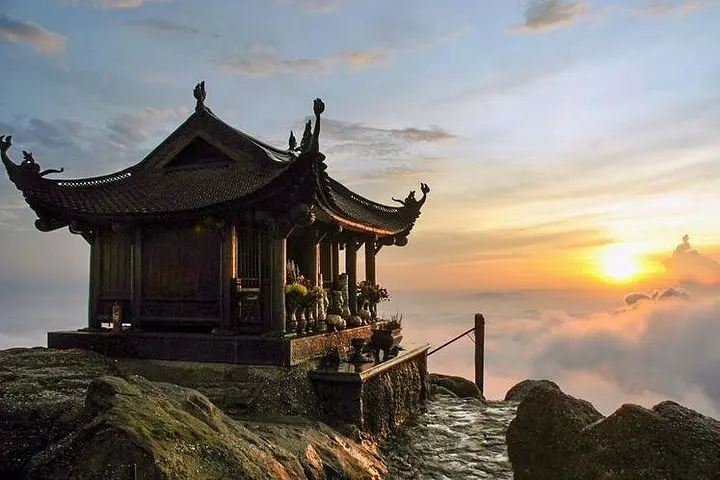
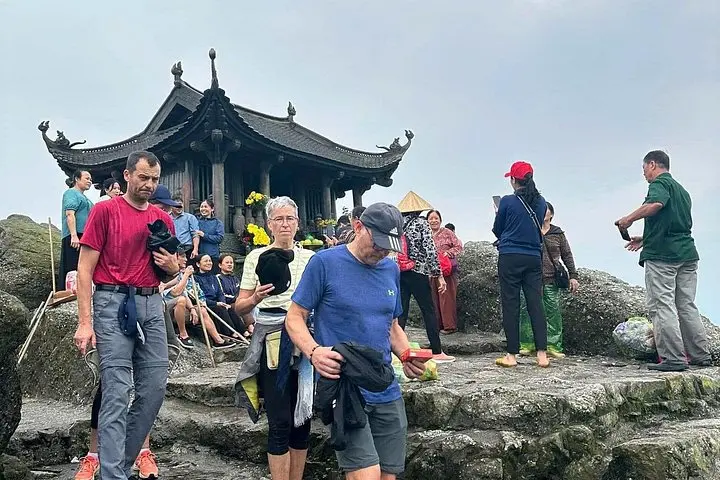
Expect a blend of cultural stops and easy alpine walking: Truc Lam (Bamboo Grove) and Hoa Yen Pagoda are accessible via cable car, while a final short ascent reaches Dong Pagoda at about 1,068 m, where views can extend toward Ha Long Bay on clear days. Local guides explain votive practices and timing for incense offerings; a simple Vietnamese lunch in the valley refuels before the return.
Practical notes: dress in layers for sudden temperature shifts, wear sturdy shoes for wet stone steps, and carry water—shade is limited between pagodas. Timing matters—arrive early to avoid cable-car queues and to catch the clearest views. The route is friendly for most fitness levels but still rewards respectful pace and quiet observation.
Expect about a three-hour drive each way depending on traffic; this private tour is planned as a full-day outing.
The final walk from the upper cable-car station is a short but sometimes steep path and stairs; it’s manageable for most visitors at a moderate pace.
Round-trip cable car tickets are included in the tour price; you can choose to walk portions if you prefer, but the route is designed around cable-car access.
Yes, but be aware festivals draw large pilgrimage crowds and may lengthen wait times; check local calendars if you want a quieter visit.
Authentic SAPA operates guided outdoor trips and adventures with an emphasis on safety, stewardship, and memorable experiences.
Mists lift off the valley as your van leaves Hanoi, and the road narrows into rice paddies before climbing toward pine-scented slopes. By midmorning you stand at the foot of Yen Tu, where cable cars thread through cloud pockets and ancient stone steps thread the ridgeline. The first pagodas appear like calm witnesses—rooflines and prayer flags punctuating a quiet that invites a slower pace.
Mists lift off the valley as your van leaves Hanoi, and the road narrows into rice paddies before climbing toward pine-scented slopes. By midmorning you stand at the foot of Yen Tu, where cable cars thread through cloud pockets and ancient stone steps thread the ridgeline. The first pagodas appear like calm witnesses—rooflines and prayer flags punctuating a quiet that invites a slower pace.
Yen Tu is the cradle of Vietnamese Zen Buddhism. In the 13th century, Prince Tran Nhan Tong founded a monastic tradition here; monks carved terraces and built wooden and bronze shrines into the mountain’s seams. Geologically, the range is modest—rounded granite and metamorphic outcrops worn by monsoon rains—but its height concentrates mist, creating the atmospheric conditions pilgrims prize.
Expect a blend of cultural stops and easy alpine walking: Truc Lam (Bamboo Grove) and Hoa Yen Pagoda are accessible via cable car, while a final short ascent reaches Dong Pagoda at about 1,068 m, where views can extend toward Ha Long Bay on clear days. Local guides explain votive practices and timing for incense offerings; a simple Vietnamese lunch in the valley refuels before the return.
Practical notes: dress in layers for sudden temperature shifts, wear sturdy shoes for wet stone steps, and carry water—shade is limited between pagodas. Timing matters—arrive early to avoid cable-car queues and to catch the clearest views. The route is friendly for most fitness levels but still rewards respectful pace and quiet observation.