THE ADVENTURE COLLECTIVE® · Independent discovery and booking for outdoor travel

Ride a scenic cable car through forested slopes and climb stone steps to Dong Pagoda atop Yen Tu Mountain. This full-day from Ha Long blends history, panoramic views, and accessible mountain hiking.
Ride a scenic cable car through forested slopes and climb stone steps to Dong Pagoda atop Yen Tu Mountain. This full-day from Ha Long blends history, panoramic views, and accessible mountain hiking.
You step off the air-conditioned van into cool mountain air and a band of cloud drifting through firs—the cable car waits like a deliberate breath, lifting you above jungle ribs toward Hoa Yen Pagoda.
Verified experiences and guided adventures in the surrounding area.
Operated by Hoi An Express Travel · Uong Bi, Quang Ninh Province
You step off the air-conditioned van into cool mountain air and a band of cloud drifting through firs—the cable car waits like a deliberate breath, lifting you above jungle ribs toward Hoa Yen Pagoda.
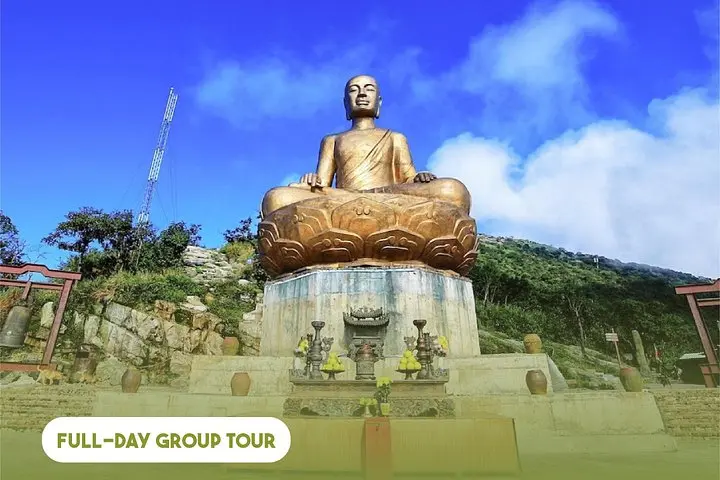
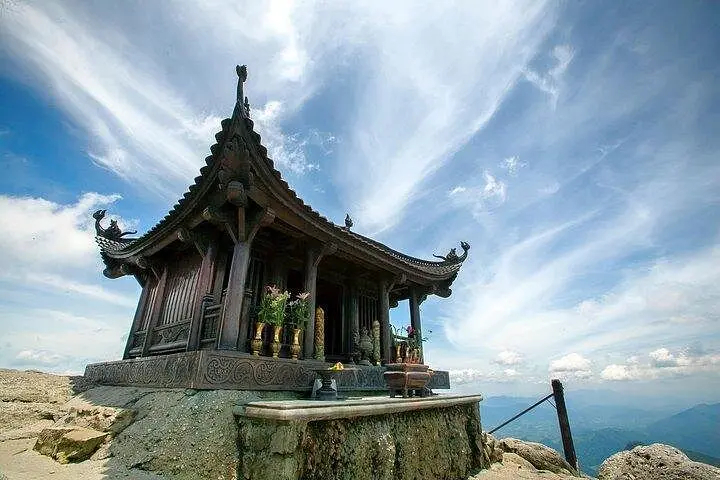
Yen Tu is both pilgrimage and highland walk: stone steps that have guided devotees for centuries climb through mixed evergreen forest to a summit pagoda. The route moves from a relaxed, 15‑minute cable-car glide over dense canopy to a steeper 1.5‑hour ascent of carved stone steps toward Dong Pagoda at roughly 1,068 meters. Along the way, 700‑year‑old frangipani trees watch the path and small shrines press close to the rock.
Historically, Yen Tu is the cradle of the Truc Lam Zen tradition begun by King Trần Nhân Tông after his abdication in the late 13th century; its temples reflect layered wooden and stone architecture adapted to steep terrain. Geologically the massif is a folded limestone ridge, eroded into terraces and cliffs with pockets of soil that support moss and orchids.
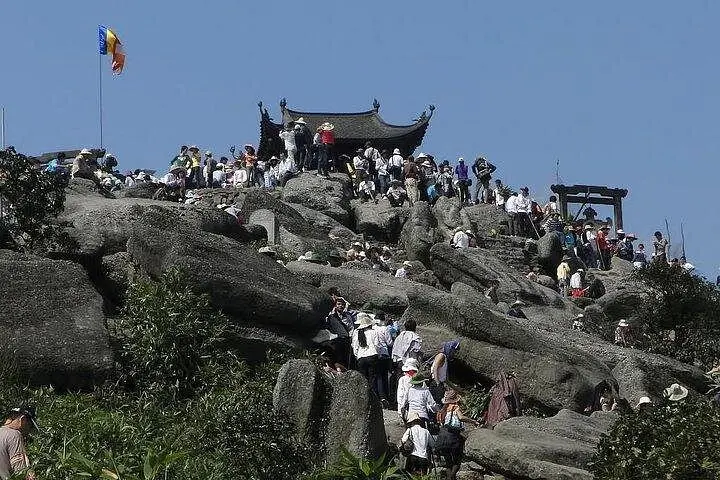
Practical guidance: expect alternating paved temple courtyards and uneven stone steps. Start early to avoid festival crowds and midday heat, bring layers for cooler summit winds, and carry water—the tour includes bottled water. Footwear with good traction matters; the upper slope can be slick after rain. If you visit during the Yen Tu Festival (lunar new year period) plan extra time for queues at the cable car and temples.
The day balances contemplative spaces with panoramic northern Vietnam views—an accessible summit experience that rewards steady pacing and a respect for both culture and terrain.
The climb from Hoa Yen Pagoda to Dong Pagoda is commonly about 1.5 hours for moderately fit visitors, following steep stone steps and occasional paved stretches.
The tour includes a 15‑minute cable car ride; it’s low intensity but gains elevation quickly—if you’re uncomfortable with heights, you can choose to walk parts of the lower approach instead.
Weekdays outside the lunar new year festival window (Yen Tu Festival) are quietest; mornings clear of fog offer the best views and fewer visitors.
Yes—the itinerary includes a traditional vegetarian lunch at a local restaurant reflecting the mountain’s monastic culinary traditions.
Hoi An Express Travel operates guided outdoor trips and adventures with an emphasis on safety, stewardship, and memorable experiences.
You step off the air-conditioned van into cool mountain air and a band of cloud drifting through firs—the cable car waits like a deliberate breath, lifting you above jungle ribs toward Hoa Yen Pagoda.
You step off the air-conditioned van into cool mountain air and a band of cloud drifting through firs—the cable car waits like a deliberate breath, lifting you above jungle ribs toward Hoa Yen Pagoda.
Yen Tu is both pilgrimage and highland walk: stone steps that have guided devotees for centuries climb through mixed evergreen forest to a summit pagoda. The route moves from a relaxed, 15‑minute cable-car glide over dense canopy to a steeper 1.5‑hour ascent of carved stone steps toward Dong Pagoda at roughly 1,068 meters. Along the way, 700‑year‑old frangipani trees watch the path and small shrines press close to the rock.
Historically, Yen Tu is the cradle of the Truc Lam Zen tradition begun by King Trần Nhân Tông after his abdication in the late 13th century; its temples reflect layered wooden and stone architecture adapted to steep terrain. Geologically the massif is a folded limestone ridge, eroded into terraces and cliffs with pockets of soil that support moss and orchids.
Practical guidance: expect alternating paved temple courtyards and uneven stone steps. Start early to avoid festival crowds and midday heat, bring layers for cooler summit winds, and carry water—the tour includes bottled water. Footwear with good traction matters; the upper slope can be slick after rain. If you visit during the Yen Tu Festival (lunar new year period) plan extra time for queues at the cable car and temples.
The day balances contemplative spaces with panoramic northern Vietnam views—an accessible summit experience that rewards steady pacing and a respect for both culture and terrain.