THE ADVENTURE COLLECTIVE® · Independent discovery and booking for outdoor travel

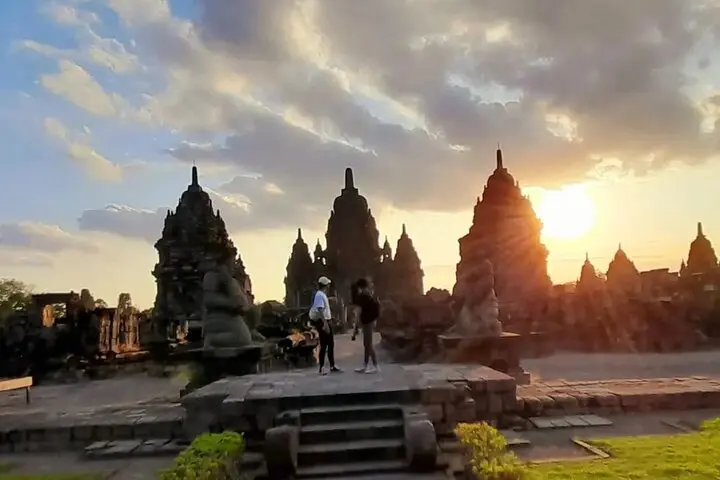
Spend a day tracing Yogyakarta’s living heritage from the Sultan’s Palace and Tamansari Water Castle to the ragged grandeur of Prambanan. Finish with sunset at Sewu temple for the best light on the spires.
Spend a day tracing Yogyakarta’s living heritage from the Sultan’s Palace and Tamansari Water Castle to the ragged grandeur of Prambanan. Finish with sunset at Sewu temple for the best light on the spires.
Late afternoon light slices between temple spires as you step from the private van into a spread of carved stone and shadow. The air carries incense and the low murmur of a city that still moves at a human pace — vendors folding batik, scooters threading narrow streets, and the slow, ceremonial gait of Keraton guards.
Verified experiences and guided adventures in the surrounding area.
Operated by Izzati Jogjatour · Yogyakarta, Special Region of Yogyakarta
Late afternoon light slices between temple spires as you step from the private van into a spread of carved stone and shadow. The air carries incense and the low murmur of a city that still moves at a human pace — vendors folding batik, scooters threading narrow streets, and the slow, ceremonial gait of Keraton guards.
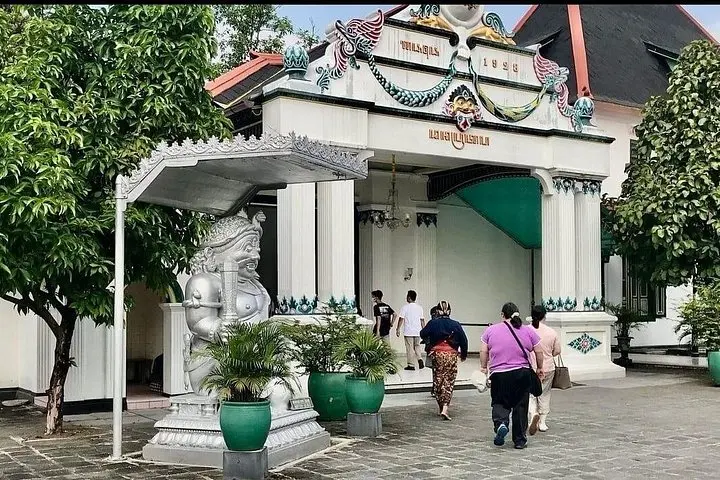
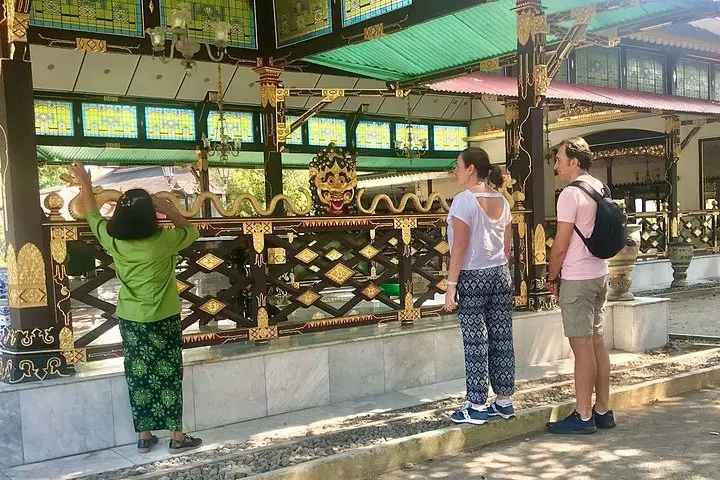
Begin in the heart of Javanese power at the Sultan’s Palace (Keraton), a living cultural center where court craft, gamelan rhythms and royal history are on display. Nearby, Tamansari’s sunken pools and channels tell a story of water engineering and courtly leisure from the 18th century. By late afternoon the tour moves out to Prambanan, the 9th‑century Hindu compound whose spires pierce the skyline; across the courtyard, Sewu’s Buddhist complex offers a quieter, lower silhouette for watching the sun fall.
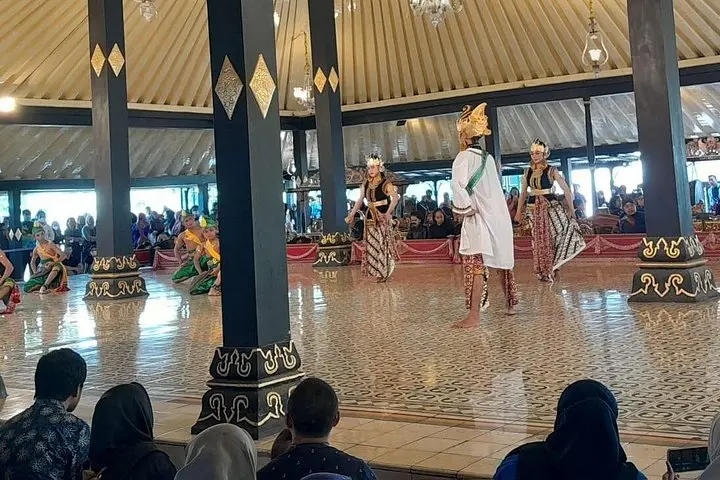
Geology here is gentle — volcanic plains dotted with limestone and andesitic outcrops — but the real architecture is human: relief panels, tiered roofs, and restoration efforts ongoing under UNESCO guidance. Expect cultural interludes like short dance performances and opportunities to browse local crafts.
Practical notes: this is a full‑day, private tour (roughly 10–12 hours) with door‑to‑door transport and bottled water provided. Many sites charge modest entrance fees and have dress expectations — cover shoulders and knees when entering temple sanctuaries. Terrain is mostly paved or compacted earth but can be uneven; plan comfortable shoes and a light rain layer. Aim to reach Sewu before sunset for the best light and fewer crowds, and carry small change for tickets and donations.
Standard itineraries often exclude entrance fees for historic sites; plan to pay modest fees on arrival unless your booking explicitly lists admissions.
The tour notes accessibility for wheelchairs, but some temple areas have steps or uneven surfaces—confirm specific access needs with the operator ahead of time.
Many city tours include a short cultural performance at the Keraton or a nearby venue; timing depends on the day’s schedule and local program availability.
Private transport and flexible timing mean the guide can adjust the order of visits; bring a rain layer and ask about indoor options if heavy rain occurs.
Izzati Jogjatour operates guided outdoor trips and adventures with an emphasis on safety, stewardship, and memorable experiences.
Late afternoon light slices between temple spires as you step from the private van into a spread of carved stone and shadow. The air carries incense and the low murmur of a city that still moves at a human pace — vendors folding batik, scooters threading narrow streets, and the slow, ceremonial gait of Keraton guards.
Late afternoon light slices between temple spires as you step from the private van into a spread of carved stone and shadow. The air carries incense and the low murmur of a city that still moves at a human pace — vendors folding batik, scooters threading narrow streets, and the slow, ceremonial gait of Keraton guards.
Begin in the heart of Javanese power at the Sultan’s Palace (Keraton), a living cultural center where court craft, gamelan rhythms and royal history are on display. Nearby, Tamansari’s sunken pools and channels tell a story of water engineering and courtly leisure from the 18th century. By late afternoon the tour moves out to Prambanan, the 9th‑century Hindu compound whose spires pierce the skyline; across the courtyard, Sewu’s Buddhist complex offers a quieter, lower silhouette for watching the sun fall.
Geology here is gentle — volcanic plains dotted with limestone and andesitic outcrops — but the real architecture is human: relief panels, tiered roofs, and restoration efforts ongoing under UNESCO guidance. Expect cultural interludes like short dance performances and opportunities to browse local crafts.
Practical notes: this is a full‑day, private tour (roughly 10–12 hours) with door‑to‑door transport and bottled water provided. Many sites charge modest entrance fees and have dress expectations — cover shoulders and knees when entering temple sanctuaries. Terrain is mostly paved or compacted earth but can be uneven; plan comfortable shoes and a light rain layer. Aim to reach Sewu before sunset for the best light and fewer crowds, and carry small change for tickets and donations.