THE ADVENTURE COLLECTIVE® · Independent discovery and booking for outdoor travel

Spend a day moving from a lively traditional market to the Sultan’s palace, then learn batik in a family-run studio. This guided tour blends history, hands-on craft, and urban exploration in central Yogyakarta.
Spend a day moving from a lively traditional market to the Sultan’s palace, then learn batik in a family-run studio. This guided tour blends history, hands-on craft, and urban exploration in central Yogyakarta.
You arrive before the heat, weaving past carts at Pasar Ngasem where spices and sweet fritters call like old friends. Pedicabs hum along narrow lanes; vendors lift tarps and the city wakes with humid air that promises rain or sun by afternoon.
Verified experiences and guided adventures in the surrounding area.
Operated by MyProGuide Indonesia · Yogyakarta, Special Region of Yogyakarta
You arrive before the heat, weaving past carts at Pasar Ngasem where spices and sweet fritters call like old friends. Pedicabs hum along narrow lanes; vendors lift tarps and the city wakes with humid air that promises rain or sun by afternoon.
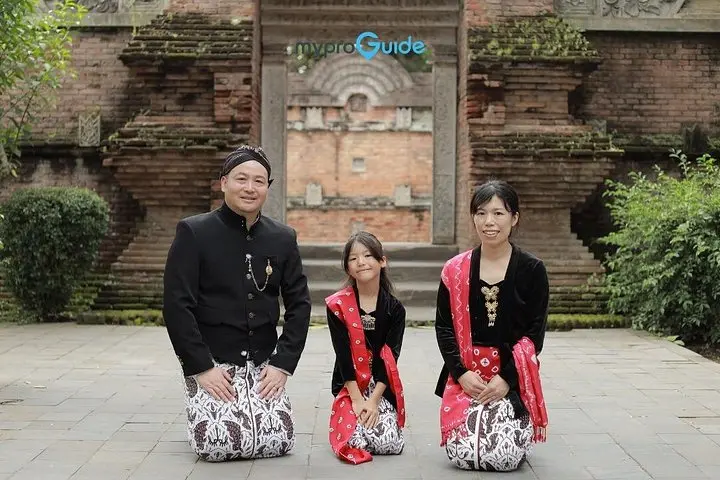
The route moves from the market’s close-up commerce to the slow ceremonial rhythm of the Keraton—the Sultan’s living palace—where carved teak doors and lacquered halls map centuries of Javanese court life. A short walk brings you to Sonobudoyo Museum: puppets, keris, and textiles that explain how story and ritual shape daily practice here.
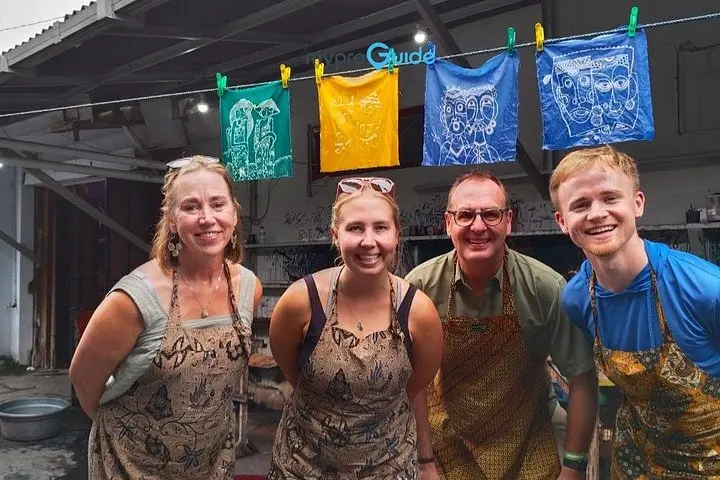
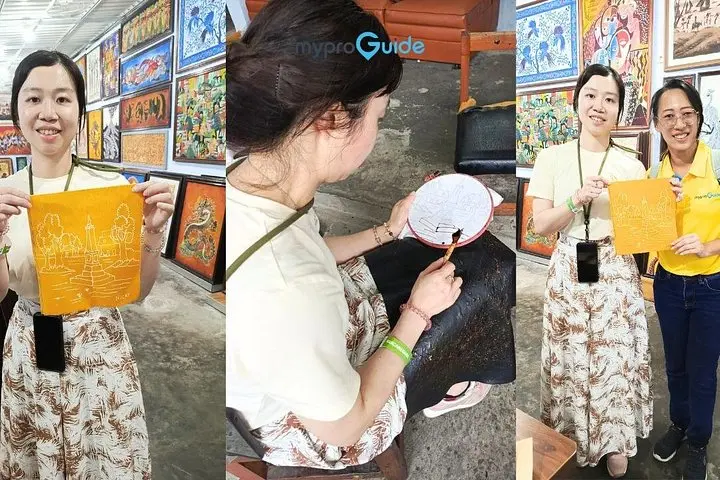
The day ends in a working batik house. Wax pools and canting tools are less spectacle than language—each motif carries family ties, social signals and regional history. Under an artisan’s eye you draw lines in wax, resist dye, and leave with a cloth that remembers your hands.
Geologically Yogyakarta sits on the fertile plain below Mount Merapi; the volcanic soil helped make the region a cultural hub and continues to shape rhythms of agriculture and craft.
Practical notes: this is a mostly urban, low-impact day of walking, photo stops, and hands-on making. Expect about 6–7 hours total with time seated during the workshop; wear sturdy shoes, bring modest clothing for palace areas, and carry small change for snacks and market finds. A lightweight rain layer or umbrella is smart—tropical squalls can surprise even the best-laid itineraries.
Admission is typically not included in this package; your guide will advise on entrance fees and local rules at the palace.
No—this is a beginner-friendly, hands-on session guided by local artisans; you’ll complete a small piece to take home.
Parts of the itinerary (markets and some museum spaces) can be crowded and have uneven surfaces; accessibility may be limited—contact the operator for specifics.
Guides commonly speak English and Indonesian; ask at booking if you need another language to be accommodated.
MyProGuide Indonesia operates guided outdoor trips and adventures with an emphasis on safety, stewardship, and memorable experiences.
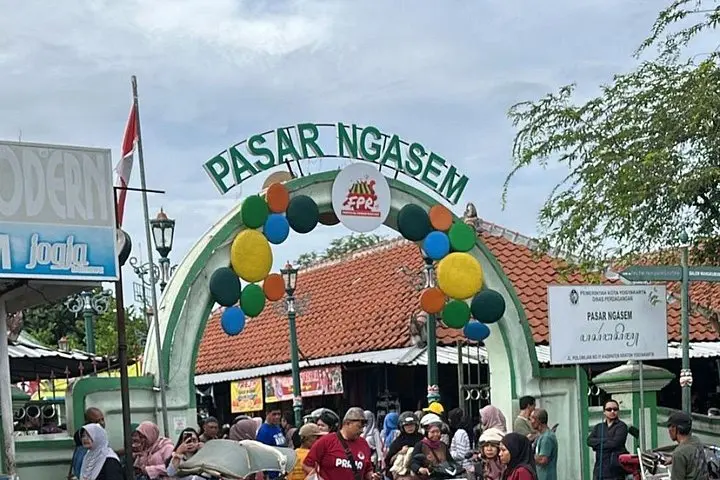
You arrive before the heat, weaving past carts at Pasar Ngasem where spices and sweet fritters call like old friends. Pedicabs hum along narrow lanes; vendors lift tarps and the city wakes with humid air that promises rain or sun by afternoon.
You arrive before the heat, weaving past carts at Pasar Ngasem where spices and sweet fritters call like old friends. Pedicabs hum along narrow lanes; vendors lift tarps and the city wakes with humid air that promises rain or sun by afternoon.
The route moves from the market’s close-up commerce to the slow ceremonial rhythm of the Keraton—the Sultan’s living palace—where carved teak doors and lacquered halls map centuries of Javanese court life. A short walk brings you to Sonobudoyo Museum: puppets, keris, and textiles that explain how story and ritual shape daily practice here.
The day ends in a working batik house. Wax pools and canting tools are less spectacle than language—each motif carries family ties, social signals and regional history. Under an artisan’s eye you draw lines in wax, resist dye, and leave with a cloth that remembers your hands.
Geologically Yogyakarta sits on the fertile plain below Mount Merapi; the volcanic soil helped make the region a cultural hub and continues to shape rhythms of agriculture and craft.
Practical notes: this is a mostly urban, low-impact day of walking, photo stops, and hands-on making. Expect about 6–7 hours total with time seated during the workshop; wear sturdy shoes, bring modest clothing for palace areas, and carry small change for snacks and market finds. A lightweight rain layer or umbrella is smart—tropical squalls can surprise even the best-laid itineraries.