THE ADVENTURE COLLECTIVE® · Independent discovery and booking for outdoor travel

Step into architecture that questions balance: the Yōrō Site of Reversible Destiny is an interactive open-air artwork where tilted floors and skewed structures turn walking into exploration. Guided tours pair philosophical context with hands-on experience.
Step into architecture that questions balance: the Yōrō Site of Reversible Destiny is an interactive open-air artwork where tilted floors and skewed structures turn walking into exploration. Guided tours pair philosophical context with hands-on experience.
The path tilts underfoot and the ground seems to think for itself: stepping into the Yōrō Site of Reversible Destiny feels like entering a playground designed to unsettle expectations. Brightly painted ramps, slanted houses and rolling mounds guide visitors through a sequence of deliberate imbalance; every step becomes a test of perception and a small laugh at gravity.
Verified experiences and guided adventures in the surrounding area.
Operated by DeepExperience · Yoro, Gifu Prefecture
The path tilts underfoot and the ground seems to think for itself: stepping into the Yōrō Site of Reversible Destiny feels like entering a playground designed to unsettle expectations. Brightly painted ramps, slanted houses and rolling mounds guide visitors through a sequence of deliberate imbalance; every step becomes a test of perception and a small laugh at gravity.
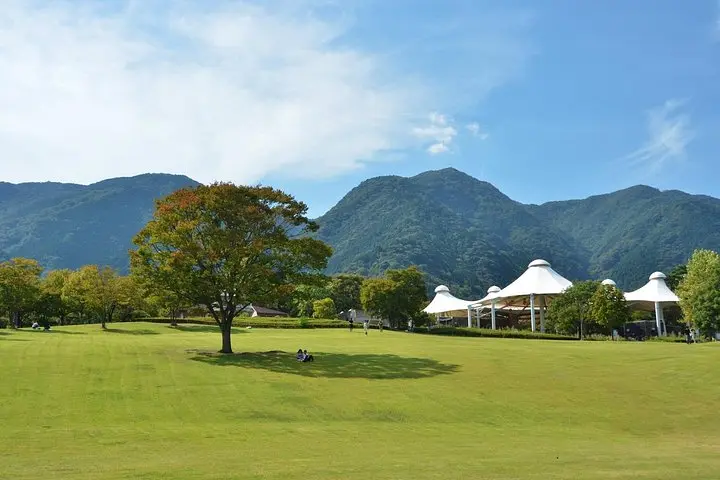
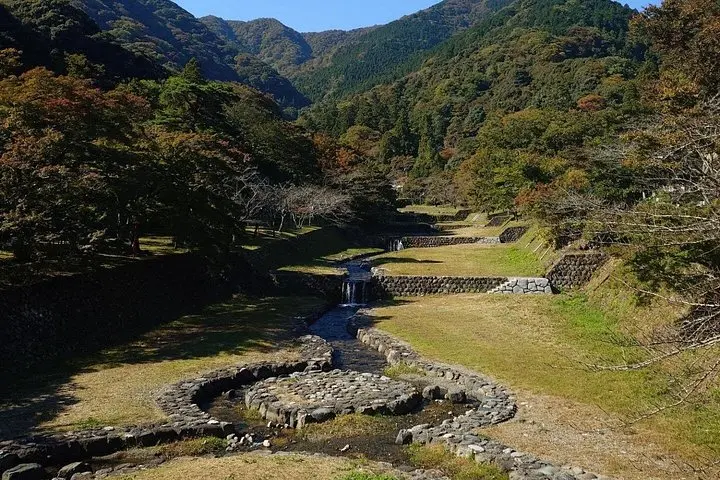
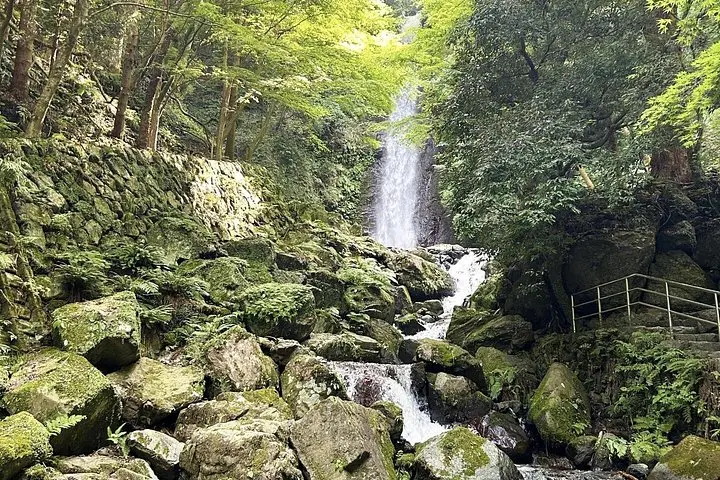
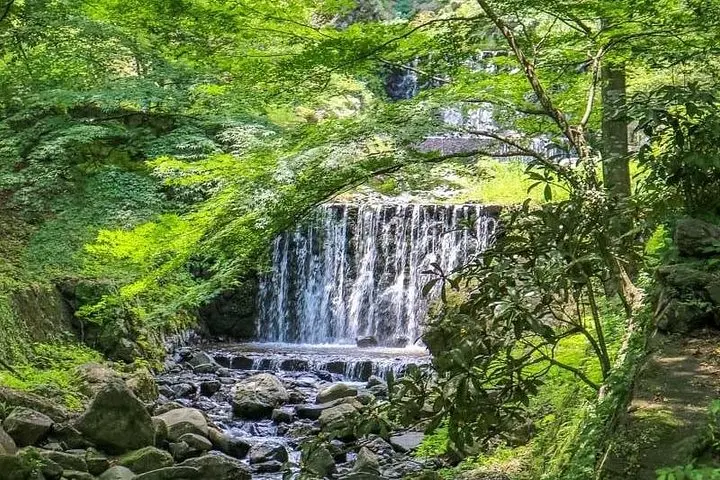
Conceived by Arakawa Shūsaku and Madeline Gins in the 1990s, the site was built as a living experiment in architecture and philosophy—an environment meant to alter how the body and mind relate to space. Located in Yōrō Park near the famous Yōrō Falls, the work sits on gently folded terrain of low Gifu hills carved by streams and seasonal rains. Local culture around the park blends Shinto shrine traditions and community festivals, and guides often frame the walk as both playful exercise and a lesson in intentional design.
Practical guidance: tours run about 1.5–2.5 hours and are suitable for most fitness levels; expect uneven surfaces, short climbs and deliberate disorientation. Wear grippy shoes with ankle support, mind your footing on tilted platforms, and bring a light daypack for water and layers—the site can feel hotter in sunlit courtyards and chillier inside narrow passageways. Photography is allowed but bring a wide-angle lens to capture the skewed geometry. Reserve a guided slot if you want historical context; independent visits work well for those who prefer to move at their own pace.
The experience is equal parts art lesson and low-impact adventure: it asks you to move differently and rewards curiosity with unexpected vantage points and physical insight.
Yes—many tours offer English-speaking guides, but confirm language availability when booking.
The site includes steep and tilted sections; full accessibility is limited—contact the operator for specific accommodations.
Photography is generally allowed, though tripods or obstructive equipment may be restricted—follow staff directions.
A longer tour often includes transport from Ōgaki Station; otherwise local trains and a short taxi or bus ride connect to Yōrō Park.
DeepExperience operates guided outdoor trips and adventures with an emphasis on safety, stewardship, and memorable experiences.
The path tilts underfoot and the ground seems to think for itself: stepping into the Yōrō Site of Reversible Destiny feels like entering a playground designed to unsettle expectations. Brightly painted ramps, slanted houses and rolling mounds guide visitors through a sequence of deliberate imbalance; every step becomes a test of perception and a small laugh at gravity.
The path tilts underfoot and the ground seems to think for itself: stepping into the Yōrō Site of Reversible Destiny feels like entering a playground designed to unsettle expectations. Brightly painted ramps, slanted houses and rolling mounds guide visitors through a sequence of deliberate imbalance; every step becomes a test of perception and a small laugh at gravity.
Conceived by Arakawa Shūsaku and Madeline Gins in the 1990s, the site was built as a living experiment in architecture and philosophy—an environment meant to alter how the body and mind relate to space. Located in Yōrō Park near the famous Yōrō Falls, the work sits on gently folded terrain of low Gifu hills carved by streams and seasonal rains. Local culture around the park blends Shinto shrine traditions and community festivals, and guides often frame the walk as both playful exercise and a lesson in intentional design.
Practical guidance: tours run about 1.5–2.5 hours and are suitable for most fitness levels; expect uneven surfaces, short climbs and deliberate disorientation. Wear grippy shoes with ankle support, mind your footing on tilted platforms, and bring a light daypack for water and layers—the site can feel hotter in sunlit courtyards and chillier inside narrow passageways. Photography is allowed but bring a wide-angle lens to capture the skewed geometry. Reserve a guided slot if you want historical context; independent visits work well for those who prefer to move at their own pace.
The experience is equal parts art lesson and low-impact adventure: it asks you to move differently and rewards curiosity with unexpected vantage points and physical insight.