THE ADVENTURE COLLECTIVE® · Independent discovery and booking for outdoor travel

Swap a highway crawl for a scenic rail night and spend a full day inside Yosemite’s most dramatic viewpoints. This Amtrak-backed overnight tour bundles Glacier Point, Yosemite Valley highlights, and an optional strenuous hike into a two-day experience.
Swap a highway crawl for a scenic rail night and spend a full day inside Yosemite’s most dramatic viewpoints. This Amtrak-backed overnight tour bundles Glacier Point, Yosemite Valley highlights, and an optional strenuous hike into a two-day experience.
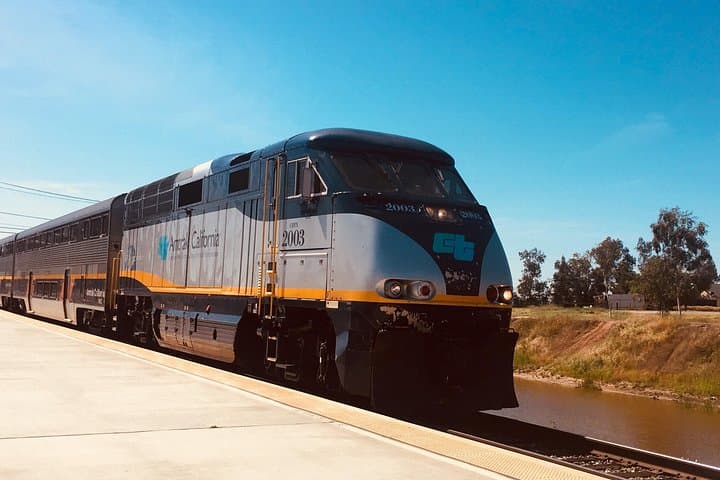
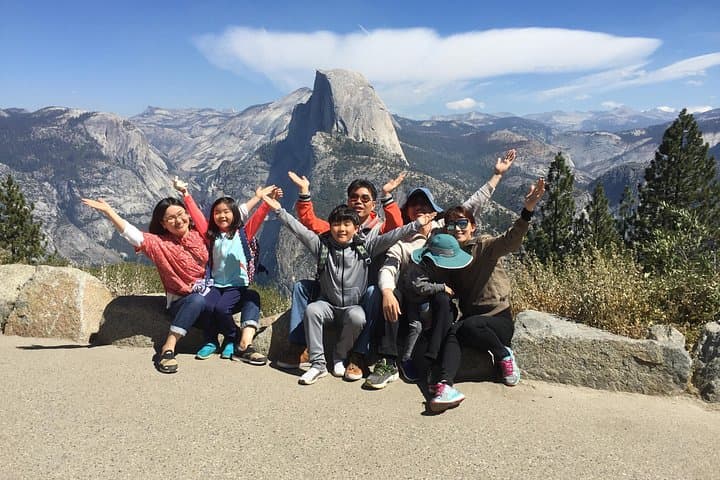
The Amtrak rocks gently beneath you as the urban grid of San Francisco thins into farmland and then pine. Overnight on the train gives the day a slackened edge—you arrive in Fresno, transfer to a shuttle, and wake up with the mountains looming on the horizon. By midmorning the road crests; Glacier Point opens like a theater curtain, and the valley drops away beneath Half Dome, Yosemite Falls, and the vertical face of El Capitan.
Verified experiences and guided adventures in the surrounding area.
Operated by Crossroads Tours · Yosemite Valley, California
The Amtrak rocks gently beneath you as the urban grid of San Francisco thins into farmland and then pine. Overnight on the train gives the day a slackened edge—you arrive in Fresno, transfer to a shuttle, and wake up with the mountains looming on the horizon. By midmorning the road crests; Glacier Point opens like a theater curtain, and the valley drops away beneath Half Dome, Yosemite Falls, and the vertical face of El Capitan.
Yosemite’s big forms read like a geological record. The valley was scoured by Pleistocene glaciers; the granite you stand on is polished and fluted where ice once pushed and paused. Glacier Point itself offers a panoramic primer: the head of the Merced River, the stair-step of Vernal and Nevada Falls, and the serrated profile of the Sierra crest. Mariposa Grove—part of the same tour options—introduces a different chapter: giant sequoias that survived millennia and human use as both sacred markers and catalysts for early conservation.
Culturally, Yosemite is a patchwork of Indigenous histories and 19th-century conservation fights. The Valley was home to Ahwahnechee people long before Euro-American artists and naturalists made it a public cause; later figures such as John Muir and President Abraham Lincoln’s Yosemite Grant helped shape national park policy still in effect today.
Practicalities matter here. The standard itinerary is an overnight Amtrak to Fresno, an early start the next day, and a structured visit to Glacier Point and a loop through Yosemite Valley, returning to the Amtrak station that evening. The optional Four Mile (Four-Mile) Trail is about 4.8 miles one-way with roughly 3,200 feet of elevation change—strenuous and best attempted with full water and steady footwear.
Timing and seasonality are decisive: Glacier Point road is closed winter months; spring runoff makes waterfalls thunder but also crowds viewpoints. Guides provide lunch, park fees, and shuttle logistics, but expect museum-level crowds at Tunnel View and Sentinel Bridge on peak days.
Tips for planning: book the Amtrak segment early and verify Glacier Point’s seasonal opening; carry layered clothing because temperature drops rapidly with elevation; and if you plan to hike, allow for slow ascent and bring electrolytes. For photographers, sunrise from Tunnel View or late-afternoon light at Glacier Point yields the most depth.
This is a tour that stitches transit into place—train travel, short hotel stay, then concentrated time inside one of America’s defining landscapes. It’s accessible enough for most travelers but offers real vertical challenge if you choose the hike. Either way, the valley’s granite and waterfalls remain the main attraction—unchanged in scale, always rearranging the order in which they take your breath.
No—Glacier Point Road is typically closed in winter (November–April) due to snow; check road status before booking.
Yes—the operator offers options to continue to Los Angeles instead of returning to San Francisco; notify them when booking to arrange logistics.
Strenuous—about 4.8 miles one-way with ~3,200 ft elevation change; plan for slow, steady pace and proper hydration.
Yes—national park fees are included in this tour’s inclusions.
Children are allowed but car seats or booster seats may be required in vehicles; infants under 1 have rear-facing requirements—confirm when booking.
The operator will provide alternate sites within the park when certain roads or overlooks are closed due to weather or construction.
Crossroads Tours operates guided outdoor trips and adventures with an emphasis on safety, stewardship, and memorable experiences.
The Amtrak rocks gently beneath you as the urban grid of San Francisco thins into farmland and then pine. Overnight on the train gives the day a slackened edge—you arrive in Fresno, transfer to a shuttle, and wake up with the mountains looming on the horizon. By midmorning the road crests; Glacier Point opens like a theater curtain, and the valley drops away beneath Half Dome, Yosemite Falls, and the vertical face of El Capitan.
The Amtrak rocks gently beneath you as the urban grid of San Francisco thins into farmland and then pine. Overnight on the train gives the day a slackened edge—you arrive in Fresno, transfer to a shuttle, and wake up with the mountains looming on the horizon. By midmorning the road crests; Glacier Point opens like a theater curtain, and the valley drops away beneath Half Dome, Yosemite Falls, and the vertical face of El Capitan.
Yosemite’s big forms read like a geological record. The valley was scoured by Pleistocene glaciers; the granite you stand on is polished and fluted where ice once pushed and paused. Glacier Point itself offers a panoramic primer: the head of the Merced River, the stair-step of Vernal and Nevada Falls, and the serrated profile of the Sierra crest. Mariposa Grove—part of the same tour options—introduces a different chapter: giant sequoias that survived millennia and human use as both sacred markers and catalysts for early conservation.
Culturally, Yosemite is a patchwork of Indigenous histories and 19th-century conservation fights. The Valley was home to Ahwahnechee people long before Euro-American artists and naturalists made it a public cause; later figures such as John Muir and President Abraham Lincoln’s Yosemite Grant helped shape national park policy still in effect today.
Practicalities matter here. The standard itinerary is an overnight Amtrak to Fresno, an early start the next day, and a structured visit to Glacier Point and a loop through Yosemite Valley, returning to the Amtrak station that evening. The optional Four Mile (Four-Mile) Trail is about 4.8 miles one-way with roughly 3,200 feet of elevation change—strenuous and best attempted with full water and steady footwear.
Timing and seasonality are decisive: Glacier Point road is closed winter months; spring runoff makes waterfalls thunder but also crowds viewpoints. Guides provide lunch, park fees, and shuttle logistics, but expect museum-level crowds at Tunnel View and Sentinel Bridge on peak days.
Tips for planning: book the Amtrak segment early and verify Glacier Point’s seasonal opening; carry layered clothing because temperature drops rapidly with elevation; and if you plan to hike, allow for slow ascent and bring electrolytes. For photographers, sunrise from Tunnel View or late-afternoon light at Glacier Point yields the most depth.
This is a tour that stitches transit into place—train travel, short hotel stay, then concentrated time inside one of America’s defining landscapes. It’s accessible enough for most travelers but offers real vertical challenge if you choose the hike. Either way, the valley’s granite and waterfalls remain the main attraction—unchanged in scale, always rearranging the order in which they take your breath.