THE ADVENTURE COLLECTIVE® · Independent discovery and booking for outdoor travel

Drive Tioga Road into Yosemite’s high country on an accessible, 6-hour tour that stops at Tenaya Lake, Olmsted Point, Tuolumne Meadows and Tioga Pass. Expect high-elevation vistas, short accessible viewpoints, and essential guidance for altitude and seasonal closures.
Drive Tioga Road into Yosemite’s high country on an accessible, 6-hour tour that stops at Tenaya Lake, Olmsted Point, Tuolumne Meadows and Tioga Pass. Expect high-elevation vistas, short accessible viewpoints, and essential guidance for altitude and seasonal closures.
The bus eases out of Yosemite Valley and the air thins like a curtain being pulled back—pine scent sharp, the road rising toward a shoulder of sky. By the time you hit Tioga Road the map of the world changes: granite domes roll into subalpine basins, rivers narrow into glassy lakes, and the wind begins to test your jacket. This adaptive tour is not a rush to the summit; it’s a paced ascent into California’s high country, where the landscape dares you to look up.
Verified experiences and guided adventures in the surrounding area.
Operated by Echo Adventure Cooperative, Inc · Lee Vining, California
The bus eases out of Yosemite Valley and the air thins like a curtain being pulled back—pine scent sharp, the road rising toward a shoulder of sky. By the time you hit Tioga Road the map of the world changes: granite domes roll into subalpine basins, rivers narrow into glassy lakes, and the wind begins to test your jacket. This adaptive tour is not a rush to the summit; it’s a paced ascent into California’s high country, where the landscape dares you to look up.
Geology here reads like a field notebook. The same granite that carved Half Dome and Clouds Rest was scoured by Pleistocene ice, leaving smoothed slabs, polished moraines and bowl-shaped meadows like Tenaya. Trails give way to viewpoints: Olmsted Point offers a cross-section of glacial history, while Tuolumne Meadows is where water and frost have coaxed wildflowers and fragile alpine grasses into dense carpets each summer.
The human story is compact but meaningful. Indigenous Miwok and Paiute people traveled these high passes for millennia; later, 19th-century miners, naturalists such as John Muir, and early road-builders opened the route that became the Tioga Road. Today the area balances heavy visitation with careful stewardship—park reservations and seasonal closures shape when you can come.
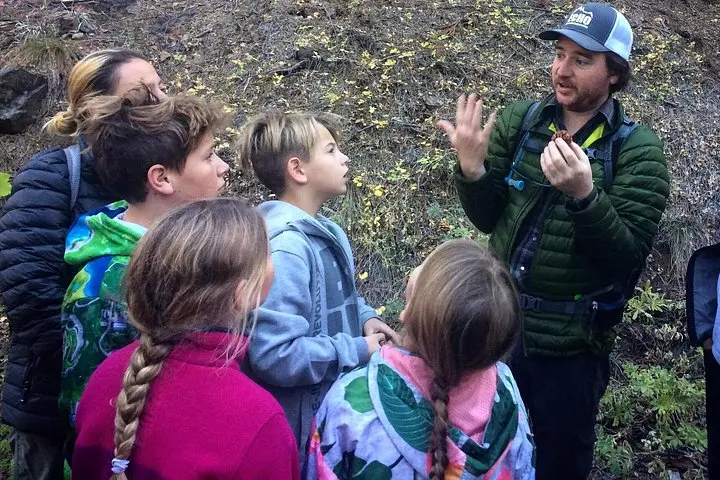
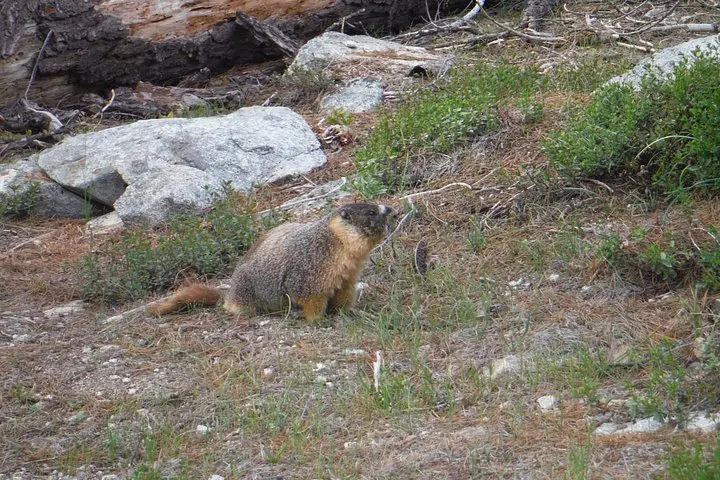
Culturally the trip is quiet and direct: guides read the land out loud, calling out rock formations and the subtle difference between sagebrush and manzanita. Wildlife is wary but present—marmots lounge on sun-warmed rocks, and, if you’re patient, a golden-mantled ground squirrel will pose within reach.
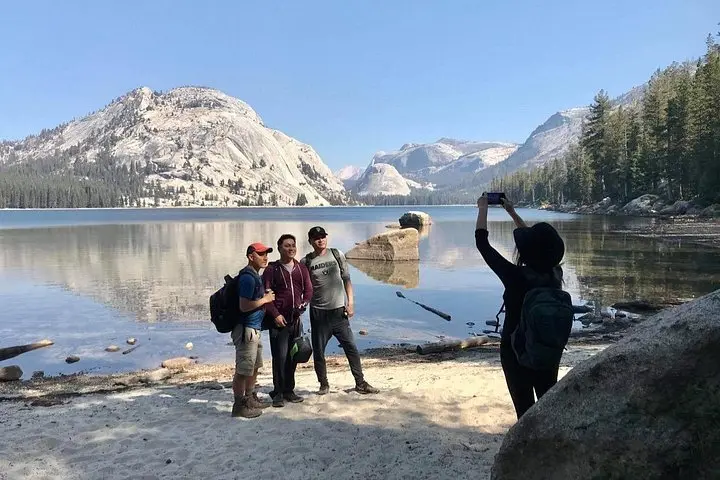
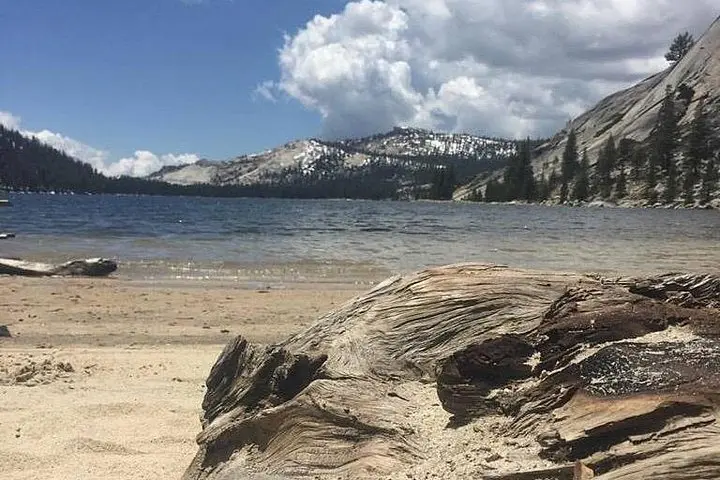
Practical guidance: this is a 6-hour experience that climbs near 10,000 feet. Altitude changes are the central challenge—drink water early, move deliberately, and give your body extra time to breathe. The itinerary emphasizes accessible stops; many overlooks and short boardwalks are suitable for wheelchairs or walkers, though some high-country paths are unpaved and uneven. Expect several photo stops: Tenaya Lake’s mirror surface, the angled sweep of Olmsted Point, and the broad meadows of Tuolumne.
Timing matters—start in the morning for clearer light and fewer cars. Winters close Tioga Pass; shoulder seasons still carry late snow patches. Pack layers for wind and sun, a refillable water bottle, and footwear that can handle unpaved sections if you want to step off the vehicle. Restrooms and services are limited above the valley; plan accordingly.
This is a tour of contrasts: the hush of alpine basins and the sudden claim of a granite ridge. It’s designed to open the high country to more people—less about how far you go and more about how fully you can take it in.
Yes—the tour is described as wheelchair accessible with several paved or accessible viewpoints; some stops have unpaved sections where assistance may be helpful.
There may be little to no hiking depending on group abilities; most stops are short walks from the vehicle or accessible overlooks.
Tioga Road is seasonal—typically open late spring through early fall depending on snow; the tour operates only when the pass is open.
The tour includes the Yosemite National Park reservation and park fees, but guests meeting guides inside the valley may need to pay a vehicle entrance fee separately.
Risk increases above 8,000–10,000 feet; stay hydrated, limit alcohol, and communicate symptoms to your guide—most issues resolve with rest and fluids.
Facilities are limited in the high country; restrooms are available at major stops like Tuolumne Meadows but not at every viewpoint.
Echo Adventure Cooperative, Inc operates guided outdoor trips and adventures with an emphasis on safety, stewardship, and memorable experiences.
The bus eases out of Yosemite Valley and the air thins like a curtain being pulled back—pine scent sharp, the road rising toward a shoulder of sky. By the time you hit Tioga Road the map of the world changes: granite domes roll into subalpine basins, rivers narrow into glassy lakes, and the wind begins to test your jacket. This adaptive tour is not a rush to the summit; it’s a paced ascent into California’s high country, where the landscape dares you to look up.
The bus eases out of Yosemite Valley and the air thins like a curtain being pulled back—pine scent sharp, the road rising toward a shoulder of sky. By the time you hit Tioga Road the map of the world changes: granite domes roll into subalpine basins, rivers narrow into glassy lakes, and the wind begins to test your jacket. This adaptive tour is not a rush to the summit; it’s a paced ascent into California’s high country, where the landscape dares you to look up.
Geology here reads like a field notebook. The same granite that carved Half Dome and Clouds Rest was scoured by Pleistocene ice, leaving smoothed slabs, polished moraines and bowl-shaped meadows like Tenaya. Trails give way to viewpoints: Olmsted Point offers a cross-section of glacial history, while Tuolumne Meadows is where water and frost have coaxed wildflowers and fragile alpine grasses into dense carpets each summer.
The human story is compact but meaningful. Indigenous Miwok and Paiute people traveled these high passes for millennia; later, 19th-century miners, naturalists such as John Muir, and early road-builders opened the route that became the Tioga Road. Today the area balances heavy visitation with careful stewardship—park reservations and seasonal closures shape when you can come.
Culturally the trip is quiet and direct: guides read the land out loud, calling out rock formations and the subtle difference between sagebrush and manzanita. Wildlife is wary but present—marmots lounge on sun-warmed rocks, and, if you’re patient, a golden-mantled ground squirrel will pose within reach.
Practical guidance: this is a 6-hour experience that climbs near 10,000 feet. Altitude changes are the central challenge—drink water early, move deliberately, and give your body extra time to breathe. The itinerary emphasizes accessible stops; many overlooks and short boardwalks are suitable for wheelchairs or walkers, though some high-country paths are unpaved and uneven. Expect several photo stops: Tenaya Lake’s mirror surface, the angled sweep of Olmsted Point, and the broad meadows of Tuolumne.
Timing matters—start in the morning for clearer light and fewer cars. Winters close Tioga Pass; shoulder seasons still carry late snow patches. Pack layers for wind and sun, a refillable water bottle, and footwear that can handle unpaved sections if you want to step off the vehicle. Restrooms and services are limited above the valley; plan accordingly.
This is a tour of contrasts: the hush of alpine basins and the sudden claim of a granite ridge. It’s designed to open the high country to more people—less about how far you go and more about how fully you can take it in.