THE ADVENTURE COLLECTIVE® · Independent discovery and booking for outdoor travel

Spend a winter day in Yosemite with a small-group guided tour that times photo stops, short walks and Glacier Point views to match the season. Learn the park’s geology and history while avoiding driving headaches — a practical way to experience Yosemite’s winter highlights.
Spend a winter day in Yosemite with a small-group guided tour that times photo stops, short walks and Glacier Point views to match the season. Learn the park’s geology and history while avoiding driving headaches — a practical way to experience Yosemite’s winter highlights.
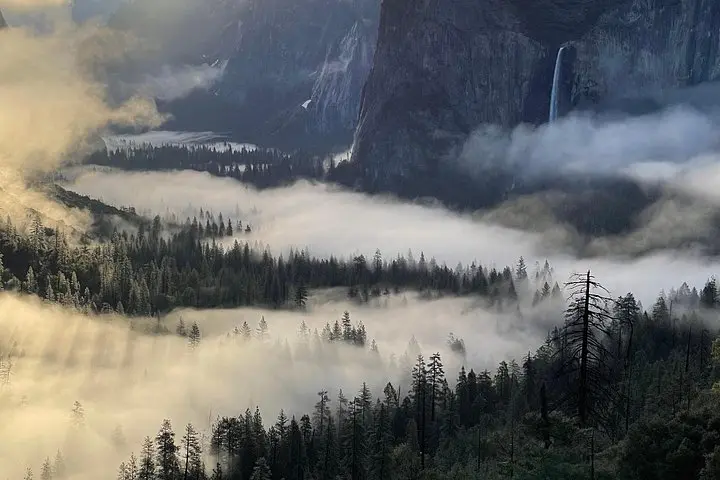
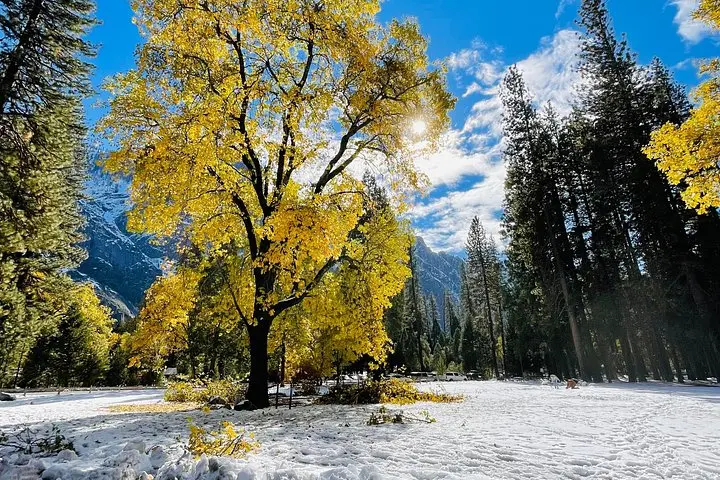
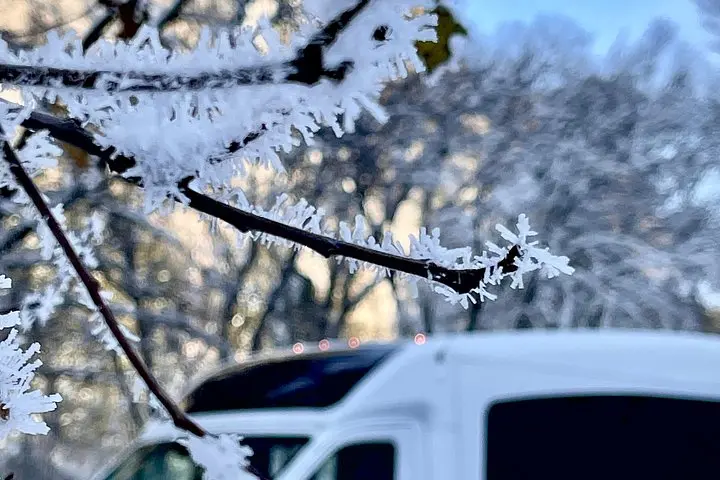
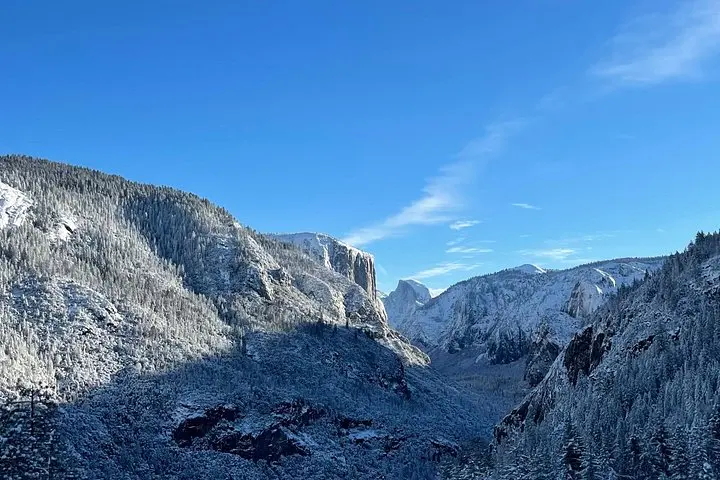
You step off the bus into cold, thin air and the valley answers: El Capitan looms like a steady, gray guardian, while the Merced River hints at movement beneath a rim of ice. Snow tightens the soundscape; footsteps whisper and waterfalls speak in lower, urgent voices. On a winter day in Yosemite, the park pares itself back to edges and contrasts — cliffs angrier in shadow, meadows quiet, and viewpoints suddenly intimate.
Verified experiences and guided adventures in the surrounding area.
Operated by Discover Yosemite · Yosemite Valley, California
You step off the bus into cold, thin air and the valley answers: El Capitan looms like a steady, gray guardian, while the Merced River hints at movement beneath a rim of ice. Snow tightens the soundscape; footsteps whisper and waterfalls speak in lower, urgent voices. On a winter day in Yosemite, the park pares itself back to edges and contrasts — cliffs angrier in shadow, meadows quiet, and viewpoints suddenly intimate.
This small-group winter tour is choreography between a knowledgeable driver-guide and the park’s shifting moods. The route threads through classic viewpoints — Tunnel View, Yosemite Falls, Bridalveil, and Glacier Point when accessible — with strategic photo stops and short walks to get close to water and rock. Guides translate granite: Half Dome’s tilted slab is a product of uplift and glacial polish, El Capitan’s vertical face a record of stress and time. They’ll point out the dark banding of sericite-schist and explain how winter river flows shape the valley floor.
Beyond geology, you’ll hear human stories: the Ahwahneechee people who lived with the valley’s seasonal temper and the early conservationists who fought to keep this landscape public. In winter the park’s cultural markers — a stone chapel, a century-old hotel façade, ranger stations — take on a spare dignity that feels honest and lived-in.
Practical advantage is baked into the day. The bus does the driving so you cover distance without the stress of snowfall or road conditions; your guide times stops for light and low sun angles, and lunch is included so you don’t lose momentum hunting for food. Expect short uphill walks, steps at overlooks, and the possibility Glacier Point is closed after fresh snow; the itinerary is fluid, tuned to conditions. Elevation swings matter: Yosemite Valley sits around 4,000 ft and Glacier Point near 7,200 ft, so layers and a stout pair of boots are non-negotiable.
For photographers, winter compresses perspective: bare trees open sightlines, starker shadows emphasize form, and waterfalls are at their most dramatic during thaws. For everyone else, the season gifts quieter trails and a more reflective pace — the park dares you to look closely.
Timing matters: mid-morning to mid-afternoon light is best for valley vistas; afternoon clouds can build fast. If you have mobility concerns, let the operator know — short walks are optional and guides accommodate folding walkers. Above all, come prepared: the itinerary is designed to show the highlights with minimal fuss, but winter is still Yosemite — changeable, exacting, and unforgettable.
No; Glacier Point can close after snowfall or due to road conditions. Guides will substitute alternate viewpoints when it’s inaccessible.
Often yes — winter and spring snowmelt feed the falls, but low-snow years or late-season freezes can reduce flow; the guide times stops for the best viewpoints available that day.
Yes; stops include park facilities where available, and the bus provides a comfortable way to bridge longer stretches between restrooms.
Walks are short — typically 5 to 20 minutes to viewpoints or short waterfall paths. Guides adjust for group ability and mobility needs.
Yes; the tour is suitable for most ages, though seniors must be able to board the bus and manage short walks or steps. Inform the operator of mobility aids in advance.
Tours can be canceled for extreme weather or insufficient travelers; check cancellation timelines and pack for rapid temperature changes and winter driving conditions.
Discover Yosemite operates guided outdoor trips and adventures with an emphasis on safety, stewardship, and memorable experiences.
You step off the bus into cold, thin air and the valley answers: El Capitan looms like a steady, gray guardian, while the Merced River hints at movement beneath a rim of ice. Snow tightens the soundscape; footsteps whisper and waterfalls speak in lower, urgent voices. On a winter day in Yosemite, the park pares itself back to edges and contrasts — cliffs angrier in shadow, meadows quiet, and viewpoints suddenly intimate.
You step off the bus into cold, thin air and the valley answers: El Capitan looms like a steady, gray guardian, while the Merced River hints at movement beneath a rim of ice. Snow tightens the soundscape; footsteps whisper and waterfalls speak in lower, urgent voices. On a winter day in Yosemite, the park pares itself back to edges and contrasts — cliffs angrier in shadow, meadows quiet, and viewpoints suddenly intimate.
This small-group winter tour is choreography between a knowledgeable driver-guide and the park’s shifting moods. The route threads through classic viewpoints — Tunnel View, Yosemite Falls, Bridalveil, and Glacier Point when accessible — with strategic photo stops and short walks to get close to water and rock. Guides translate granite: Half Dome’s tilted slab is a product of uplift and glacial polish, El Capitan’s vertical face a record of stress and time. They’ll point out the dark banding of sericite-schist and explain how winter river flows shape the valley floor.
Beyond geology, you’ll hear human stories: the Ahwahneechee people who lived with the valley’s seasonal temper and the early conservationists who fought to keep this landscape public. In winter the park’s cultural markers — a stone chapel, a century-old hotel façade, ranger stations — take on a spare dignity that feels honest and lived-in.
Practical advantage is baked into the day. The bus does the driving so you cover distance without the stress of snowfall or road conditions; your guide times stops for light and low sun angles, and lunch is included so you don’t lose momentum hunting for food. Expect short uphill walks, steps at overlooks, and the possibility Glacier Point is closed after fresh snow; the itinerary is fluid, tuned to conditions. Elevation swings matter: Yosemite Valley sits around 4,000 ft and Glacier Point near 7,200 ft, so layers and a stout pair of boots are non-negotiable.
For photographers, winter compresses perspective: bare trees open sightlines, starker shadows emphasize form, and waterfalls are at their most dramatic during thaws. For everyone else, the season gifts quieter trails and a more reflective pace — the park dares you to look closely.
Timing matters: mid-morning to mid-afternoon light is best for valley vistas; afternoon clouds can build fast. If you have mobility concerns, let the operator know — short walks are optional and guides accommodate folding walkers. Above all, come prepared: the itinerary is designed to show the highlights with minimal fuss, but winter is still Yosemite — changeable, exacting, and unforgettable.