THE ADVENTURE COLLECTIVE® · Independent discovery and booking for outdoor travel

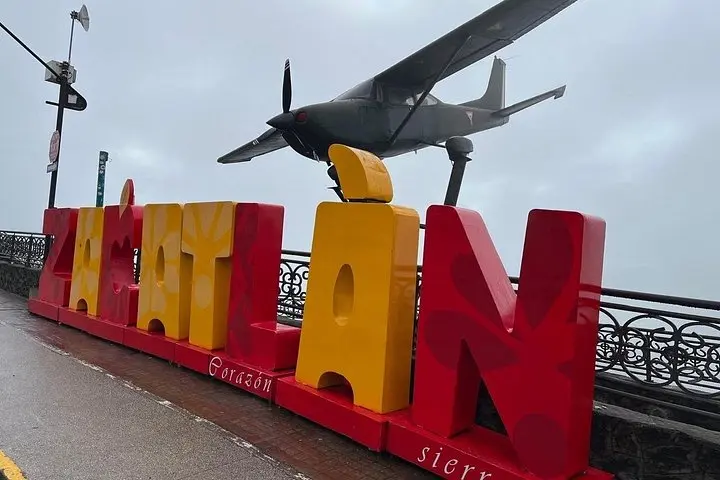
Spend a day in Zacatlán exploring clockmaking history, glassblowing workshops, the Mirador de Cristal and the lively historic center. This guided private tour from Puebla mixes easy walking, hands-on craft demos, and regional tastings.
Spend a day in Zacatlán exploring clockmaking history, glassblowing workshops, the Mirador de Cristal and the lively historic center. This guided private tour from Puebla mixes easy walking, hands-on craft demos, and regional tastings.
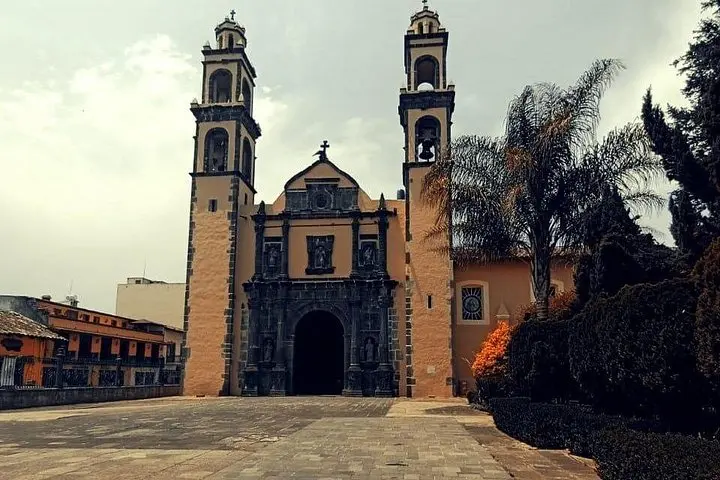
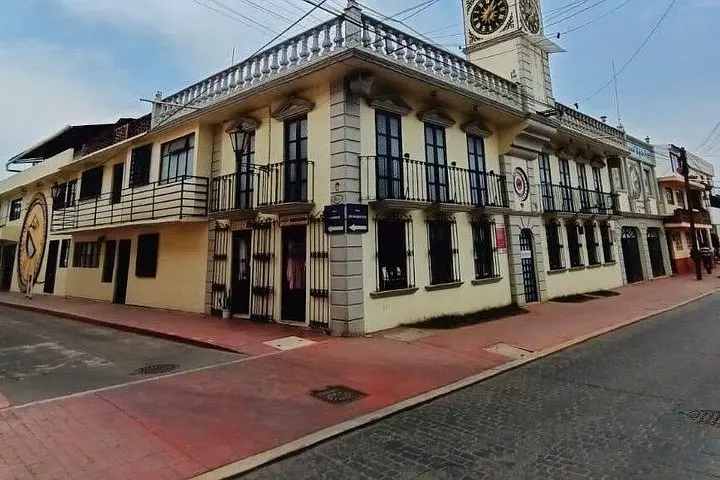
You step out of the van and the air tastes faintly of apple wood smoke and fresh bread. Cobbled streets run between two- and three-story storefronts painted in saturated ochres and blues; above the plaza, the Floral Clock turns with a slow, deliberate certainty that seems to set the town’s heartbeat.
Verified experiences and guided adventures in the surrounding area.
Operated by Bufón Tours · Zacatlán, Puebla
You step out of the van and the air tastes faintly of apple wood smoke and fresh bread. Cobbled streets run between two- and three-story storefronts painted in saturated ochres and blues; above the plaza, the Floral Clock turns with a slow, deliberate certainty that seems to set the town’s heartbeat.
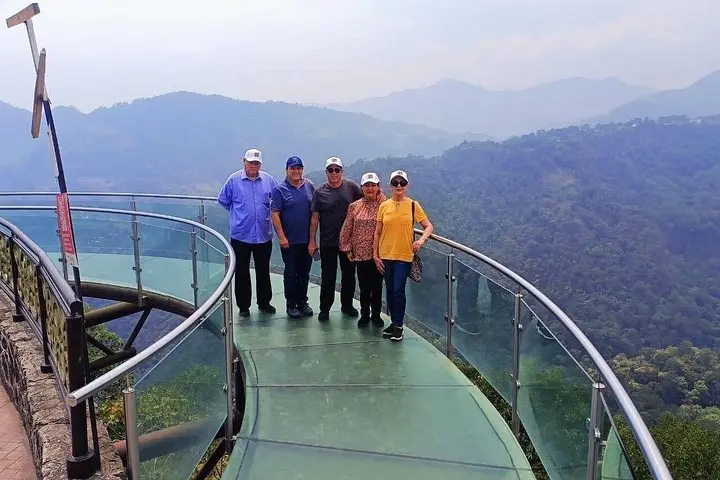
Zacatlán’s story is plain in its objects: apple orchards that earned the town the name “de las Manzanas,” a local clockmaking tradition that produced monumental public timepieces, and glassblowing workshops that still turn molten glass into spheres by hand. The Sierra Norte frames the town in folded volcanic ridges—old lava flows and eroded andesites that give abrupt panoramas from the Mirador de Cristal.
History and craft meet daily life here. The Museo del Reloj makes time tactile: 18th-century mechanisms sit beside 20th-century industrial units, and factory visits show the steps of modern clock fabrication. Narrow lanes lead to bakeries where bolillos and sweet breads are baked with local fruit wines for tasting.
Practical guidance: this is a full-day, low-impact tour with periods of standing and short uphill walks; wear grippy shoes for uneven cobbles and bring a light layer—mountain air can cool quickly. Plan for a combination of guided visits and free time in the Zócalo to eat, shop for blown-glass keepsakes, or explore side streets where family bakeries make the best regional pastries.
Timing matters: morning light brightens the valley for photos at the Mirador; afternoons are ideal for museum demonstrations and tastings. Respect shop owners’ spaces when photographing artisans at work and carry small bills for markets and gratuities.
Yes—private transportation from Puebla is included; confirm your pickup point at booking.
Access described in the itinerary is included; special or optional paid activities at sites may require extra fees.
The tour is rated easy and suitable for most ages, but it involves standing and short uphill walks; infants must sit on an adult’s lap in transport.
Strollers are accessible in town but large luggage is not recommended—pack only what you need for the day.
Bufón Tours operates guided outdoor trips and adventures with an emphasis on safety, stewardship, and memorable experiences.
You step out of the van and the air tastes faintly of apple wood smoke and fresh bread. Cobbled streets run between two- and three-story storefronts painted in saturated ochres and blues; above the plaza, the Floral Clock turns with a slow, deliberate certainty that seems to set the town’s heartbeat.
You step out of the van and the air tastes faintly of apple wood smoke and fresh bread. Cobbled streets run between two- and three-story storefronts painted in saturated ochres and blues; above the plaza, the Floral Clock turns with a slow, deliberate certainty that seems to set the town’s heartbeat.
Zacatlán’s story is plain in its objects: apple orchards that earned the town the name “de las Manzanas,” a local clockmaking tradition that produced monumental public timepieces, and glassblowing workshops that still turn molten glass into spheres by hand. The Sierra Norte frames the town in folded volcanic ridges—old lava flows and eroded andesites that give abrupt panoramas from the Mirador de Cristal.
History and craft meet daily life here. The Museo del Reloj makes time tactile: 18th-century mechanisms sit beside 20th-century industrial units, and factory visits show the steps of modern clock fabrication. Narrow lanes lead to bakeries where bolillos and sweet breads are baked with local fruit wines for tasting.
Practical guidance: this is a full-day, low-impact tour with periods of standing and short uphill walks; wear grippy shoes for uneven cobbles and bring a light layer—mountain air can cool quickly. Plan for a combination of guided visits and free time in the Zócalo to eat, shop for blown-glass keepsakes, or explore side streets where family bakeries make the best regional pastries.
Timing matters: morning light brightens the valley for photos at the Mirador; afternoons are ideal for museum demonstrations and tastings. Respect shop owners’ spaces when photographing artisans at work and carry small bills for markets and gratuities.