THE ADVENTURE COLLECTIVE® · Independent discovery and booking for outdoor travel

A compact two-day desert crossing from Marrakech to Zagora that blends High Atlas passes, Ouarzazate’s film sets, the palm oases of the Draa Valley, and a camel-led sunset in the Sahara. Expect long drives, short cultural stops, and one unforgettable night under desert skies.
A compact two-day desert crossing from Marrakech to Zagora that blends High Atlas passes, Ouarzazate’s film sets, the palm oases of the Draa Valley, and a camel-led sunset in the Sahara. Expect long drives, short cultural stops, and one unforgettable night under desert skies.
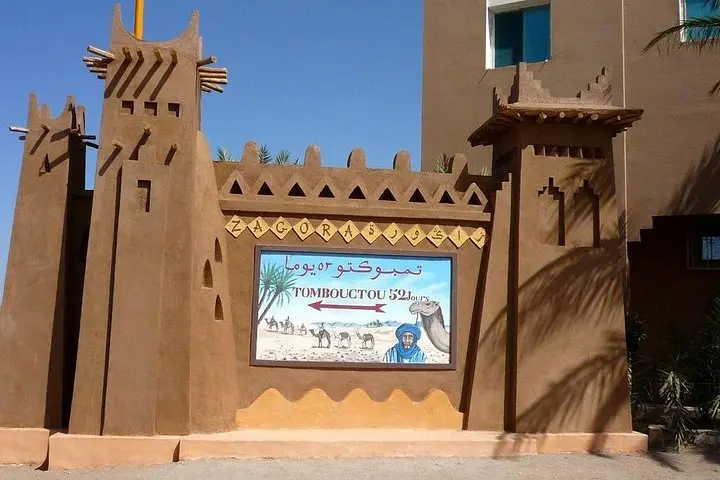
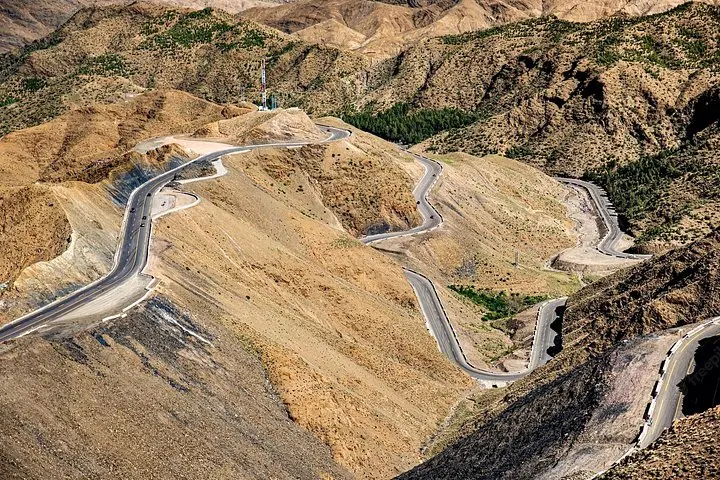
The bus peels out of Marrakech before dawn, tires quietly eating asphalt as the High Atlas rises like a wall ahead. By midmorning the road has crested Tizi n'Tichka (2,260 m) and the mountains give way to the rounded silhouettes of the Anti-Atlas; farther still, the palm-lined ribbon of the Draa Valley leads you to Zagora where dunes dare you to stay.
Verified experiences and guided adventures in the surrounding area.
Operated by Moroccan Desert Tourism · Zagora, Souss-Massa-Draa
The bus peels out of Marrakech before dawn, tires quietly eating asphalt as the High Atlas rises like a wall ahead. By midmorning the road has crested Tizi n'Tichka (2,260 m) and the mountains give way to the rounded silhouettes of the Anti-Atlas; farther still, the palm-lined ribbon of the Draa Valley leads you to Zagora where dunes dare you to stay.
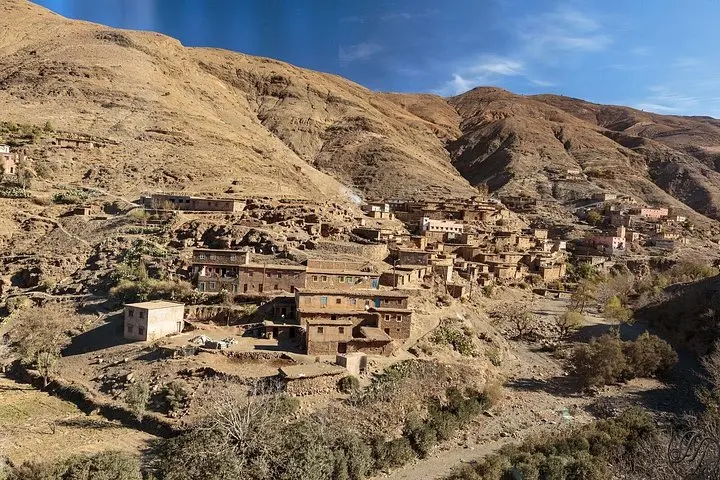
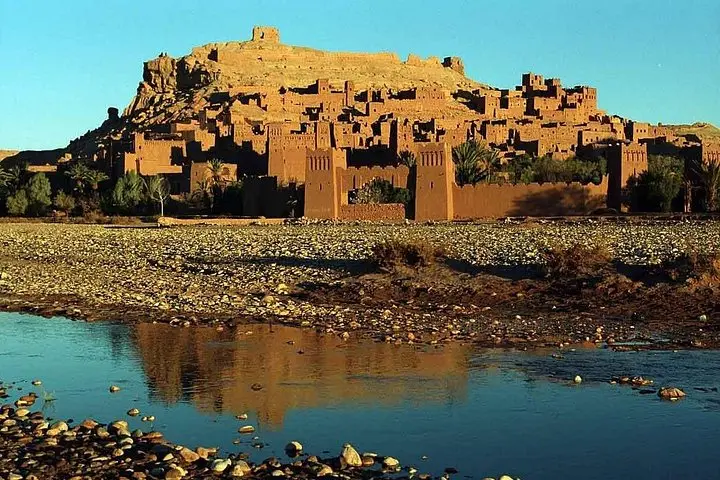
This route threads centuries of history. Caravan routes and kasbahs mark the traders’ passage from sub‑Saharan markets to Atlantic ports; the mud-brick citadel of Ait Benhaddou — a film backdrop for Gladiator and Game of Thrones — preserves Berber defensive architecture. Geologically, the landscape shifts fast: volcanic and metamorphic folds in the High Atlas, softer sedimentary plains in the south, and sandfields sculpted by persistent desert wind.
Culturally, expect Berber hospitality — mint tea ceremonies, music around the campfire, and simple meals that reflect oasis agriculture. The itinerary compresses long drives with short, meaningful stops: Toufliht viewpoints, Ouarzazate’s cinema studios, the thousand kasbahs along the Draa, sunset camel rides and an overnight in a tented camp or local hotel.
Practical guidance: the tour is mostly road travel with light walking and a mounted sunset/sunrise camel segment. Pack sun protection, layers for cold desert nights, refillable water, and cash for small purchases. Drive times mean early departures and late returns; bring motion-sickness remedies if needed. Respect local customs at nomad camps and leave no trace in fragile oasis environments.
Expect roughly 7–9 hours of combined driving with stops; the itinerary includes sightseeing breaks that extend travel time.
No special skill is required—camel rides are short (sunset/sunrise) and guides help mount and dismount; those with mobility limits should notify the operator ahead.
You can choose a hotel in Zagora or overnight in a Berber-style tent camp; the tour includes one night’s accommodation and meals noted in the itinerary.
The operator notes the tour is stroller-accessible but not recommended for pregnant travelers; check medical advice before booking.
Moroccan Desert Tourism operates guided outdoor trips and adventures with an emphasis on safety, stewardship, and memorable experiences.
The bus peels out of Marrakech before dawn, tires quietly eating asphalt as the High Atlas rises like a wall ahead. By midmorning the road has crested Tizi n'Tichka (2,260 m) and the mountains give way to the rounded silhouettes of the Anti-Atlas; farther still, the palm-lined ribbon of the Draa Valley leads you to Zagora where dunes dare you to stay.
The bus peels out of Marrakech before dawn, tires quietly eating asphalt as the High Atlas rises like a wall ahead. By midmorning the road has crested Tizi n'Tichka (2,260 m) and the mountains give way to the rounded silhouettes of the Anti-Atlas; farther still, the palm-lined ribbon of the Draa Valley leads you to Zagora where dunes dare you to stay.
This route threads centuries of history. Caravan routes and kasbahs mark the traders’ passage from sub‑Saharan markets to Atlantic ports; the mud-brick citadel of Ait Benhaddou — a film backdrop for Gladiator and Game of Thrones — preserves Berber defensive architecture. Geologically, the landscape shifts fast: volcanic and metamorphic folds in the High Atlas, softer sedimentary plains in the south, and sandfields sculpted by persistent desert wind.
Culturally, expect Berber hospitality — mint tea ceremonies, music around the campfire, and simple meals that reflect oasis agriculture. The itinerary compresses long drives with short, meaningful stops: Toufliht viewpoints, Ouarzazate’s cinema studios, the thousand kasbahs along the Draa, sunset camel rides and an overnight in a tented camp or local hotel.
Practical guidance: the tour is mostly road travel with light walking and a mounted sunset/sunrise camel segment. Pack sun protection, layers for cold desert nights, refillable water, and cash for small purchases. Drive times mean early departures and late returns; bring motion-sickness remedies if needed. Respect local customs at nomad camps and leave no trace in fragile oasis environments.