THE ADVENTURE COLLECTIVE® · Independent discovery and booking for outdoor travel

Spend a day crossing Croatia’s spine: a private transfer from Zagreb, a guided 5-mile (8.5-km) hike through Plitvice Lakes National Park, and a drop-off in Split. Expect waterfalls, boardwalks, and practical local guidance for a seamless day of nature and culture.
Spend a day crossing Croatia’s spine: a private transfer from Zagreb, a guided 5-mile (8.5-km) hike through Plitvice Lakes National Park, and a drop-off in Split. Expect waterfalls, boardwalks, and practical local guidance for a seamless day of nature and culture.
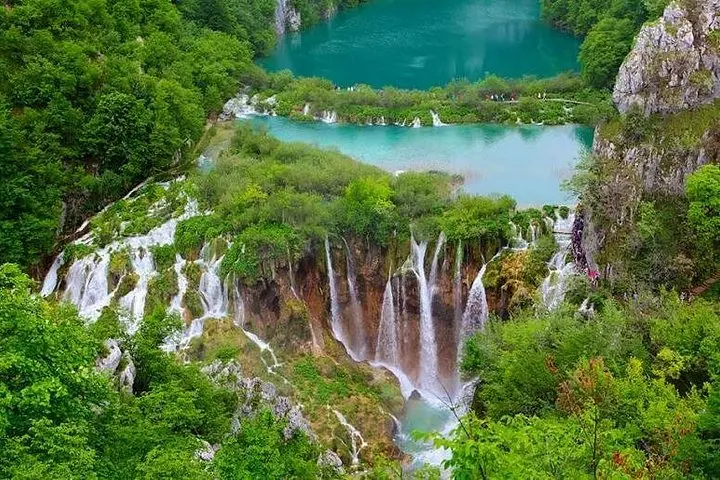
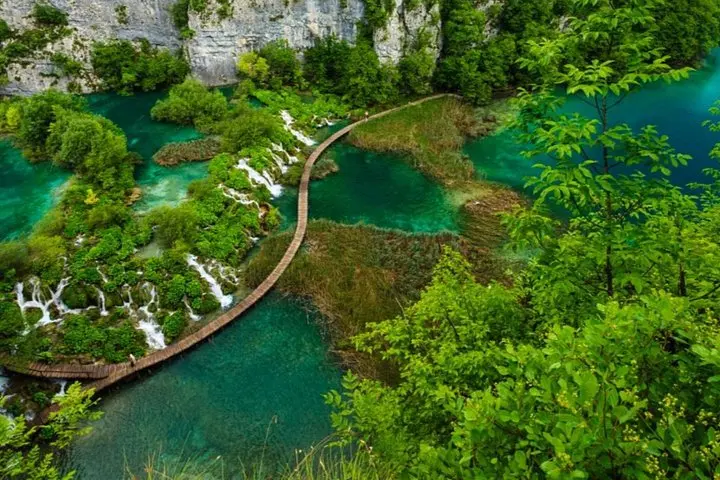
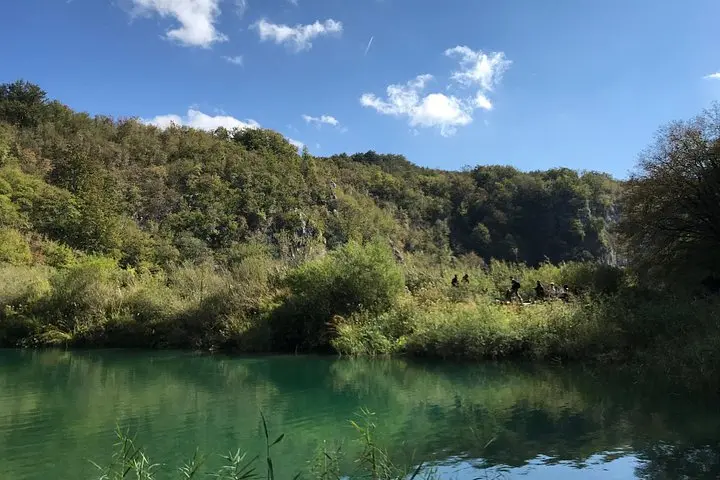
You step out of the air-conditioned van into a cool pocket of forest and the first thing you hear is water—constant, insistent, rearranging the landscape. A licensed local guide ushers the group toward wooden boardwalks that thread across turquoise lakes and beneath curtains of falling water. Over the next five miles (roughly 8.5 km) you move through the park like a slow current: from the thunder of the lower waterfalls to the glass-smooth mirror of Kozjak Lake, where an electric boat or ferry typically cuts a quiet path.
Verified experiences and guided adventures in the surrounding area.
Operated by Hangout Croatia · Plitvička Jezera, Lika-Senj County
You step out of the air-conditioned van into a cool pocket of forest and the first thing you hear is water—constant, insistent, rearranging the landscape. A licensed local guide ushers the group toward wooden boardwalks that thread across turquoise lakes and beneath curtains of falling water. Over the next five miles (roughly 8.5 km) you move through the park like a slow current: from the thunder of the lower waterfalls to the glass-smooth mirror of Kozjak Lake, where an electric boat or ferry typically cuts a quiet path.
Plitvice Lakes National Park is Croatia’s oldest and most visited national park. Formed where limestone and dolomite meet groundwater, its travertine dams are still growing; minerals carried by streams bind moss and vegetation into living barriers that route waterfalls into new channels. The park’s 16 interconnected lakes and dozens of cascades map a geological conversation between rock and water that has been ongoing since the last ice age.
Culturally, Plitvice sits in Lika, a region marked by hardy highland villages and wartime histories; the park’s protection since 1949 helped transform local livelihoods toward tourism, and guides often weave human stories—traditional pastoral life, wartime displacement, and conservation efforts—into the landscape narration.
Practicalities anchor the romance. The full experience on this private transfer runs about 10–12 hours door-to-door, starting in Zagreb and ending in Split (you can also request a different drop-off). The guided walk includes lower and upper lakes, a short train ride, and a boat across Kozjak Lake in season; note that train and boat services are suspended November through March, when all sightseeing is on foot. Admission is not included—buy park tickets in advance during high season to avoid long lines.
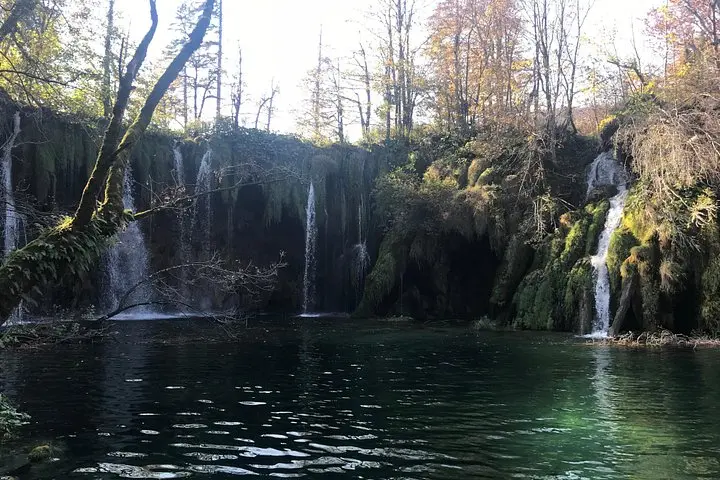
Terrain is a mix of well-maintained wooden walkways, stone steps, and uneven trails; expect cumulative elevation change of around 150–200 meters and several stair sections. Wear sturdy, closed-toe shoes and bring layers—the forest can be damp and cool even in summer. Hydration is provided on the vehicle, but carry a refillable bottle for the hikes. Photography opportunities are everywhere: wide waterfall panoramas, intimate channels threaded with moss, and early-morning light that turns the lakes a crystalline blue.
Logistics are straightforward: meet at Zrinjevac square in Zagreb or arrange hotel pickup, be ready 10–15 minutes early, and communicate any drop-off needs in Split. This private transfer-and-tour format gives flexibility—shorten the walk, linger at a favorite overlook, or adjust pace—while a local guide ensures you read the geology, ecology, and human stories in the rock and water rather than missing them between the next photo and the next viewpoint.
No—admission to Plitvice Lakes National Park is not included; buy tickets online or at the park entrance before your visit.
The guided portion covers about 5 miles (8.5 km) of mixed boardwalks and trails, typically around 3–4 hours within the overall 10–12 hour transfer day.
Yes—hotel pickup in central Zagreb is offered; specify your address when booking and be ready 10–15 minutes early.
No—train and electric-boat services are usually suspended November through March; winter visits are fully on foot.
Children can join; infant seats are available on request, but strollers are impractical on boardwalk sections and many trails.
Yes—the tour includes transfer to Split port or central accommodations; advise your preferred drop-off when booking.
Hangout Croatia operates guided outdoor trips and adventures with an emphasis on safety, stewardship, and memorable experiences.
You step out of the air-conditioned van into a cool pocket of forest and the first thing you hear is water—constant, insistent, rearranging the landscape. A licensed local guide ushers the group toward wooden boardwalks that thread across turquoise lakes and beneath curtains of falling water. Over the next five miles (roughly 8.5 km) you move through the park like a slow current: from the thunder of the lower waterfalls to the glass-smooth mirror of Kozjak Lake, where an electric boat or ferry typically cuts a quiet path.
You step out of the air-conditioned van into a cool pocket of forest and the first thing you hear is water—constant, insistent, rearranging the landscape. A licensed local guide ushers the group toward wooden boardwalks that thread across turquoise lakes and beneath curtains of falling water. Over the next five miles (roughly 8.5 km) you move through the park like a slow current: from the thunder of the lower waterfalls to the glass-smooth mirror of Kozjak Lake, where an electric boat or ferry typically cuts a quiet path.
Plitvice Lakes National Park is Croatia’s oldest and most visited national park. Formed where limestone and dolomite meet groundwater, its travertine dams are still growing; minerals carried by streams bind moss and vegetation into living barriers that route waterfalls into new channels. The park’s 16 interconnected lakes and dozens of cascades map a geological conversation between rock and water that has been ongoing since the last ice age.
Culturally, Plitvice sits in Lika, a region marked by hardy highland villages and wartime histories; the park’s protection since 1949 helped transform local livelihoods toward tourism, and guides often weave human stories—traditional pastoral life, wartime displacement, and conservation efforts—into the landscape narration.
Practicalities anchor the romance. The full experience on this private transfer runs about 10–12 hours door-to-door, starting in Zagreb and ending in Split (you can also request a different drop-off). The guided walk includes lower and upper lakes, a short train ride, and a boat across Kozjak Lake in season; note that train and boat services are suspended November through March, when all sightseeing is on foot. Admission is not included—buy park tickets in advance during high season to avoid long lines.
Terrain is a mix of well-maintained wooden walkways, stone steps, and uneven trails; expect cumulative elevation change of around 150–200 meters and several stair sections. Wear sturdy, closed-toe shoes and bring layers—the forest can be damp and cool even in summer. Hydration is provided on the vehicle, but carry a refillable bottle for the hikes. Photography opportunities are everywhere: wide waterfall panoramas, intimate channels threaded with moss, and early-morning light that turns the lakes a crystalline blue.
Logistics are straightforward: meet at Zrinjevac square in Zagreb or arrange hotel pickup, be ready 10–15 minutes early, and communicate any drop-off needs in Split. This private transfer-and-tour format gives flexibility—shorten the walk, linger at a favorite overlook, or adjust pace—while a local guide ensures you read the geology, ecology, and human stories in the rock and water rather than missing them between the next photo and the next viewpoint.