THE ADVENTURE COLLECTIVE® · Independent discovery and booking for outdoor travel

A private transfer from Zagreb to Zadar with a stop at Plitvice Lakes offers a compact way to see Croatia’s best waterfalls in a single day. Expect karst landscapes, wooden boardwalks and 2–3 hours inside the park—perfect for travelers short on time.
A private transfer from Zagreb to Zadar with a stop at Plitvice Lakes offers a compact way to see Croatia’s best waterfalls in a single day. Expect karst landscapes, wooden boardwalks and 2–3 hours inside the park—perfect for travelers short on time.
You meet your driver in a Zagreb hotel lobby and the city peels away behind you—rolling karst, pine-rimmed valleys and the slow climb toward the high lakes. The road to Plitvice Lakes National Park feels like an approach, and then the cascade network appears: turquoise pools stepping down through terraces of travertine, water finding new routes every season.
Verified experiences and guided adventures in the surrounding area.
Operated by Zagreb Travel · Plitvička Jezera, Lika-Senj County
You meet your driver in a Zagreb hotel lobby and the city peels away behind you—rolling karst, pine-rimmed valleys and the slow climb toward the high lakes. The road to Plitvice Lakes National Park feels like an approach, and then the cascade network appears: turquoise pools stepping down through terraces of travertine, water finding new routes every season.
Plitvice was set aside as a national park in 1949 and joined UNESCO’s World Heritage list in 1979. Its landscape is defined by limestone and tufa buildup; the chemistry of calcium-rich springs and microbial mats builds dams that redirect streams and form the park’s famous cascades. The Lika region has a working rural culture—sheep pens, beech forests and roadside stands selling smoked cheese—reminders that this is living countryside, not a postcard.
For a typical private transfer, expect roughly two hours from Zagreb to Plitvice, a 2–3 hour self-guided visit following wooden boardwalks and marked loops, then another drive of about two hours to Zadar. Routes vary: some loops are gentle and flat, others include stairs and packed gravel. Buy park tickets online for faster entry in high season; plan morning or late-afternoon visits to avoid peak crowds.
Practical: wear grippy shoes, bring a waterproof layer, and a refillable bottle—fountains are available. The visit is accessible to most fitness levels, but some viewpoints require short steep steps. Your driver will handle luggage and timing; use the visit to stretch legs, photograph falls from viewpoints, and sample Lika snacks before continuing to the Adriatic coast.
Tickets can be bought at the park but booking online is strongly recommended in summer to guarantee entry and reduce wait times.
Plan 2–3 hours for a focused visit covering main waterfalls and a short loop; longer if you want quieter trails or additional viewpoints.
Parts of the park are accessible and several routes are stroller- and wheelchair-friendly, but some viewpoints include stairs—check the park map for accessible loops.
The private transfer can often be customized to start or finish in Split or Zadar—confirm with the operator when booking.
Zagreb Travel operates guided outdoor trips and adventures with an emphasis on safety, stewardship, and memorable experiences.
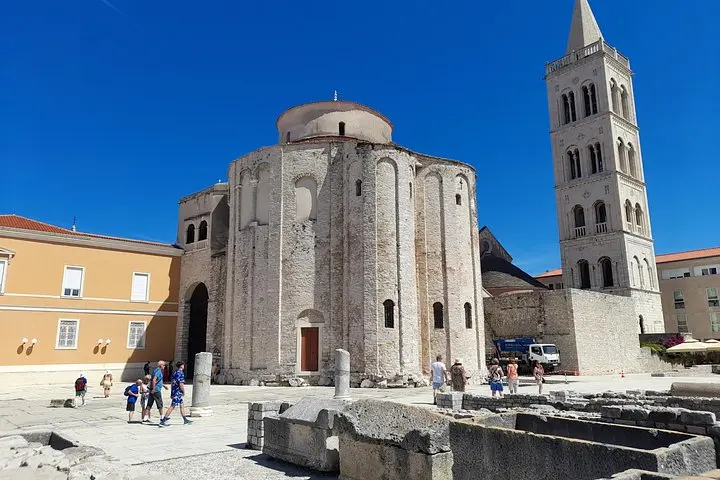
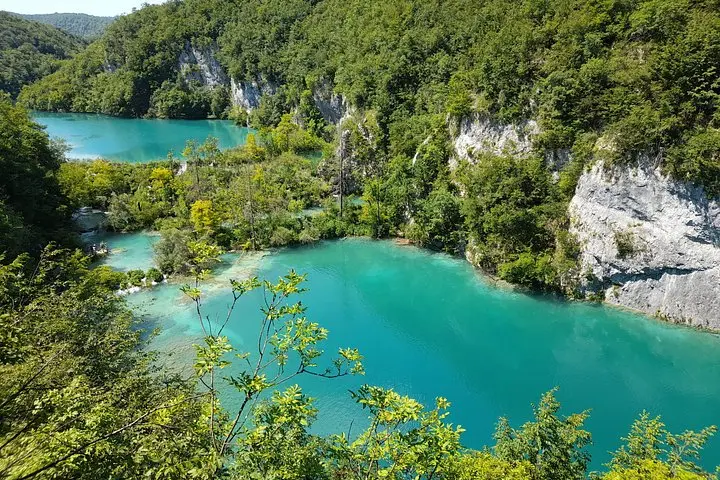
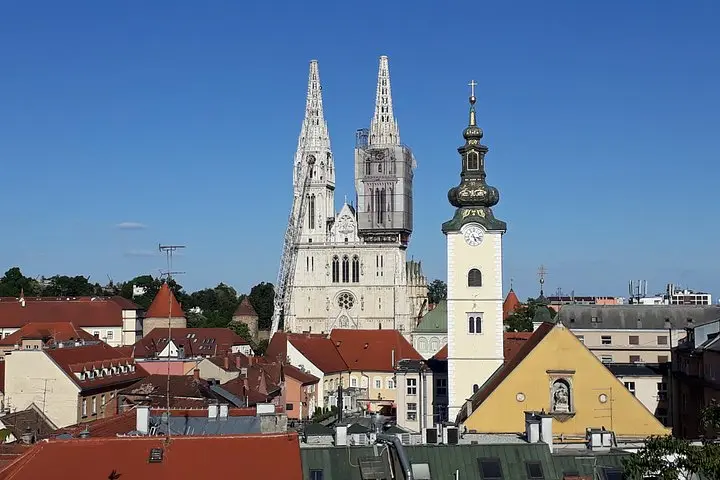
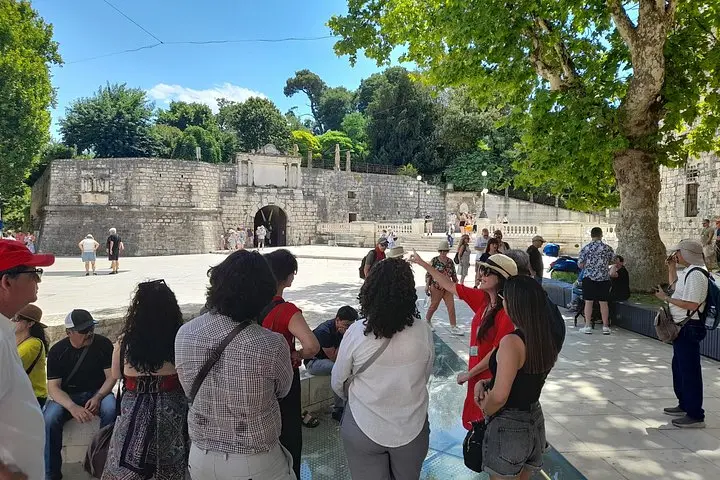
You meet your driver in a Zagreb hotel lobby and the city peels away behind you—rolling karst, pine-rimmed valleys and the slow climb toward the high lakes. The road to Plitvice Lakes National Park feels like an approach, and then the cascade network appears: turquoise pools stepping down through terraces of travertine, water finding new routes every season.
You meet your driver in a Zagreb hotel lobby and the city peels away behind you—rolling karst, pine-rimmed valleys and the slow climb toward the high lakes. The road to Plitvice Lakes National Park feels like an approach, and then the cascade network appears: turquoise pools stepping down through terraces of travertine, water finding new routes every season.
Plitvice was set aside as a national park in 1949 and joined UNESCO’s World Heritage list in 1979. Its landscape is defined by limestone and tufa buildup; the chemistry of calcium-rich springs and microbial mats builds dams that redirect streams and form the park’s famous cascades. The Lika region has a working rural culture—sheep pens, beech forests and roadside stands selling smoked cheese—reminders that this is living countryside, not a postcard.
For a typical private transfer, expect roughly two hours from Zagreb to Plitvice, a 2–3 hour self-guided visit following wooden boardwalks and marked loops, then another drive of about two hours to Zadar. Routes vary: some loops are gentle and flat, others include stairs and packed gravel. Buy park tickets online for faster entry in high season; plan morning or late-afternoon visits to avoid peak crowds.
Practical: wear grippy shoes, bring a waterproof layer, and a refillable bottle—fountains are available. The visit is accessible to most fitness levels, but some viewpoints require short steep steps. Your driver will handle luggage and timing; use the visit to stretch legs, photograph falls from viewpoints, and sample Lika snacks before continuing to the Adriatic coast.