THE ADVENTURE COLLECTIVE® · Independent discovery and booking for outdoor travel

A focused three-hour game drive through Zambezi National Park puts you at the river’s edge for Big Five sightings and rich birdlife. Small groups and local guides maximize viewing while adhering to park rules for a safe, responsible safari.
A focused three-hour game drive through Zambezi National Park puts you at the river’s edge for Big Five sightings and rich birdlife. Small groups and local guides maximize viewing while adhering to park rules for a safe, responsible safari.
The Land Cruiser bumps onto a sandy track and the Zambezi River appears through fever tree stands, its surface catching sun like a moving mirror. Early morning drives feel deliberate: dust settles behind the vehicle, hornbills call from the riverine canopy, and pools along the floodplain catch elephant trunks and hippo backs in quiet tableaux.
Verified experiences and guided adventures in the surrounding area.
Operated by Amulonga Travel and Tours · Victoria Falls, Matabeleland North
The Land Cruiser bumps onto a sandy track and the Zambezi River appears through fever tree stands, its surface catching sun like a moving mirror. Early morning drives feel deliberate: dust settles behind the vehicle, hornbills call from the riverine canopy, and pools along the floodplain catch elephant trunks and hippo backs in quiet tableaux.
The park forms a protective belt along the southern shore of the Zambezi River, an area historically used by local Tonga and Lozi communities and later set aside to shield riparian habitat and wildlife near the Falls. Geologically the landscape is a low-lying riverplain carved by seasonal floods; gravel islands and oxbow wetlands appear and vanish with the river’s mood, shaping where animals concentrate.
Culturally, guides draw on local tracking knowledge — reading spoor, dung, and waterhole patterns — to put sightings within context. Expect to see broad savanna, riverine thickets, and open waterholes that attract the Big Five and prolific birdlife.
Practically, the 3-hour small-group drive moves at wildlife pace: slow where predators hunt, steady where grazers cross. Wear neutral layers for early chill and midday heat, bring binoculars and a telephoto lens for respectful distance photography, and carry water; bottled water is typically provided. Guides follow park rules — no getting out of vehicles except designated stops — both to protect guests and animals. Timing matters: dawn and dusk drives give the best light and highest activity; the dry season concentrates game at waterholes for easier viewing. For a short, focused safari just outside Victoria Falls, this ride balances accessibility with serious wildlife chances.
Sightings aren’t guaranteed, but Zambezi National Park concentrations around waterholes during the dry season increase chances; small groups and experienced guides improve outcomes.
This operation is family-friendly and advertises wheelchair accessibility for vehicles and transport; confirm specific needs at booking so guides can prepare.
Guides maintain safe distances and guests must remain in vehicles except at authorized stops — bring optics instead of attempting to approach wildlife.
The dry season (May–October) is best for concentrated game at waterholes; early mornings and late afternoons year-round offer the most activity.
Amulonga Travel and Tours operates guided outdoor trips and adventures with an emphasis on safety, stewardship, and memorable experiences.
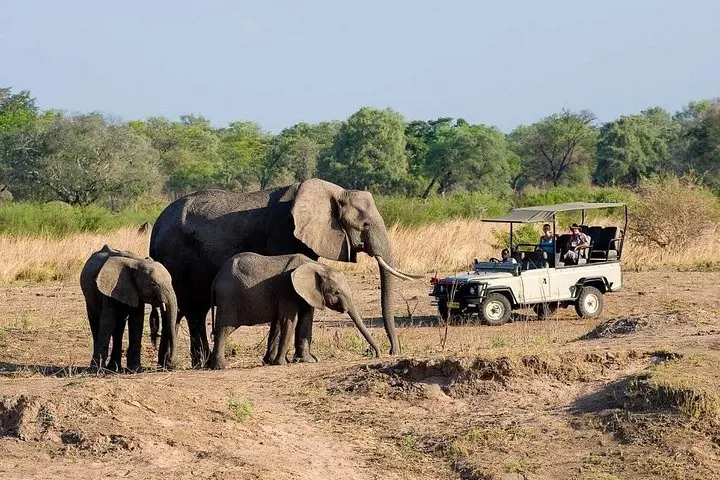
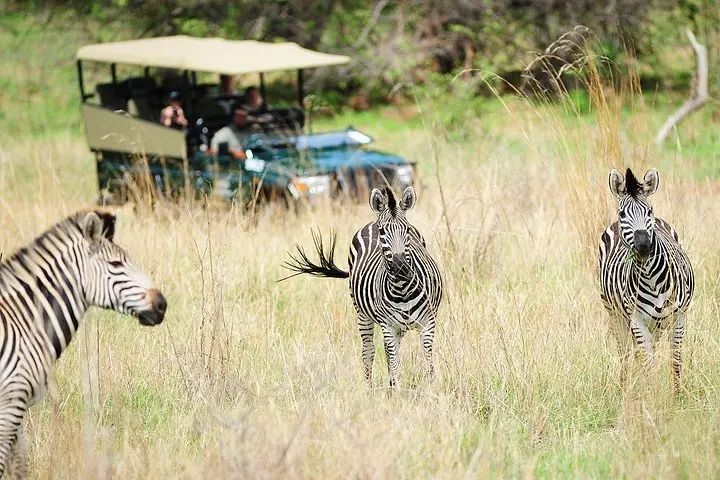
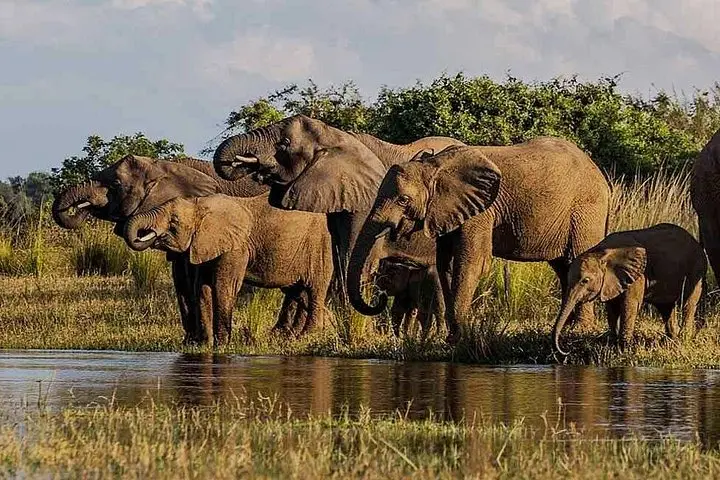
The Land Cruiser bumps onto a sandy track and the Zambezi River appears through fever tree stands, its surface catching sun like a moving mirror. Early morning drives feel deliberate: dust settles behind the vehicle, hornbills call from the riverine canopy, and pools along the floodplain catch elephant trunks and hippo backs in quiet tableaux.
The Land Cruiser bumps onto a sandy track and the Zambezi River appears through fever tree stands, its surface catching sun like a moving mirror. Early morning drives feel deliberate: dust settles behind the vehicle, hornbills call from the riverine canopy, and pools along the floodplain catch elephant trunks and hippo backs in quiet tableaux.
The park forms a protective belt along the southern shore of the Zambezi River, an area historically used by local Tonga and Lozi communities and later set aside to shield riparian habitat and wildlife near the Falls. Geologically the landscape is a low-lying riverplain carved by seasonal floods; gravel islands and oxbow wetlands appear and vanish with the river’s mood, shaping where animals concentrate.
Culturally, guides draw on local tracking knowledge — reading spoor, dung, and waterhole patterns — to put sightings within context. Expect to see broad savanna, riverine thickets, and open waterholes that attract the Big Five and prolific birdlife.
Practically, the 3-hour small-group drive moves at wildlife pace: slow where predators hunt, steady where grazers cross. Wear neutral layers for early chill and midday heat, bring binoculars and a telephoto lens for respectful distance photography, and carry water; bottled water is typically provided. Guides follow park rules — no getting out of vehicles except designated stops — both to protect guests and animals. Timing matters: dawn and dusk drives give the best light and highest activity; the dry season concentrates game at waterholes for easier viewing. For a short, focused safari just outside Victoria Falls, this ride balances accessibility with serious wildlife chances.