THE ADVENTURE COLLECTIVE® · Independent discovery and booking for outdoor travel

Float the Zambezi at dawn or dusk and watch river specialists—Pel’s fishing owl, African finfoot and collared kingfisher—perform along reed-lined banks. This three-hour cruise blends calm water travel with optional short trails into Zambezi National Park.
Float the Zambezi at dawn or dusk and watch river specialists—Pel’s fishing owl, African finfoot and collared kingfisher—perform along reed-lined banks. This three-hour cruise blends calm water travel with optional short trails into Zambezi National Park.
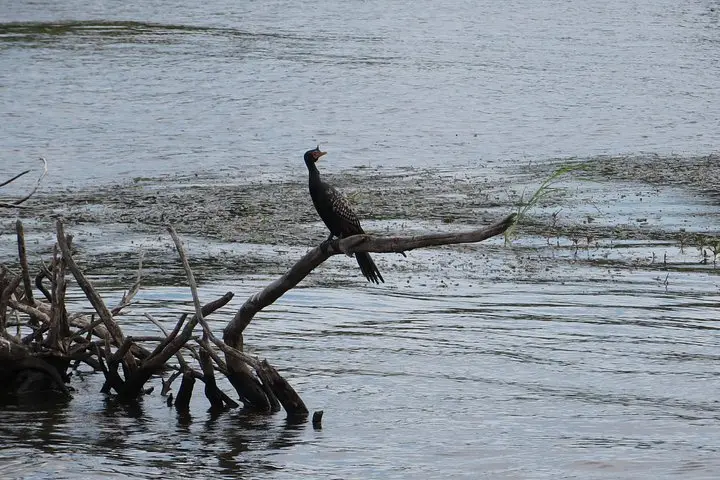
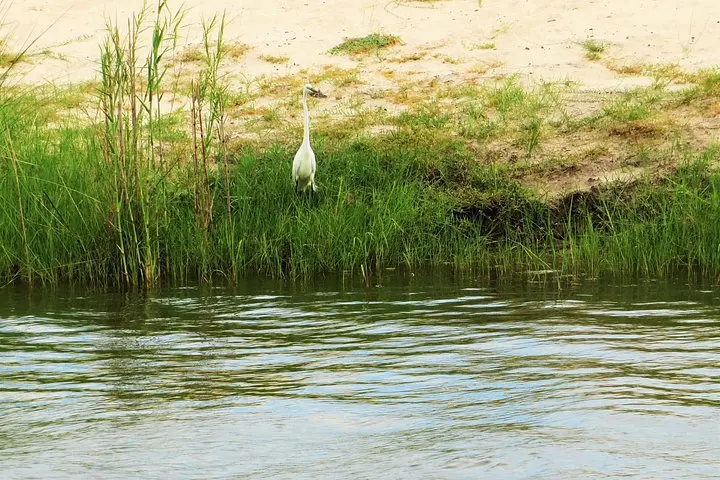
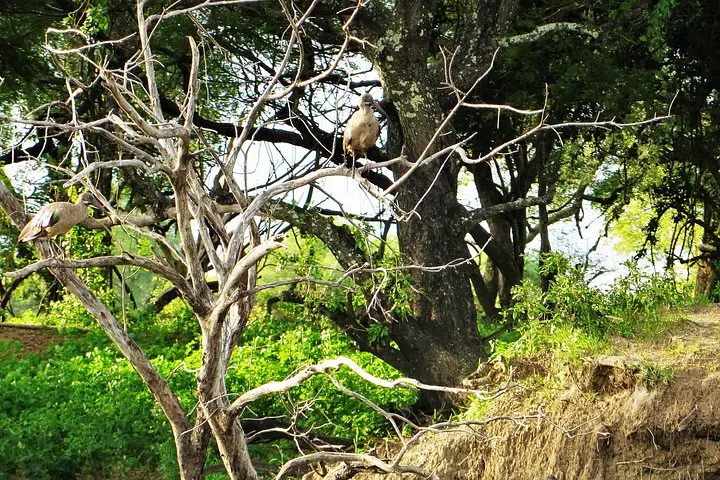
The Zambezi wakes before you do—long ripples catch first light as kingfishers flash and the river dares you to lean closer. A three-hour birdwatching cruise on the Zambezi puts you at water level where reed beds, islands and sandstone banks stage constant motion: African finfoot skirting fallen logs, Pel’s fishing owl perched like a patient judge, and collared kingfishers zipping between branches.
Verified experiences and guided adventures in the surrounding area.
Operated by Kempas Guide · Victoria Falls, Matabeleland North
The Zambezi wakes before you do—long ripples catch first light as kingfishers flash and the river dares you to lean closer. A three-hour birdwatching cruise on the Zambezi puts you at water level where reed beds, islands and sandstone banks stage constant motion: African finfoot skirting fallen logs, Pel’s fishing owl perched like a patient judge, and collared kingfishers zipping between branches.
This stretch of river threads through landscapes shaped by the East African Rift and seasonal floods; local communities and colonial-era hunting concessions shaped the modern conservation mosaic. Birding here mixes riverine specialists with woodland and savanna species, and local guides read wind and current like living maps—skills honed from generations on the Zambezi.
Expect slow, deliberate cruising at sunrise or sunset, frequent stops for binocular scanning, and optional short walking trails into Zambezi National Park for species that avoid the boat. The operator commonly provides bottled water, local beers and light snacks, and pickups in an air-conditioned vehicle; the trip is wheelchair accessible and described as suitable for all fitness levels.
Practical guide: plan for low light at dawn and dusk—bring a tripod or image-stabilized lens, dress in muted layers, and use soft tones to avoid startling birds. Morning trips are cooler and often more active; evenings can produce dramatic backlight for silhouette shots. Respect nesting areas, keep noise low, and follow guide instructions for distances from sensitive species. With a sharp pair of bins and patience, the Zambezi delivers rare river specialists and the steady thrill of wildlife unfolding along the water’s edge.
The standard excursion lasts about three hours, typically offered at sunrise or sunset.
Yes—operators commonly provide bottled water, local beers and light snacks during the trip.
The tour is described as suitable for all fitness levels and wheelchair accessible; confirm specific transfer and boarding assistance when booking.
Look for Pel’s fishing owl, African finfoot, collared kingfisher and a range of riverine and woodland birds; season and water level affect sightings.
Kempas Guide operates guided outdoor trips and adventures with an emphasis on safety, stewardship, and memorable experiences.
The Zambezi wakes before you do—long ripples catch first light as kingfishers flash and the river dares you to lean closer. A three-hour birdwatching cruise on the Zambezi puts you at water level where reed beds, islands and sandstone banks stage constant motion: African finfoot skirting fallen logs, Pel’s fishing owl perched like a patient judge, and collared kingfishers zipping between branches.
The Zambezi wakes before you do—long ripples catch first light as kingfishers flash and the river dares you to lean closer. A three-hour birdwatching cruise on the Zambezi puts you at water level where reed beds, islands and sandstone banks stage constant motion: African finfoot skirting fallen logs, Pel’s fishing owl perched like a patient judge, and collared kingfishers zipping between branches.
This stretch of river threads through landscapes shaped by the East African Rift and seasonal floods; local communities and colonial-era hunting concessions shaped the modern conservation mosaic. Birding here mixes riverine specialists with woodland and savanna species, and local guides read wind and current like living maps—skills honed from generations on the Zambezi.
Expect slow, deliberate cruising at sunrise or sunset, frequent stops for binocular scanning, and optional short walking trails into Zambezi National Park for species that avoid the boat. The operator commonly provides bottled water, local beers and light snacks, and pickups in an air-conditioned vehicle; the trip is wheelchair accessible and described as suitable for all fitness levels.
Practical guide: plan for low light at dawn and dusk—bring a tripod or image-stabilized lens, dress in muted layers, and use soft tones to avoid startling birds. Morning trips are cooler and often more active; evenings can produce dramatic backlight for silhouette shots. Respect nesting areas, keep noise low, and follow guide instructions for distances from sensitive species. With a sharp pair of bins and patience, the Zambezi delivers rare river specialists and the steady thrill of wildlife unfolding along the water’s edge.